


Israel Says More Time Needed to Complete Military Operations Against Iran
Ongoing Military Campaign Requires Extended Timeline
A senior Israeli security official has indicated that the Israel Defense Forces require several additional weeks to completely dismantle Iranian military infrastructure, particularly focusing on missile-launching capabilities. Speaking anonymously to ABC News due to authorization restrictions, the official provided insights into the complex military and diplomatic situation unfolding in the Middle East. This assessment comes as President Donald Trump has delayed planned strikes on Iranian power facilities, citing ongoing diplomatic negotiations that he claims are progressing positively. The Israeli official’s comments suggest a measured approach to military operations that cannot be rushed, emphasizing the intricate nature of degrading a sophisticated military apparatus like Iran’s. The timeline mentioned indicates that despite significant progress already made in military operations, substantial work remains to achieve the stated objectives of neutralizing Iran’s offensive capabilities.
The Israeli security official expressed skepticism about reaching a comprehensive agreement with Iran within Trump’s initially proposed weekend deadline, which has since been extended to April 6. Describing Iranian negotiators as “very well-trained,” the official suggested that Tehran would not capitulate to all demands within just a few days of talks. This assessment reflects Israel’s concern that diplomatic pressure alone may not be sufficient to extract meaningful concessions from Iran without continued military pressure. The official’s comments reveal an underlying tension between the pace of military operations and the timeline of diplomatic negotiations, with Israel apparently favoring a more extended campaign to ensure complete degradation of Iranian military capabilities before any final agreement is reached.
Israeli Concerns About Potential U.S.-Iran Agreement
The senior Israeli security official voiced significant apprehension that negotiations between the United States and Iran might result in an agreement that fails to secure adequate concessions from Tehran. If given the opportunity to advise American negotiators, the official stated he would insist on “actions that can be measured,” citing specifically the surrender of all 400 kilograms of enriched uranium currently in Iranian possession. This concrete demand reflects Israel’s primary security concern regarding Iran’s nuclear program and its proximity to weapons-grade enrichment capabilities. Iran has consistently denied accusations from both the United States and Israel that it has been enriching uranium to near weapons-grade levels with the ultimate goal of producing nuclear weapons, maintaining that its nuclear program serves purely civilian purposes.
The Israeli perspective reveals a fundamental concern about the substance of any potential deal. While President Trump has characterized conversations with Iran as “very good and productive” regarding a “complete and total resolution” of Middle East hostilities, Israeli officials appear worried that diplomatic expediency might override security imperatives. Iranian officials have publicly denied that negotiations are even taking place, with Foreign Ministry spokesman Esmaeil Baqaei telling Indian television that there were “no talks or negotiations” between Iran and the United States, adding that “no one can trust U.S. diplomacy.” However, a Reuters report subsequently quoted an Iranian official describing a U.S. proposal as “one-sided and unfair,” confirming that some form of communication is indeed occurring, despite public denials from Tehran.
Military Progress and Outstanding Objectives
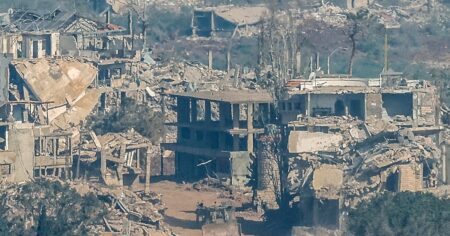
Israeli military operations have been extensive and systematic since the conflict’s escalation. An authorized Israeli military official revealed during a Wednesday briefing that the Israeli Air Force has conducted approximately 8,500 strikes within Iran since late February, destroying around 400 Iranian ballistic missiles and 335 missile-launchers. According to Israeli assessments, this represents roughly 70 percent of Iran’s overall arsenal of missile-launchers, a significant degradation of Iranian offensive capabilities. However, when pressed by reporters about the extent of outstanding military operations and goals, the official declined to provide specific details, emphasizing instead the close coordination between U.S. and Israeli military forces, describing them as working “shoulder-to-shoulder” throughout the campaign.
The military official stressed that warfare is not a single decisive action but rather “an ongoing machine,” suggesting that complete achievement of military objectives requires sustained operations over time. This perspective aligns with the assessment that several more weeks are needed to fully accomplish the mission. The White House has stated that the U.S. military has been “decimating Iran’s military capabilities with overwhelming firepower, skill, lethality, and force,” claiming to be “winning very decisively and way ahead of schedule.” According to White House officials, the United States has “taken major strides towards completing our military objectives, to the point that we are close to completing them.” These optimistic assessments from Washington contrast somewhat with the Israeli position that significant work remains, possibly reflecting different benchmarks for success or different intelligence assessments of remaining Iranian capabilities.
Diplomatic Maneuvering and Key Negotiators
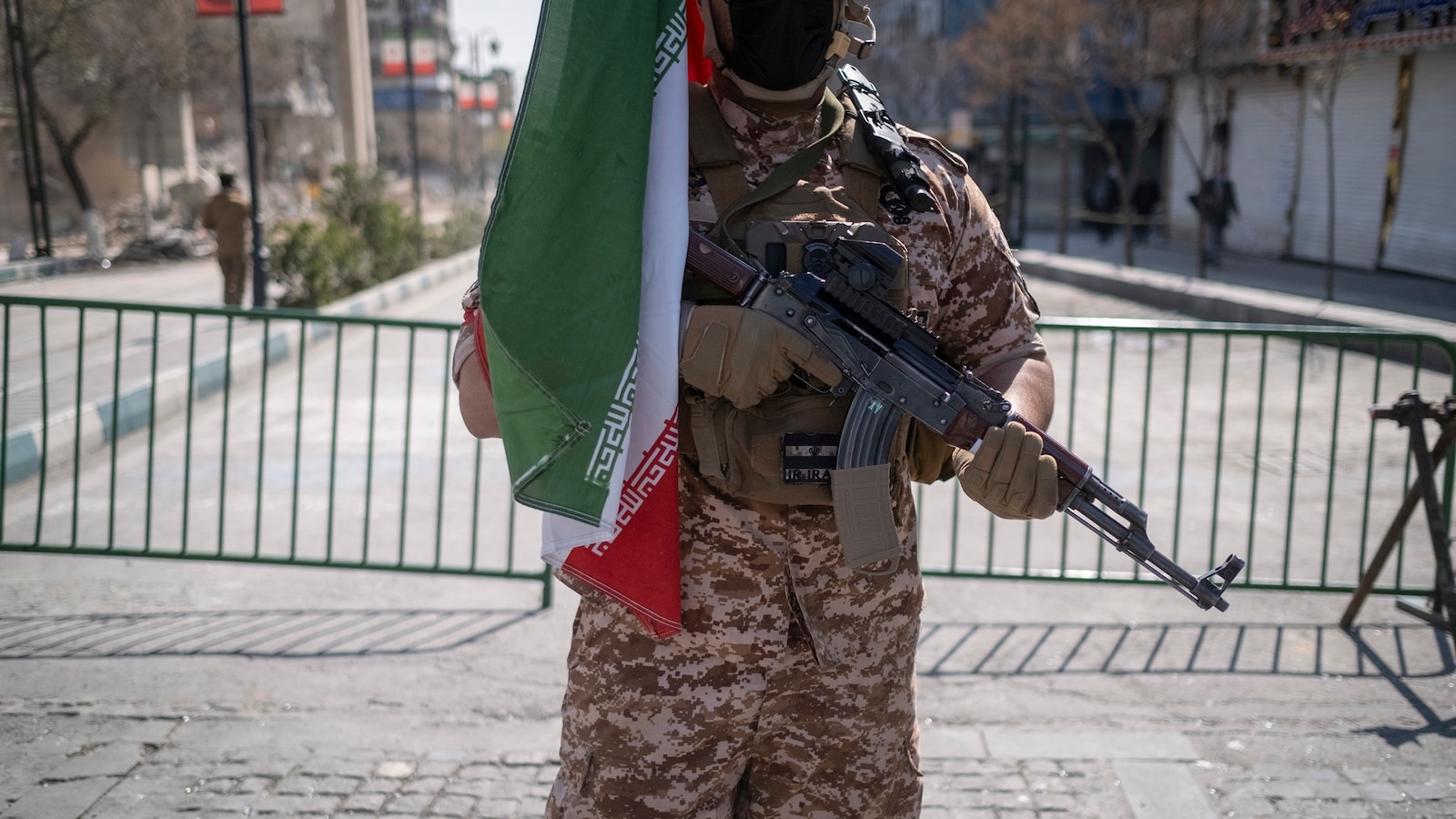
The senior Israeli security official identified Mohammad-Bagher Ghalibaf, the speaker of Iran’s Parliament and a former commander of the Islamic Revolutionary Guard’s Air Force, as apparently leading negotiations with the Trump administration. This detail, which has not been officially confirmed by either the United States or Iran, was initially reported by Axios and suggests that Iran has designated a senior figure with both political authority and military experience to handle these sensitive talks. President Trump himself refused to confirm the identity of Iran’s lead negotiator when questioned by reporters, stating he didn’t want the individual to be killed, referring only to “a top person.” This unusual comment highlights the lethal nature of the conflict and the potential targeting of senior Iranian officials.
The Israeli security official characterized Ghalibaf as “an extremist” and “not Mother Teresa,” but confirmed that Israel would refrain from attempting to assassinate him while negotiations continue. “He has this kind of insurance [policy] as long as he talks,” the official explained, while adding ominously that “no one is secure in Iran.” This temporary immunity arrangement demonstrates the pragmatic calculations underlying the conflict, where diplomatic utility can provide protection even to figures who might otherwise be considered legitimate military targets. Earlier in the week, the Trump administration sent a 15-point plan to Iran via Pakistan, which has emerged as a crucial mediator in the conflict. According to two sources familiar with the proposal, the plan addresses Iran’s ballistic missile and nuclear programs as well as maritime routes, though neither the full details nor which Iranian officials received it have been disclosed. It remains unclear whether Israel has endorsed this proposal or if Israeli and American positions are fully aligned on acceptable terms for ending the conflict.
Strategic Concerns About the Strait of Hormuz
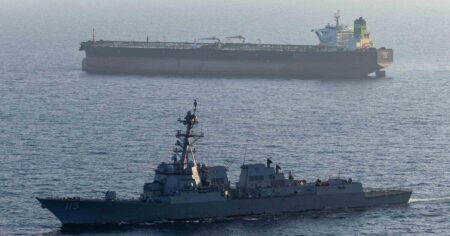
A critical dimension of the conflict centers on Iran’s control over the Strait of Hormuz, the narrow waterway through which approximately one-fifth of the world’s oil and gas normally passes. Iran’s effective stranglehold over this vital corridor has caused significant spikes in energy prices and created volatility in global financial markets, demonstrating Tehran’s capacity to inflict economic pain far beyond the immediate theater of military operations. The senior Israeli security official told ABC News that Israel operates under the assumption that Iran has laid naval mines throughout the Strait of Hormuz, a development that would significantly complicate efforts to reopen the waterway and restore normal commercial shipping.
The Israeli official emphasized that locating and disarming naval mines represents a “complicated” technical challenge requiring specialized capabilities. “If one big oil tanker were exploded by a few naval mines, it would play havoc with markets, as well as the insurance for shipping companies, and would send the price of oil skyrocketing,” the official warned. This scenario illustrates Iran’s asymmetric capabilities—while its conventional military forces have suffered significant degradation through allied air strikes, relatively simple and inexpensive weapons like naval mines can exert outsized strategic influence. The Israeli military official who briefed reporters echoed this concern, stating that “if Iran says they have mined the Strait of Hormuz then the basic assumption we must have as commanders is that they have mined the Strait of Hormuz,” reflecting the conservative planning necessary in military operations where assumptions of enemy capabilities can mean the difference between success and catastrophic failure.
Military Deployments and Future Negotiations
As diplomatic efforts continue alongside military operations, the Pentagon is preparing to deploy as many as 5,000 additional troops to the Middle East, with some forces already in transit. These reinforcements include a combination of U.S. Army paratroopers and Marines, specifically two Marine Expeditionary Units, though the exact timing of their arrival and deployment locations remain undisclosed for operational security reasons. This significant troop deployment suggests that American military planners are preparing for various contingencies, including potential ground operations, evacuation scenarios, or security missions related to reopening maritime routes.
Regarding negotiations, the senior Israeli security official stressed that Israel wants the United States to press Iran to surrender what remains of its enriched uranium stockpile and to rein in its regional proxy forces. However, the official acknowledged that seizing Iran’s enriched uranium through military force may not be feasible, suggesting that the two Marine Expeditionary Units being deployed to the region “don’t have the engineering tools” necessary to conduct an operation to extract Iran’s remaining enriched uranium from underground facilities. This assessment highlights the limitations of military solutions to certain aspects of the Iranian threat, underscoring why Israeli officials are so concerned about the terms of any diplomatic agreement. The Pentagon declined to comment on the Israeli official’s assessment of remaining military objectives or U.S. military capabilities, while the White House characterized the operation as “conditions-based,” stating it would conclude when the president “determines that our objectives are met,” leaving considerable ambiguity about the ultimate timeline and benchmarks for success in this complex and evolving conflict.