


Indonesia Prepares Major Troop Deployment to Gaza in Historic Peace Mission
A Groundbreaking Commitment to Middle East Stability
In a significant development that could reshape international involvement in the Gaza crisis, Indonesia has announced plans to deploy up to 8,000 military personnel to the embattled Palestinian territory by the end of June. This announcement, made on Sunday by Indonesian military officials, represents the first concrete commitment to President Donald Trump’s postwar reconstruction initiative known as the Board of Peace. The Indonesian National Armed Forces, locally known as TNI, has been working diligently behind the scenes to prepare what they’re calling a “composite brigade” that would participate in humanitarian and peacekeeping operations in one of the world’s most volatile regions. This move is particularly noteworthy because Indonesia, as the world’s largest Muslim-majority nation, has historically maintained a firm stance supporting Palestinian rights while refusing to establish diplomatic relations with Israel. The deployment would mark a new chapter in Indonesia’s international peacekeeping efforts and could potentially influence how other nations engage with the ongoing Gaza situation.
Military Readiness and Deployment Timeline
Brigadier General Donny Pramono, the spokesperson for Indonesia’s army, provided detailed information about the military’s preparation efforts during an interview with The Associated Press. According to Pramono, the armed forces have already finalized their proposed troop structure and established a comprehensive timeline for potential deployment to Gaza. “In principle, we are ready to be assigned anywhere,” Pramono stated confidently, emphasizing that Indonesian troops are “fully prepared and can be dispatched at short notice once the government gives formal approval.” The military’s planning has been thorough and methodical. Following a crucial meeting held on February 12th, military leaders decided on the composition and size of the force that would be sent to Gaza. The preparation schedule is ambitious but achievable: throughout February, the selected troops will undergo comprehensive health screenings and complete all necessary paperwork and administrative requirements. By the end of February, military commanders will conduct a complete force readiness review to ensure all personnel meet the standards required for such a sensitive international mission. The phased deployment plan calls for approximately 1,000 personnel to be ready by April to serve as an advance team, with the remaining troops prepared to follow by June, bringing the total deployment to the planned 8,000 personnel.
The Humanitarian Focus of Indonesia’s Mission
Indonesia has been careful to frame its potential involvement in Gaza strictly through a humanitarian lens, a position that the country’s Foreign Ministry has repeatedly emphasized in public statements. Unlike traditional military deployments that might involve combat operations or security enforcement, Indonesia’s contribution would be specifically focused on civilian protection, medical services, and reconstruction efforts. Military officials have made it abundantly clear that Indonesian troops would not participate in any combat operations or engage in actions that could lead to direct confrontation with armed groups operating in the region. This humanitarian approach reflects Indonesia’s broader foreign policy principles and its commitment to peaceful conflict resolution. The Southeast Asian nation has already demonstrated its commitment to supporting Gaza’s population through various initiatives, including funding a hospital in the territory and providing substantial humanitarian aid over the years. By limiting their role to humanitarian and reconstruction work, Indonesian officials hope to navigate the complex political landscape of the Israeli-Palestinian conflict while still making a meaningful contribution to alleviating the suffering of Gaza’s civilian population, who have endured years of devastating conflict and deprivation.
Political Considerations and Decision-Making Process
Despite the military’s advanced state of readiness, Brigadier General Pramono was careful to clarify that being prepared doesn’t automatically mean troops will depart for Gaza in the immediate future. The actual deployment still requires a formal political decision from Indonesia’s government, and the timing will depend heavily on international mechanisms and coordination with other nations and organizations involved in the Board of Peace initiative. This distinction between military readiness and political approval highlights the complex nature of international peacekeeping operations, especially in a region as politically sensitive as Gaza. Indonesian officials must carefully weigh numerous factors before making a final commitment, including the security situation on the ground, the cooperation of all parties involved in the conflict, and the framework within which their troops would operate. The government also needs to consider domestic political implications, as any involvement in the Israeli-Palestinian conflict carries significant weight with Indonesia’s predominantly Muslim population, who have historically been very supportive of Palestinian rights and critical of Israeli policies in the occupied territories.
Indonesia’s Strategic Rationale and International Position
Indonesian officials have articulated a clear strategic rationale for their country’s potential participation in the Board of Peace initiative. They argue that Indonesia’s involvement is necessary to defend Palestinian interests from within the framework of Trump’s peace plan, particularly given that Israel has representation on the board while there is no direct Palestinian participation. This reasoning reflects Indonesia’s long-standing commitment to a two-state solution and its desire to ensure that Palestinian voices and interests are not completely absent from international discussions about Gaza’s future. Indonesia’s position as the world’s most populous Muslim-majority nation gives it unique credibility in speaking for Islamic concerns regarding Palestinian welfare, while its status as a moderate, democratic nation allows it to engage with Western-led initiatives in ways that some other Muslim-majority countries might find difficult. The country’s refusal to establish formal diplomatic relations with Israel demonstrates its principled support for Palestinian statehood, yet its willingness to participate in this mission shows pragmatic recognition that engagement, rather than isolation, may better serve Palestinian interests in the long run.
Indonesia’s Peacekeeping Experience and Future Implications
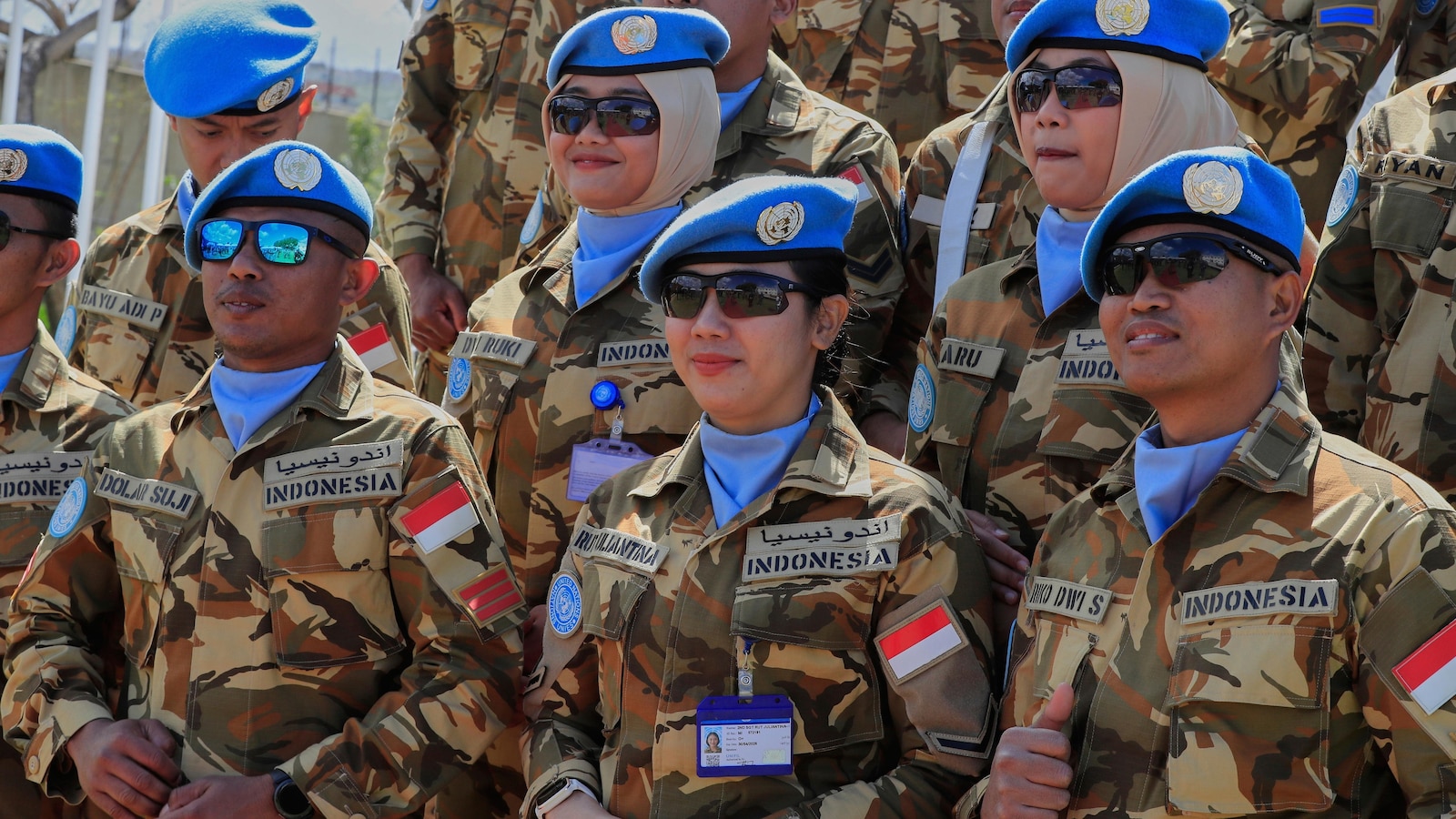
Indonesia brings substantial experience to this potential Gaza mission, having established itself as one of the top ten contributors to United Nations peacekeeping operations worldwide. Indonesian peacekeepers have served with distinction in various conflict zones, including Lebanon, where they’ve gained valuable experience operating in Middle Eastern contexts and working in proximity to Israeli territory. This track record of professional peacekeeping gives Indonesia credibility as it prepares for what would undoubtedly be one of its most challenging and politically sensitive deployments to date. The fragile ceasefire between Israel and Hamas that has held since October 11th, following two years of devastating conflict, provides a window of opportunity for international engagement, though the situation remains precarious and could deteriorate at any moment. If Indonesia does ultimately deploy troops to Gaza, it could encourage other nations to contribute to the security mission, potentially creating a more robust international presence that could help stabilize the situation and protect civilians while reconstruction efforts proceed. The success or failure of this mission could have far-reaching implications not only for Gaza’s future but also for how the international community approaches conflict resolution and peacekeeping in deeply contested territories where traditional diplomatic solutions have repeatedly failed.