


Escalating Tensions: Iran Strikes Tel Aviv as Diplomatic Efforts Remain Uncertain
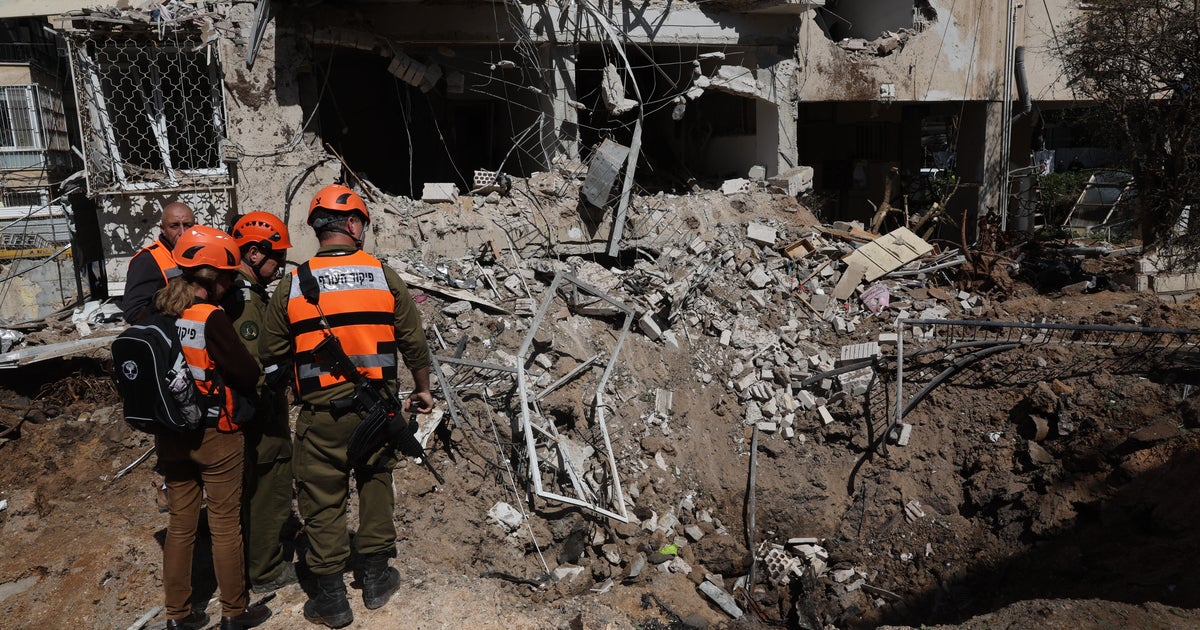
The fragile balance of Middle Eastern peace shattered once again as an Iranian missile pierced through Israeli defenses and struck the heart of Tel Aviv on Tuesday morning. The weapon, carrying a devastating 220-pound warhead, crashed into a residential street in Israel’s bustling commercial capital, sending shockwaves through apartment buildings and filling the air with thick smoke and debris. Windows exploded from their frames, and the familiar sounds of daily life were replaced by sirens and screams. Yoel Moshe, a rescue service worker who arrived at the scene within minutes of impact, described a landscape transformed by violence: “We saw destruction, smoke, and chaos.” Miraculously, only four people suffered minor injuries in the attack, a testament to Israel’s civil defense preparations but also a stark reminder of the vulnerability of civilian populations caught in this escalating conflict. This strike on Tel Aviv wasn’t an isolated incident but part of a coordinated assault by Iran that targeted multiple locations across Israel and extended its reach to Gulf Arab states, marking a dangerous new chapter in regional hostilities.
Widening Circle of Conflict: Gulf States Under Fire
The violence didn’t stop at Israel’s borders. Iran’s aggressive military campaign rippled across the Persian Gulf region, drawing several Arab nations into the crossfire and threatening the stability of some of the world’s most strategically important territories. In Kuwait, the indirect effects of the conflict became immediately apparent when air defense operations led to shrapnel damaging critical power infrastructure, plunging portions of the country into darkness for several hours and disrupting the daily lives of thousands of residents. The sound of missile alert sirens pierced the air in Bahrain, sending residents scrambling for shelter and reminding the tiny island nation of its precarious position in a volatile neighborhood. Perhaps most significantly, Saudi Arabia’s Defense Ministry reported successfully intercepting and destroying nineteen Iranian drones that were specifically targeting the kingdom’s Eastern Province—home to the vast majority of Saudi Arabia’s oil production facilities. This attempted strike on Saudi energy infrastructure represents a potentially catastrophic escalation, as any successful attack on these facilities could send global oil markets into chaos and trigger an international crisis far beyond the immediate region. The geographic spread of these attacks demonstrates Iran’s military reach and its willingness to expand the battlefield beyond its direct confrontation with Israel.
Diplomatic Confusion: Mixed Messages from Washington and Tehran
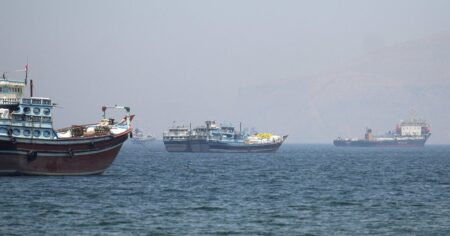
Adding to the uncertainty and tension, conflicting statements from world leaders have created a fog of diplomatic confusion that threatens to undermine potential paths to peace. President Trump announced on Monday that the United States was actively engaged in negotiations with Iranian officials to end the escalating conflict, and as a gesture of good faith, he extended his deadline for Iran to reopen the strategically vital Strait of Hormuz to international shipping traffic by five days. The President had previously threatened to authorize American military strikes on Iranian power plants if the shipping lane remained closed, making this extension appear to be a significant de-escalation step. However, Iranian officials swiftly and categorically denied Trump’s claims, dismissing them as “fake news” designed to manipulate financial and oil markets rather than reflect genuine diplomatic progress. This public contradiction raises troubling questions about whether meaningful negotiations are actually taking place or if the two sides are so far apart that they can’t even agree on whether they’re talking to each other. For ordinary citizens in the region watching missiles fall from the sky, these mixed diplomatic signals offer little comfort and even less clarity about when this dangerous cycle of violence might end.
Israel’s Uncompromising Stance: Vows to Continue Military Operations
Despite the talk of potential negotiations and diplomatic extensions, Israel’s leadership has made its position unmistakably clear: military operations will continue regardless of whatever discussions might be happening behind closed doors. Israeli officials have explicitly stated their intention to keep striking both Iranian targets and positions held by Hezbollah in Lebanon, emphasizing their determination to “protect our vital interests, in any case.” This uncompromising stance was demonstrated in practice when Israeli forces once again pounded the southern suburbs of Beirut, areas known to be strongholds of Hezbollah, the Iran-linked militant organization that has long been a thorn in Israel’s side. The Israeli military justified these strikes by claiming they were targeting critical infrastructure used by Hezbollah for military purposes, though the reality on the ground tells a more complicated story. One particular strike on a residential apartment building southeast of the Lebanese capital resulted in the deaths of at least two civilians, according to the Lebanese Health Ministry, highlighting the human cost of these military operations. The continued Israeli military action, even as diplomatic feelers are supposedly being extended, suggests a fundamental disconnect between political rhetoric and military reality, and raises serious questions about whether any genuine peace process can take root while bombs continue to fall.
The Military Reality: Strikes Continue Despite Diplomatic Overtures
While politicians and diplomats speak of deadlines, extensions, and negotiations, the military machinery of the conflict continues to operate with relentless momentum. Both Israeli and United States military commands have confirmed that strikes against Iranian military targets will continue, creating a situation where diplomatic gestures and military escalation proceed on parallel tracks that seem unlikely to converge. This dual approach—talking about talks while simultaneously bombing—represents the complex and often contradictory nature of modern conflict resolution in the Middle East. The strategic calculation appears to be that maintaining military pressure will strengthen negotiating positions rather than undermine diplomatic efforts, but this approach carries enormous risks. Each new strike creates casualties, hardens public opinion, strengthens hardliners on all sides, and makes compromise more politically difficult for any leader considering peaceful resolution. The Iranian missile that struck Tel Aviv and the Israeli strikes on Beirut are not just military actions—they’re also political statements, messages sent not only to adversaries but also to domestic audiences who demand their governments demonstrate strength and resolve. In this environment, where every military action carries multiple layers of political meaning, the path from violence to negotiation becomes extraordinarily narrow and treacherous.
The Human Cost and Uncertain Future: A Region on the Brink
As the international community watches these events unfold with growing alarm, the people of the Middle East find themselves living through yet another chapter of violence and uncertainty that has defined the region for generations. From the residents of Tel Aviv apartment buildings now featuring blown-out windows and shattered glass to the families in Beirut mourning loved ones killed in airstrikes, from Kuwaiti citizens enduring power outages to Saudi operators defending against drone swarms, millions of ordinary people are experiencing the daily terror and disruption of escalating warfare. The emotional and psychological toll extends far beyond the immediate casualties—entire populations are being traumatized, children are growing up knowing only conflict, and the social fabric that holds communities together is being strained to its breaking point. The economic implications are equally staggering, with oil markets nervous about supply disruptions, shipping companies avoiding the Persian Gulf, and regional economies bracing for the impact of sustained conflict. Perhaps most concerning is the trajectory of escalation itself; each round of attacks and counterattacks seems to expand the geographic scope of the conflict and push all parties closer to a point of no return where devastating regional war becomes inevitable rather than merely possible. Whether President Trump’s claimed negotiations are real or illusory, whether Iran will reopen the Strait of Hormuz, whether Israel will pause its military operations, whether any of the parties to this conflict can find an off-ramp before the situation spirals completely out of control—these are the questions that will determine not just the fate of governments and militaries, but the lives and futures of millions of people who simply want to live in peace and security.