


American Public Opinion on the Iran Conflict: A Nation Divided Over Costs and Consequences
Economic Anxieties Take Center Stage as Gas Prices Soar
When Americans evaluate military conflicts, they instinctively weigh two critical factors: the strategic objectives we’re pursuing abroad and the tangible effects rippling through their daily lives at home. The current conflict with Iran has brought both these considerations into sharp focus, creating a complex picture of public sentiment marked by anxiety, uncertainty, and growing economic concerns.
The most immediate pain point for ordinary Americans has been at the gas pump. As fuel prices climb steadily upward, people are making direct connections between military engagement overseas and their household budgets. This isn’t just about the inconvenience of paying more to fill up the tank—it’s fueling broader pessimism about the entire economic outlook. Survey data reveals that most Americans expect the conflict to weaken the economy in the short term, with many concerned about longer-lasting damage as well. Despite administration officials asking for patience and suggesting eventual economic benefits, the public isn’t buying it. Instead, fears of recession are creeping back into the national conversation, while positive assessments of current economic conditions are sliding downward. Perhaps most telling is the sharp increase in the number of people who’ve noticed rising prices across the board, not just for gasoline. When asked whether Americans should be willing to accept higher gas prices as a sacrifice during this conflict, most people firmly say no—suggesting limited appetite for bearing economic burdens for a military engagement they’re increasingly questioning.
A War Without Clear Explanation or Defined Success
The uncomfortable truth emerging from public opinion surveys is that most Americans don’t think the conflict with Iran is going well. This pessimistic assessment comes predominantly from those who opposed the military action from the beginning, but their concerns are spreading. What’s driving this negative perception isn’t just battlefield developments—it’s a profound sense of confusion about what exactly we’re trying to accomplish and why.
A growing majority of Americans feel the Trump administration simply hasn’t explained the conflict adequately. Without clear communication about objectives, strategy, and expected outcomes, people are left guessing about fundamental questions: How long will this last? What does victory look like? How does this make America safer or more prosperous? These unanswered questions create a vacuum filled with doubt and anxiety. When people can’t see clear payoffs—neither in terms of national security nor economic benefits—support naturally erodes. The administration’s failure to articulate a compelling narrative has left many Americans viewing this as a “war of choice” rather than a “war of necessity,” a distinction that matters enormously to public tolerance for sacrifice and patience. Wars of necessity—those fought because we must—rally national unity. Wars of choice—those fought because we decide to—face constant scrutiny and demands for justification that this conflict isn’t receiving.
Conflicting Goals Reveal the Public’s Dilemma
When asked what matters most regarding the Iran conflict, Americans reveal competing priorities that highlight their internal tension. The single most important goal, according to survey respondents, is ending the war as quickly as possible. But that’s far from the only thing people care about. Large majorities also say it’s important to ensure Iranian people are free, to stop Iran’s nuclear program, and—now that we’re engaged—that it would be unacceptable to end the conflict with the current Iranian regime still in power.
These aren’t easily reconciled objectives. Achieving regime change, ensuring freedom for Iranian citizens, and dismantling nuclear capabilities are ambitious, complex goals that typically require sustained commitment, resources, and time. Yet simultaneously, Americans want the whole thing wrapped up quickly. This apparent contradiction actually makes sense when you understand the underlying sentiment: people feel thrust into a conflict they didn’t fully sign up for, pursuing goals they support in principle but without confidence in the execution or the costs involved. It’s the policy equivalent of wanting to have your cake and eat it too—not because Americans are unreasonable, but because they haven’t been convinced that the ambitious goals justify the extended commitment that would be required to achieve them.
This confusion is compounded by uncertainty about the path forward. Fewer people today than when the conflict started believe the administration has clearly explained U.S. goals. Views are roughly split on whether ground troops will ultimately be necessary—a question that provokes anxiety regardless of which side you’re on. Only about a third of Americans think the conflict will actually make the country safer in the long term, a damning assessment of the entire enterprise’s strategic value. Most expect the conflict to drag on for months if not years, with almost a third admitting they simply don’t know. This timeline uncertainty correlates directly with disapproval—the longer people expect the conflict to last, the more they oppose it.
The MAGA Base Stands Firm While Others Waver
Despite these troubling overall numbers, there’s one demographic group that remains solidly behind both the president and the military action: MAGA Republicans. For Trump’s core supporters, confidence in their leader translates directly into support for his decisions, including this conflict. They overwhelmingly approve of how he’s handling the situation, even when they acknowledge it might last a long time.
This unwavering support from the base isn’t particularly surprising—it follows a pattern established over years across all policy areas, military and otherwise. MAGA Republicans consistently demonstrate loyalty to Trump personally, viewing his actions through a lens of trust rather than subjective evaluation of each specific policy. They’re also more likely to describe this as a war of necessity rather than choice, to believe it makes America safer, and to feel Trump is keeping campaign promises regarding Iran. For this group, the president’s overall approval rating and his handling of this specific conflict are essentially the same question.
President Trump’s overall approval rating has remained remarkably stable throughout the conflict, hovering around 40 percent where it’s been for months. He continues drawing strong backing from Republicans generally, though even within his own party, his marks on handling the economy and inflation are relatively lower than his overall numbers. These specific economic concerns haven’t yet translated into abandoning support for the conflict itself among Republicans, but they represent a potential vulnerability if economic conditions worsen.
The Partisan Divide Defines Conflict Support
The data reveals a stark dividing line: those who approve of the Iran military action are overwhelmingly Republicans who have confidence in Trump personally, believe the conflict strengthens America’s position in the world and enhances national safety, and view it as a necessary rather than optional war. On the flip side, those disapproving tend to be Democrats and independents without partisan attachment to the president, who believe the conflict makes America less safe both now and in the future, expect it to last months or years (or aren’t sure how long it will take), and see it as a war of choice that didn’t need to happen.
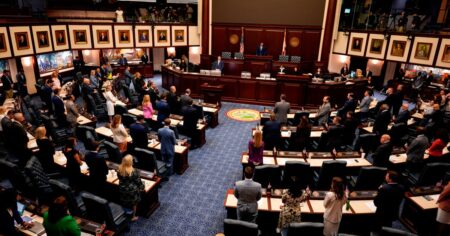
This partisan split means the conflict lacks the broad national consensus that typically characterizes American wars, especially in their early stages. Without that unifying sense of shared purpose and sacrifice, the conflict becomes just another political issue where people’s opinions align with their party identification and feelings about the president rather than an independent assessment of national interest. This makes the conflict politically sustainable only as long as the president’s base remains energized, but vulnerable to rapid collapse in support if circumstances change or if economic pressures intensify enough to crack that foundation.
Looking Ahead: Limited Patience and Growing Concerns
The overall picture emerging from this comprehensive survey of American public opinion is one of a nation reluctantly engaged in a conflict it doesn’t fully understand, increasingly worried about economic consequences, and divided along familiar partisan lines. The administration faces a credibility gap, with most Americans feeling they haven’t received adequate explanation of objectives, strategy, or expected duration. Economic anxiety centered on gas prices is spreading into broader concerns about recession and inflation, with most people unwilling to accept higher costs as acceptable wartime sacrifice.
The conflict retains support from President Trump’s MAGA base, whose confidence in him personally translates into backing for his decisions. But beyond that core group, support is soft and conditional, vulnerable to erosion as economic pressures mount and the conflict potentially drags on longer than hoped. Most Americans want multiple things that may be difficult to achieve simultaneously—a quick end to the conflict along with ambitious regime change and non-proliferation goals. Without clearer communication about how these objectives can be reconciled or which takes priority, public patience seems likely to remain limited. The survey, conducted with over 3,300 adults in March 2026, captures a moment of uncertainty and anxiety, suggesting that unless circumstances improve dramatically or communication becomes more effective, support for the Iran conflict will continue facing headwinds from an American public focused on economic concerns and skeptical about unclear military commitments.