



Security Breach at Britain’s Nuclear Submarine Base: Iranian and Romanian Nationals Detained
Attempted Unauthorized Entry Raises Security Concerns
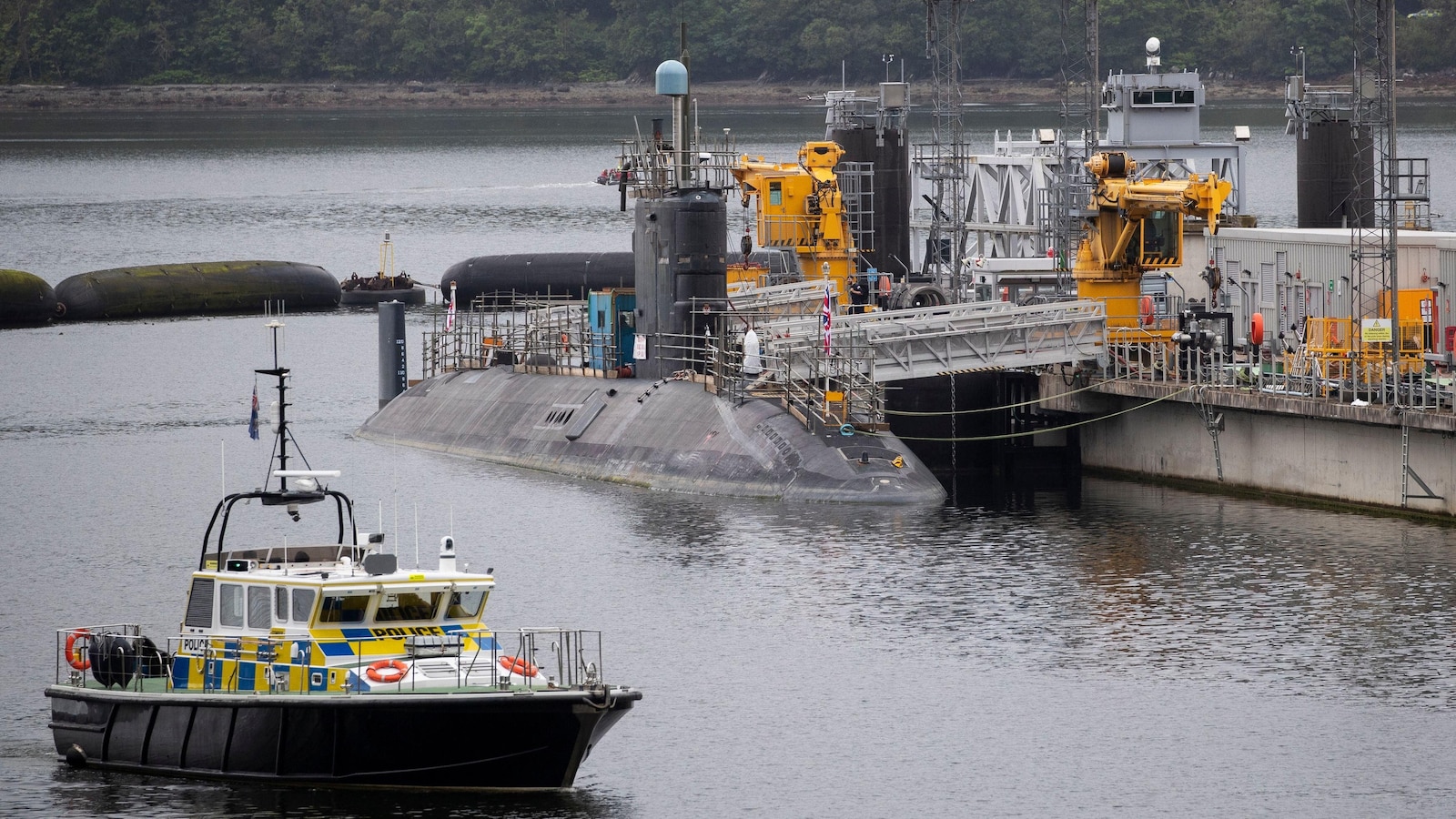
In a concerning incident that has drawn attention to the security protocols surrounding Britain’s most sensitive military installations, authorities in Scotland have apprehended two individuals who allegedly attempted to gain unauthorized access to one of the country’s most strategically important naval facilities. The incident occurred at HM Naval Base Clyde, commonly referred to as Faslane, which serves as the headquarters for Britain’s nuclear submarine fleet. Police Scotland confirmed on Saturday that a 34-year-old Iranian man and a 31-year-old Romanian woman were taken into custody following their attempt to enter the highly secure facility on Thursday. The base, situated approximately 40 miles northwest of Glasgow along the scenic but strategically vital Scottish coastline, represents the heart of the United Kingdom’s nuclear deterrent capability and houses some of the most sophisticated and powerful military assets in the British armed forces arsenal.
The two suspects are scheduled to make their first court appearance at Dumbarton Sheriff Court on Monday, where they will face formal charges related to their attempted entry into the restricted military zone. Following standard Scottish legal procedures, Police Scotland has declined to publicly release the names of the individuals in custody or provide specific details about the exact nature of the charges they will face until after their initial court hearing. This practice aligns with Scottish judicial customs that differ somewhat from those in other parts of the United Kingdom, where suspects’ identities are sometimes released earlier in the legal process. The decision to withhold information until the court appearance helps protect the integrity of the legal proceedings and ensures that the suspects receive fair treatment under Scottish law. As the investigation continues, authorities are likely examining all aspects of the incident, including how the pair reached the vicinity of the base, what their intentions may have been, and whether they acted alone or as part of a larger network.
The Strategic Importance of HM Naval Base Clyde
HM Naval Base Clyde, known locally as Faslane, represents far more than just another military installation—it is the cornerstone of Britain’s national security strategy and its ability to project power on the global stage. The facility serves as home to the core components of the United Kingdom’s submarine fleet, including the vessels that carry the nation’s nuclear weapons, making it one of the most sensitive and heavily guarded locations in the entire country. The base’s importance cannot be overstated, as it houses the submarines that provide Britain with its continuous at-sea nuclear deterrent, a capability that successive British governments have deemed essential to national security since the Cold War era. The presence of nuclear weapons at the site means that security measures are extraordinarily stringent, with multiple layers of protection designed to prevent unauthorized access, espionage, sabotage, or any other potential security threats. The facility operates around the clock with sophisticated surveillance systems, armed security personnel, and protocols that are regularly updated to address evolving threats in an increasingly complex global security environment.
Britain’s Nuclear Deterrent and Its Historical Context
The United Kingdom has maintained its status as a nuclear power since the 1950s, when it first successfully developed and tested nuclear weapons as part of its post-World War II defense strategy. This decision was made during a period of intense geopolitical tension, as the world divided into competing blocs during the Cold War, and British leaders determined that possessing nuclear capabilities was essential to maintaining the nation’s independence and security. Over the decades, Britain’s nuclear arsenal and delivery systems have evolved significantly, with the country continuously updating its technology to maintain credibility and effectiveness. Since the 1990s, following the end of the Cold War and subsequent defense reviews, the United Kingdom’s nuclear deterrent has been consolidated into a submarine-based system, considered the most survivable and reliable form of nuclear deterrence. This deterrent currently consists of four Royal Navy Vanguard-class submarines, each armed with American-made Trident II D5 ballistic missiles, though the warheads themselves are of British design and manufacture. At any given time, at least one of these submarines is at sea on patrol, hidden beneath the world’s oceans, ready to respond if Britain or its allies face a nuclear threat, ensuring that the deterrent remains credible and effective.
Security Implications and Ongoing Investigation
The attempted breach at Faslane raises important questions about security protocols at sensitive military installations and the potential threats they face in the modern era. While attempted unauthorized entries at military bases do occur from time to time—sometimes involving confused civilians, protesters, or individuals with mental health issues—any incident at a facility housing nuclear weapons is treated with the utmost seriousness by authorities. The fact that the individuals involved are foreign nationals, one from Iran and one from Romania, may add additional layers of complexity to the investigation, though it is important to note that nationality alone does not indicate intent or establish any connection to hostile intelligence services. Investigators will be working to establish a comprehensive picture of the suspects’ backgrounds, their reasons for being in Scotland, how they came to be at the base, and what they intended to do if they had gained access. The Ministry of Defence and intelligence services will likely be closely involved in the investigation alongside civilian police, given the sensitive nature of the location and the potential national security implications. Security services will also be examining whether this incident represents an isolated occurrence or part of a pattern that might indicate broader security concerns.
Public Safety and Security Measures
Despite the concerning nature of this incident, it is important to emphasize that at no point was public safety compromised, nor was there any breach of the facility’s inner security perimeters. The suspects were apprehended before gaining access to the base itself, demonstrating that existing security measures functioned as designed to detect and prevent unauthorized entry. Military installations of this nature have multiple redundant security layers specifically designed to ensure that even if one layer is somehow bypassed, additional barriers prevent access to sensitive areas. The outer perimeters of such facilities are continuously monitored through a combination of human patrols, electronic surveillance, and physical barriers designed to detect and deter potential intruders well before they can pose any genuine threat to operations or personnel. The quick response by security personnel in this case suggests that protocols were followed appropriately and that the systems in place are functioning effectively. Nevertheless, every security incident, regardless of how minor it may ultimately prove to be, serves as an opportunity for authorities to review procedures, identify any potential vulnerabilities, and implement improvements if necessary to ensure that Britain’s most sensitive military assets remain secure.
Looking Ahead: Legal Proceedings and Broader Context
As the two suspects prepare for their court appearance on Monday, the legal process will begin to unfold, potentially providing more information about the circumstances surrounding this incident and the specific charges the individuals will face. The Scottish legal system will now take its course, ensuring that the suspects receive due process while also protecting national security interests that may be involved in the case. Depending on the nature of the charges and the evidence presented, the case could remain relatively straightforward or could develop into a more complex legal proceeding with broader implications. Beyond this specific incident, the attempted breach serves as a reminder of the ongoing security challenges faced by nations that maintain sensitive military installations, particularly those involving nuclear weapons. In an era of evolving threats that range from traditional espionage to terrorism, cyber attacks, and drone surveillance, military authorities must constantly adapt their security measures to address new vulnerabilities. The United Kingdom, like other nuclear powers, invests substantial resources in protecting its strategic assets, and incidents like this one, while concerning, also demonstrate that security systems are capable of detecting and responding to potential threats. As more details emerge in the coming days and weeks, this case will likely prompt discussions about security protocols, international security cooperation, and the measures necessary to protect critical national security infrastructure in the 21st century.