


Iran’s Midnight Raids: A Nation Under Siege After Protests
The Night They Came for the Sisters
It was 2 a.m. when the tranquility of the Nakhii family home shattered. A convoy of six vehicles carrying Iranian security agents descended upon their residence with military precision. Inside, two sisters—37-year-old Nyusha and 25-year-old Mona—were jolted from sleep by pounding on the door. The agents forced their way in, demanding the passwords to the women’s phones before dragging them away into the night. Their alleged crime? Participating in protests that had swept across Iran just a week earlier, demonstrations that dared to challenge the country’s theocratic rule. A friend of the sisters, speaking anonymously out of fear for her own safety, recounted the harrowing details of that January 16th raid. The sisters’ story is not unique—it’s part of a much larger, more disturbing pattern that has emerged in Iran following the government’s brutal suppression of nationwide protests. What happened to Nyusha and Mona represents just two cases among what could be tens of thousands, as the Iranian government conducts what activists describe as a systematic dragnet across the entire nation.
A Nationwide Dragnet Capturing Thousands
The scope of arrests following the protests is staggering and indiscriminate. According to the U.S.-based Human Rights Activists News Agency, more than 50,000 people have been detained, though this figure remains unverified due to the Iranian government’s strict information blackout. What is certain is that these arrests have touched virtually every segment of Iranian society, from major cities to rural villages. The detained include university students studying for their futures, doctors who took an oath to heal, lawyers sworn to uphold justice, teachers responsible for educating the next generation, and even actors and filmmakers. Business owners, athletes, and reformist political figures—including some close to President Masoud Pezeshkian—have all found themselves swept up in this massive crackdown. Outside groups like the Committee for Monitoring the Status of Detained Protesters have been working tirelessly to document these cases, verifying the names of more than 2,200 arrested individuals through direct family reports and a network of contacts still operating within Iran. Among those confirmed detained are 107 university students, 82 children as young as 13 years old, 19 lawyers, and 106 doctors—professionals and minors whose only apparent crime was seeking change in their country.
High-Tech Surveillance and Forced Disappearances
The methods authorities are using to identify and track protesters reveal a chilling level of technological surveillance. According to Shiva Nazarahari, an organizer with the monitoring committee, Iranian authorities have been systematically reviewing municipal street cameras, store surveillance footage, and even drone recordings to follow protesters from demonstration sites back to their homes or workplaces. This painstaking detective work has enabled security forces to conduct targeted arrests weeks after the actual protests occurred, creating an atmosphere of prolonged fear where participants never know when—or if—agents might come for them. Once arrested, detainees often disappear into a legal black hole. They’re held incommunicado for days or even weeks, prevented from contacting family members or legal counsel. This has left desperate relatives frantically searching for loved ones who have simply vanished. The Nakhii sisters were initially taken to Tehran’s notorious Evin prison, where they were at least allowed brief contact with their parents. Later, however, they were transferred to Qarchak, a women’s facility on the city’s outskirts where human rights groups had already documented overcrowding and unsanitary conditions even before this latest wave of arrests. Others have fared worse—Abolfazl Jazbi, who suffers from a severe blood disorder requiring regular medication, hasn’t been heard from since his January 15th arrest at an Isfahan factory. Atila Sultanpour, 45, disappeared after being severely beaten by security agents who took him from his Tehran home on January 29th. For families of the disappeared, each day without word brings fresh anguish.
From Peaceful Protests to Unprecedented Violence
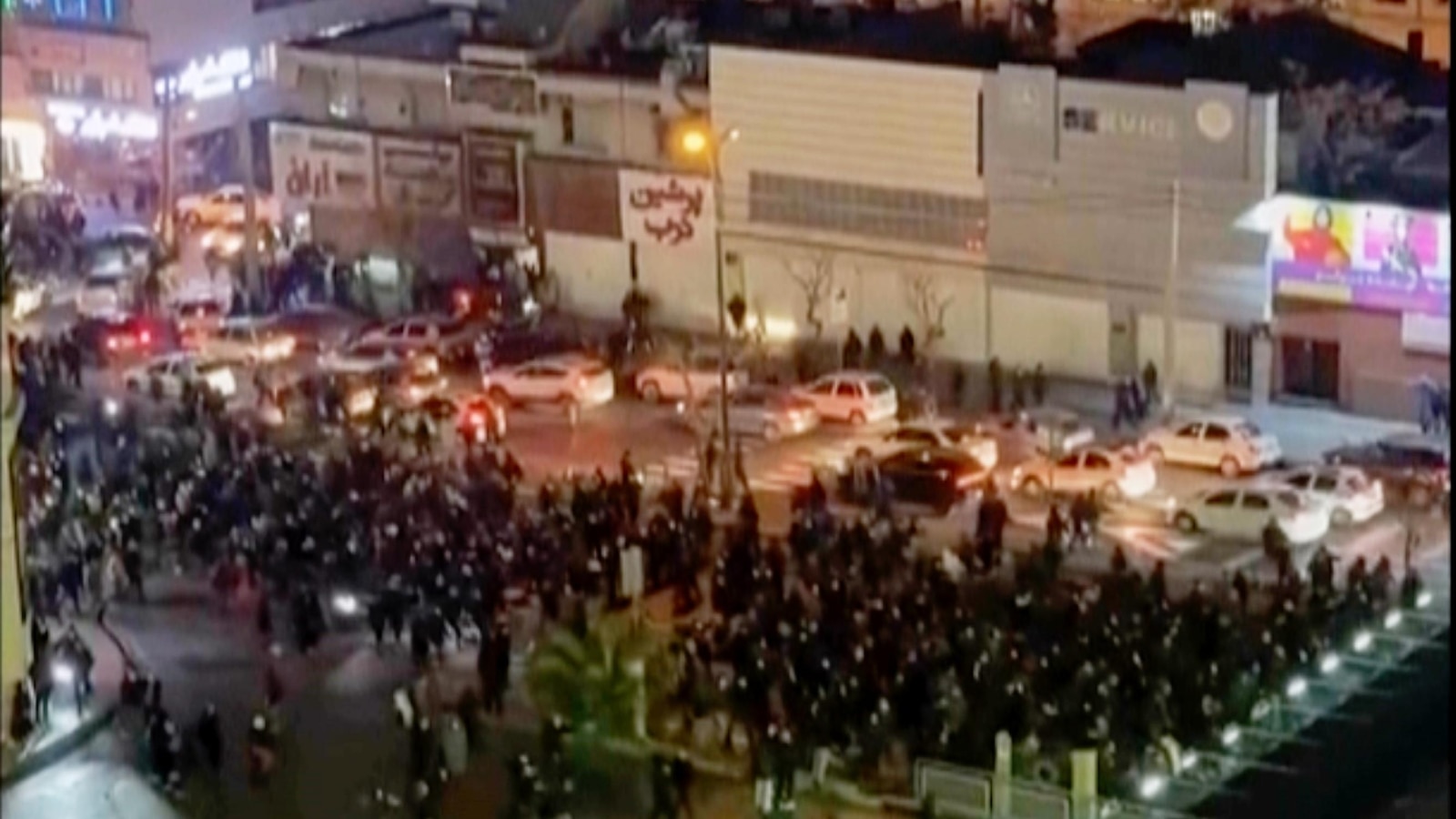
The protests that sparked this massive crackdown began in late December, initially triggered by anger over spiraling prices that had made basic necessities increasingly unaffordable for ordinary Iranians. But the demonstrations quickly evolved into something much larger—a fundamental challenge to the country’s theocratic system of government. The movement peaked on January 8th and 9th, when hundreds of thousands of people across more than 190 cities and towns simultaneously took to the streets in one of the largest displays of dissent in the Islamic Republic’s history. The government’s response was swift and brutally violent. The Human Rights Activists News Agency has documented more than 7,000 deaths, though they acknowledge the true toll is likely far higher. In a rare admission, Iran’s government offered its own death count on January 21st—3,117 people killed—though the regime has a documented history of undercounting or simply not reporting fatalities from previous periods of unrest. Gholamhossein Mohseni Ejehi, a hard-line cleric heading Iran’s judiciary, became the public face of this crackdown, branding protesters as “terrorists” and demanding expedited punishments. One protester from Gohardasht, a middle-class area near Tehran, told the Associated Press that two of his relatives, three of his brother’s friends, and several neighbors were killed in just the first days of the government’s violent response. “Detentions have been very widespread because it’s like a whole suffocation of society,” he explained, speaking anonymously for fear of becoming the next target.
Legal Protections Erased and Families Punished
What makes this crackdown particularly disturbing is the complete abandonment of even the pretense of due process. Musa Barzin, an attorney with Dadban—a group of Iranian lawyers now based abroad who are documenting detentions—noted that in previous crackdowns, authorities at least maintained “a veneer of due process and rule of law.” Not this time. Detainees are routinely denied access to legal counsel and held for extended periods before being allowed even a single phone call to family members. Lawyers who dare to represent arrested protesters have themselves faced court summons and detention, creating a chilling effect on the legal profession. “The following of the law is in the worst situation it has ever been,” Barzin stated bluntly. But the punishment doesn’t stop with the detained individuals themselves. Authorities have begun suspending bank accounts, blocking SIM cards, and confiscating property belonging to protesters’ relatives or anyone who publicly expresses support for them. This collective punishment strategy aims to isolate protesters and intimidate potential supporters, extending the reach of the crackdown far beyond those who actually participated in demonstrations. For families already traumatized by having loved ones disappear into Iran’s prison system, these additional punishments add economic hardship to their emotional suffering.
Defiance Amid Repression and an Uncertain Future
Despite the overwhelming force of the crackdown, pockets of resistance persist. The Writers’ Association of Iran, an independent organization with a long tradition of dissent, issued a courageous statement describing the protests as an uprising against “47 years of systemic corruption and discrimination.” They also announced that two of their members, including one from their secretariat, had been detained. A national council representing schoolteachers urged families to speak out about detained children and students, encouraging them not to fear security force threats and to make their children’s names public. The council’s spokesman reported that they had documented at least 200 minors killed in the crackdown, with new names arriving daily. “Every day we tell ourselves this is the last list,” Mohammad Habibi wrote on social media. “But the next morning, new names arrive again.” Even Iran’s state-sanctioned doctors council spoke out, calling on authorities to stop harassing medical staff. The underlying causes of the protests—decades of sanctions, corruption, and economic mismanagement that have hollowed out Iran’s economy, plunged the currency’s value, and driven inflation to record levels—remain unaddressed. The government has announced minor gestures like a new coupon program for essential goods, but labor and trade groups, including a national retirees syndicate, continue issuing statements condemning both the economic and political crisis. International pressure is mounting, with U.S. President Donald Trump deploying military assets to the Persian Gulf and suggesting potential strikes over the killing of peaceful demonstrators. Iran’s government has organized pro-government rallies to project strength, and the regime has certainly demonstrated its iron grip. Yet attorney Musa Barzin sees significance in the ferocity of the response: “For the first time,” he said, Iran’s leadership appears genuinely “afraid of being overthrown.” Whether that fear will lead to reform or further repression remains the agonizing question for millions of Iranians and for families like the Nakhiis, still waiting for word of their disappeared daughters.