


Israel Strikes Iran’s Leadership: Senior Military and Security Officials Killed in Tehran
Targeted Assassination Campaign Escalates Regional Tensions
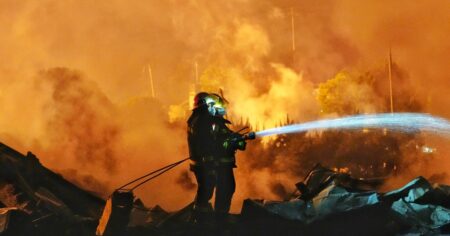
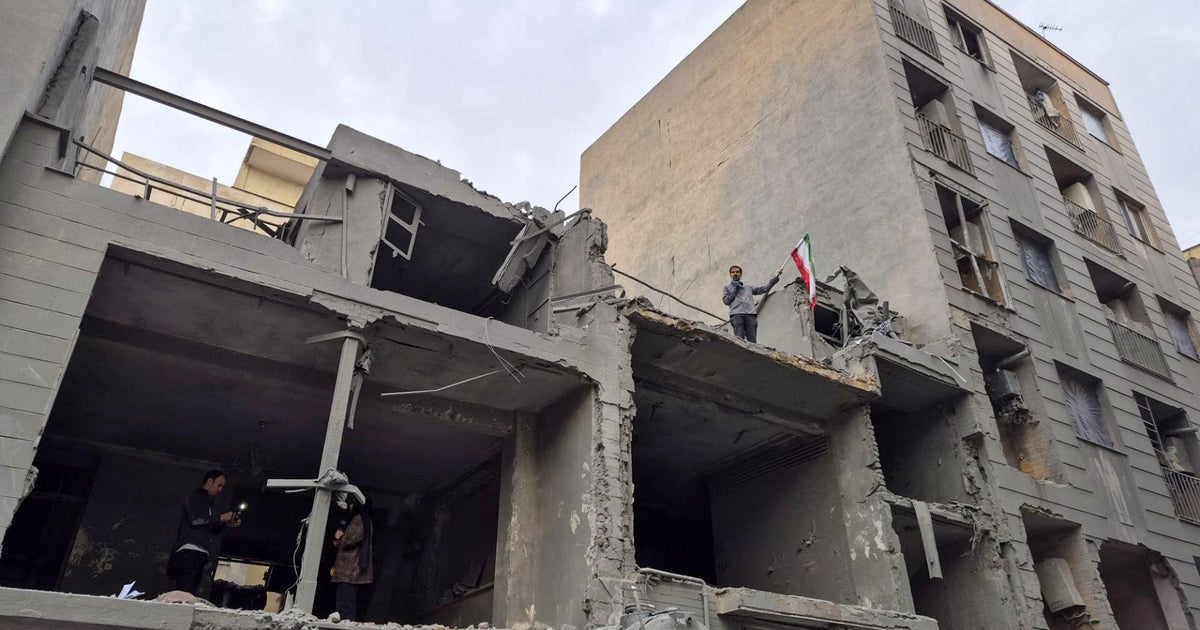
In a dramatic escalation of hostilities, Israel has confirmed that its military forces successfully eliminated two of Iran’s most powerful and senior officials in overnight strikes conducted in Tehran. The Israel Defense Forces announced on Tuesday that among those killed was Gholamreza Soleimani, the commander of Iran’s notorious Basij paramilitary force, who had held this critical position for the past six years. Perhaps even more significantly, Israeli Defense Minister Israel Katz later confirmed that Ali Larijani, who served as the head of Iran’s Supreme National Security Council, was also “eliminated” in the operation. These targeted killings represent one of the most audacious and consequential strikes against Iran’s leadership structure in recent memory, signaling Israel’s willingness to take direct action deep inside Iranian territory against those it considers architects of terror and regional instability.
The operation appears to have been meticulously planned and executed with precision intelligence. According to the IDF’s official statement, the Israeli Air Force carried out the strikes based on intelligence gathered by military intelligence services. The decision to target these specific high-ranking officials was not made lightly, with Israeli Defense Minister Israel Katz revealing that both he and Prime Minister Benjamin Netanyahu personally instructed the IDF to continue pursuing the leadership of what they described as Iran’s “terror and oppression regime.” This language reflects Israel’s broader strategic view of Iran not merely as a military adversary but as a fundamentally illegitimate government that uses violence and intimidation to maintain power both domestically and through its regional proxies. The calculated nature of these strikes, targeting individuals at the very heart of Iran’s security apparatus, demonstrates Israel’s confidence in its intelligence capabilities and its determination to dismantle the command structure it holds responsible for threats against Israeli citizens and regional stability.
The Basij Commander: Architect of Domestic Repression
Gholamreza Soleimani’s role as commander of the Basij made him one of the most feared figures within Iran’s complex security architecture. The Basij, a volunteer paramilitary organization that falls under the command of Iran’s Revolutionary Guard Corps, has long served as the regime’s primary instrument for domestic control and the suppression of dissent. According to the IDF’s statement, under Soleimani’s leadership, the Basij led “the main repression operations, employing severe violence, widespread arrests, and the use of force against civilian demonstrators” during the anti-government protests that erupted across Iran in January. These protests, which saw thousands of ordinary Iranians take to the streets demanding change and accountability from their government, were met with brutal crackdowns that resulted in numerous deaths, injuries, and arrests. The Basij forces under Soleimani’s command were reportedly at the forefront of these suppression efforts, using tear gas, batons, and in some cases live ammunition against unarmed civilians. By eliminating Soleimani, Israel is sending a clear message that it will hold accountable those responsible for both external aggression and internal oppression, expanding its definition of legitimate targets beyond those directly involved in operations against Israel itself.
Larijani’s Death: Removing a Defiant Voice
The elimination of Ali Larijani represents an even more significant blow to Iran’s regime, given his position at the apex of the country’s national security decision-making process. As head of Iran’s Supreme National Security Council, Larijani was one of the most senior surviving leaders of the Iranian government and played a central role in coordinating the country’s response to external threats and formulating its regional strategy. Until the Monday night strikes, he had been among the handful of top-tier officials still alive and operating within Iran, making him an invaluable asset to the regime’s continuity and strategic planning. Larijani was known for his defiant rhetoric and unwavering stance against Iran’s adversaries, particularly Israel and the United States. Just one week before his death, he had issued a stern warning directed at President Trump, declaring that the Iranian people “do not fear your empty threats; even those greater than you have failed to erase them… so beware lest you be the ones who disappear.” This bold statement, made in the context of escalating tensions, now carries a tragic irony given that it was Larijani himself who would disappear from the political landscape within days. His death removes a key voice in Iran’s hardline establishment and creates a significant void in the regime’s security leadership at a critical moment.
Strategic Implications and Military Assessment
The Israeli military characterized Soleimani’s assassination as “an additional significant blow to the regime’s security command-and-control structures,” suggesting that this operation is part of a broader, sustained campaign rather than an isolated incident. The IDF’s statement emphasized its determination to “continue to operate with determination against commanders of the Iranian terror regime,” indicating that Israeli leadership views this as an ongoing mission rather than a completed objective. This systematic dismantling of Iran’s security leadership represents a fundamental shift in Israel’s approach to the Iranian threat. Rather than focusing primarily on preventing weapons transfers, disrupting proxy operations, or targeting nuclear facilities, Israel appears to be pursuing a decapitation strategy aimed at eliminating the human capital that makes Iran’s regional activities possible. By removing experienced commanders and senior security officials, Israel aims to create organizational chaos, disrupt institutional knowledge transfer, and force the Iranian regime to divert resources toward protecting its remaining leadership rather than planning and executing operations against Israeli interests.
International Dimensions and Trump Administration Coordination
The timing and diplomatic context of these strikes add another layer of complexity to an already intricate situation. Defense Minister Katz explicitly stated that Israel would update President Trump on the killing of the two senior Iranian figures “when morning breaks in Washington,” suggesting close coordination or at least consultation between the Israeli government and the new Trump administration. This reference to briefing the American president indicates that Israel views these operations not merely as bilateral actions but as part of a broader regional strategy that involves its most important ally. The fact that Israeli officials felt confident enough to conduct such dramatic strikes deep inside Iranian territory suggests they have received at least tacit approval or assurance of American support in dealing with potential consequences. Prime Minister Netanyahu’s office reinforced the message of determined leadership by posting a photograph on social media showing the Israeli leader on the phone, accompanied by text stating simply: “Prime Minister Benjamin Netanyahu orders the elimination of senior Iranian regime officials.” This public messaging serves multiple purposes: demonstrating resolve to the Israeli public, warning Iran’s remaining leadership that they remain targets, and signaling to regional observers that Israel possesses both the capability and political will to strike its enemies wherever they may be.
Broader Context and Future Implications
These strikes represent a critical juncture in the long-standing shadow war between Israel and Iran, potentially marking the beginning of a new, more openly aggressive phase of conflict. For years, the two nations have engaged in a complex chess game of proxy battles, covert operations, cyberattacks, and occasional direct military action. However, the brazen elimination of such senior officials within Iran’s capital city crosses a threshold that may fundamentally alter the rules of engagement. Iran will face enormous pressure to respond in a manner that demonstrates strength and preserves the regime’s credibility with its domestic population and regional proxies. At the same time, any significant retaliation risks triggering an even more devastating Israeli response, potentially with American support, that could threaten the regime’s survival. The deaths of Soleimani and Larijani also create immediate operational challenges for Iran’s security apparatus, as surviving officials must simultaneously plan potential retaliatory actions while also implementing enhanced security measures to protect themselves from becoming the next targets. The psychological impact of these assassinations cannot be underestimated; knowing that even the most senior leaders are vulnerable to precision strikes in the heart of their heavily guarded capital creates an atmosphere of uncertainty and fear that may affect decision-making at the highest levels. As the region awaits Iran’s response and the international community watches nervously, these strikes have undeniably changed the strategic landscape of Middle Eastern security dynamics, with consequences that will unfold in the days, weeks, and months ahead.