

Congressman Jason Crow Sounds Alarm on Trump’s Foreign Policy Decisions
Troop Withdrawals from Germany Spark Bipartisan Concern
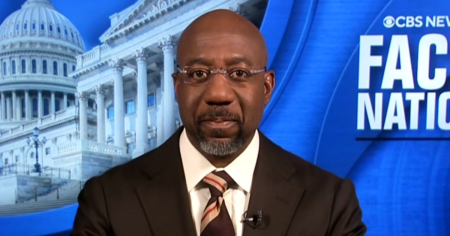
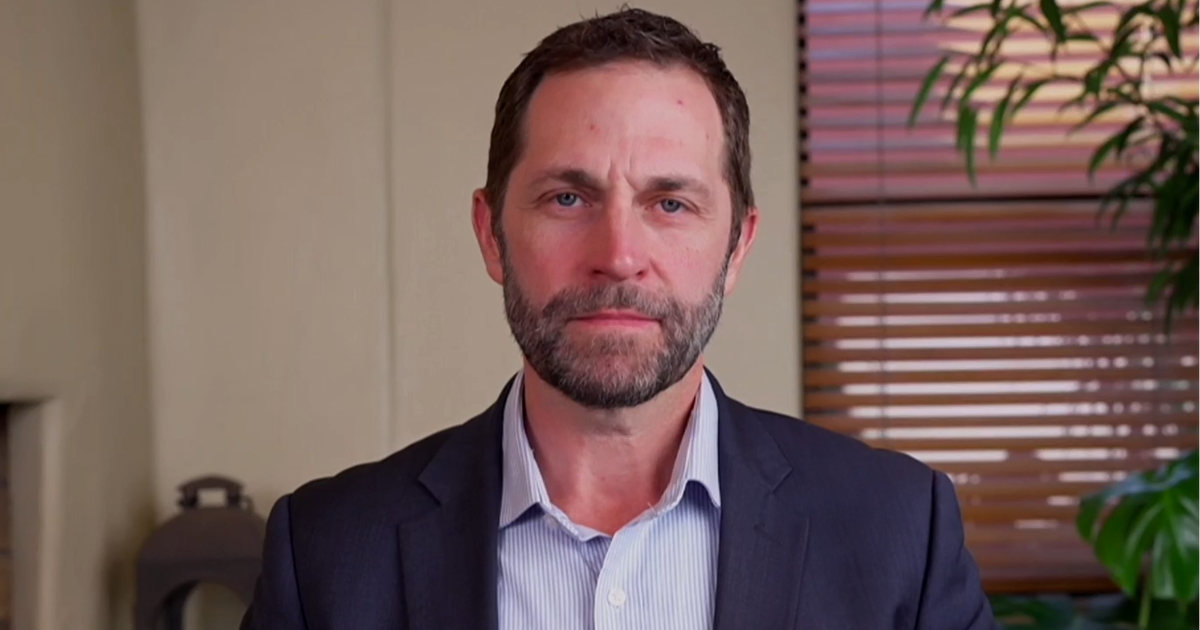
In a revealing interview on CBS’s “Face the Nation,” Colorado Democratic Representative Jason Crow didn’t mince words about what he sees as dangerous impulsiveness in the Trump administration’s military decisions. The congressman, speaking from the McCain Institute Forum in Arizona, addressed breaking news about Defense Secretary Pete Hegseth’s order to withdraw a U.S. brigade from Germany—a move that has even Republican lawmakers worried. According to Crow, this isn’t just about political disagreements or coordination preferences; it’s about following the law. He explained that Congress passed bipartisan legislation specifically requiring certain conditions to be met before moving troops around Europe, precisely because of concerns about this administration’s rhetoric regarding reducing America’s European military presence.
What makes this situation particularly troubling, Crow argues, is the apparent motivation behind the decision. It seems President Trump ordered additional troop withdrawals—on top of the 5,000 already announced—essentially as retaliation against German Chancellor’s comments about Iran. Crow finds it deeply concerning that the Commander in Chief would make consequential military decisions affecting thousands of service members simply because he was upset by a foreign leader’s statement. This approach, the congressman warns, is “no way to run a foreign policy.” The European troop presence isn’t just about military positioning—it helps secure the continent, protects America’s economic interests, and safeguards the hundreds of thousands of U.S. citizens living and working in Europe. While approximately 30,000 troops would still remain in Germany, and the legal floor is set at 76,000 troops across Europe, Crow emphasized that the process matters as much as the numbers, especially when decisions appear driven by presidential emotions rather than strategic national security interests.
The Real Cost of Military Movements and Presidential Temperament
Representative Crow, himself a military veteran, brought a unique perspective to the discussion about troop movements. He made clear that he’s not categorically opposed to relocating military units—such movements happen regularly in response to evolving security situations, and that’s a normal part of the commander in chief’s responsibilities. During his own military service, forces were moved around frequently based on operational needs. However, what concerns him deeply is when these decisions aren’t driven by actual security assessments or the welfare of the troops themselves. Moving military units isn’t a simple matter of relocating people from one base to another; it’s a complex operation that exposes service members to various risks and requires careful planning and proper timelines.
The congressman’s frustration centers on the apparent disconnect between what should motivate military decisions and what actually seems to be driving them. When the President of the United States makes decisions about where to position thousands of American troops based on personal offense taken at a foreign leader’s comments rather than strategic military necessity, it puts those troops at unnecessary risk. Crow emphasized that Congress needs to ensure any troop movements that do occur are actually in America’s interests, not serving as instruments of presidential pique. This situation exemplifies a larger pattern that worries the congressman: foreign policy decisions being made reactively and emotionally rather than strategically and thoughtfully, with potentially serious consequences for both military personnel and national security.
Questioning America’s Middle East Strategy—Or Lack Thereof
When the conversation turned to Iran and the ongoing tensions in the Strait of Hormuz, Congressman Crow shifted focus from tactical questions to something he believes is far more important: strategy. He pointed out that it’s actually Iran blockading the strait, with the U.S. counter-blockading their blockade—but suggested that Americans should be asking themselves a much bigger question: Does the country really want to remain in conflict in the Middle East for another five, ten, or twenty years? The congressman argued that the nation has fundamentally confused tactics with strategy, spending most of the public conversation discussing blockades, drone countermeasures, and oil shipments rather than addressing the core strategic question of what America is actually trying to accomplish.
Drawing on the hard lessons of recent history, Crow delivered a sobering assessment: the United States spent trillions of dollars in Iraq and Afghanistan with dismal results. In Afghanistan, America essentially replaced the Taliban with the Taliban. In Iraq, the removal of Saddam Hussein eventually led to the rise of ISIS. These outcomes, he argues, demonstrate that America is “not good at having off ramps” or accomplishing large strategic objectives in the Middle East. The current situation with Iran, from his perspective, represents yet another example of the country sleepwalking into an extended conflict without clearly defined goals or exit strategies. Instead of constantly discussing tactical responses to immediate situations, Crow believes the administration and Congress should be having serious conversations about what the endgame looks like and how to achieve it without repeating the costly mistakes of the past two decades.
Drawing a Line on Defense Spending Without Clear Strategy
Representative Crow took a surprisingly firm stance when asked about the Defense Department’s $1.5 trillion budget request presented by Secretary Hegseth. Despite the typical political pressure to “support the troops,” especially when they’re in harm’s way, Crow said he would vote no—not necessarily because of specific concerns about current operations, but because the Department of Defense has fundamental accountability problems. He pointed out that the Pentagon has never passed an audit in its entire history, making it the only government agency that cannot account for how it spends taxpayer money. This lack of financial oversight, combined with what Crow sees as an undefined strategy in the Middle East, makes him unwilling to write what he called “blank checks.”
When pressed about the need to restock munitions, Crow responded that Congress has already funded munition stockpiles, and he refuses to continue the pattern seen in Iraq and Afghanistan of “throwing good money after bad.” His position reflects a growing frustration with funding open-ended conflicts that don’t produce positive results for America. The congressman argued that someone needs to say “enough is enough” and break the cycle of continuously funding military operations without clear objectives, congressional authorization, or even a coherent explanation to the American people about what the administration is trying to accomplish. It’s a politically risky position—opposing defense spending can easily be characterized as not supporting troops—but Crow framed it as fiscal responsibility and strategic common sense, refusing to perpetuate what he sees as failed approaches to Middle East conflicts.
Surveillance Powers and the Trust Deficit
The conversation took an interesting turn when discussing Section 702, the warrantless surveillance program that collects communications of foreigners abroad, including when they interact with Americans. Congressman Jim Himes, a fellow Democrat in a powerful position on the House Intelligence Committee, has called it “the most important foreign intelligence tool America has” and says he’s seen no evidence of Trump administration misuse. Yet Crow voted against a long-term extension of the program, creating a split among Democrats on this issue. Crow acknowledged that Himes is right about the program’s importance—it helps prevent terrorist attacks and provides crucial intelligence that protects American troops, which is why he’s historically supported it.
However, Crow’s reasoning for opposing a long-term extension reveals deep concerns about the current administration’s respect for legal boundaries. He cited a pattern of behavior over the past year: the president routinely ignoring legal decisions, with the administration disregarding more than a third of court rulings against them. Most dramatically from Crow’s perspective, he alleged that in February, the administration politicized the Department of Justice and attempted to indict him and other members of Congress simply for stating what the law requires of service members. Given this pattern of what he characterizes as lawlessness, Crow says he’s unwilling to give the administration a “very long runway” with such a powerful intelligence tool. His solution: approve only short-term extensions, perhaps as brief as the current one running until June 12, which allows Congress to maintain leverage and oversight. If the administration begins abusing the program or straying from legal requirements, Congress can pull back authorization. Giving a three-year reauthorization, he argues, would eliminate congressional leverage if violations occur eighteen months down the line.
The Bigger Picture: Accountability and Constitutional Balance
Throughout the interview, Representative Crow’s comments painted a picture of someone genuinely wrestling with the balance between national security needs and constitutional checks on executive power. His military background gives him credibility when discussing troop movements and defense policy, making it harder to dismiss his concerns as mere partisan opposition. Yet his positions on both the defense budget and surveillance powers put him at odds not just with the administration but sometimes with members of his own party, suggesting these aren’t purely political calculations.
The through-line in Crow’s remarks is a concern about decision-making processes and accountability. Whether discussing troop withdrawals driven by presidential emotions, Middle East conflicts lacking defined strategies, defense spending without financial accountability, or surveillance powers granted to an administration he believes has shown contempt for legal limits—in each case, he’s arguing that the normal guardrails aren’t functioning properly. His approach seems to be using Congress’s constitutional powers, particularly over spending and program authorization, to force more accountability and strategic thinking. It’s an approach that may frustrate both those who want more aggressive action against perceived threats and those who believe Congress should defer more to executive branch expertise on national security. But Crow appears willing to accept that political tension as the price of what he sees as necessary oversight, drawing lines he hopes will prevent the repetition of costly mistakes and protect constitutional balance in an era he clearly views as testing both.