


Federal Government’s Controversial Plan to Share Voter Data Sparks Privacy and Legal Concerns
A Secret Agreement Takes Shape
Behind closed doors, the Justice Department and Department of Homeland Security are putting the finishing touches on an agreement that has the potential to reshape how the federal government uses voter information. According to sources familiar with the negotiations, this arrangement would allow Immigration and Customs Enforcement (ICE) and Homeland Security Investigations to access sensitive voter registration data collected by the Justice Department’s Civil Rights Division. The stated purpose? To investigate whether non-citizens have unlawfully registered to vote or cast ballots in previous elections. What makes this particularly controversial is that the Justice Department hasn’t mentioned these data-sharing plans in any of the dozens of state court cases currently underway, where they’re fighting to obtain this very information. The arrangement would likely involve creating a system where officials could submit queries to cross-reference voter registration data with DHS alien databases, essentially creating a powerful tool for immigration enforcement using information originally collected under the banner of protecting voting rights.
The Battle Over Your Personal Information
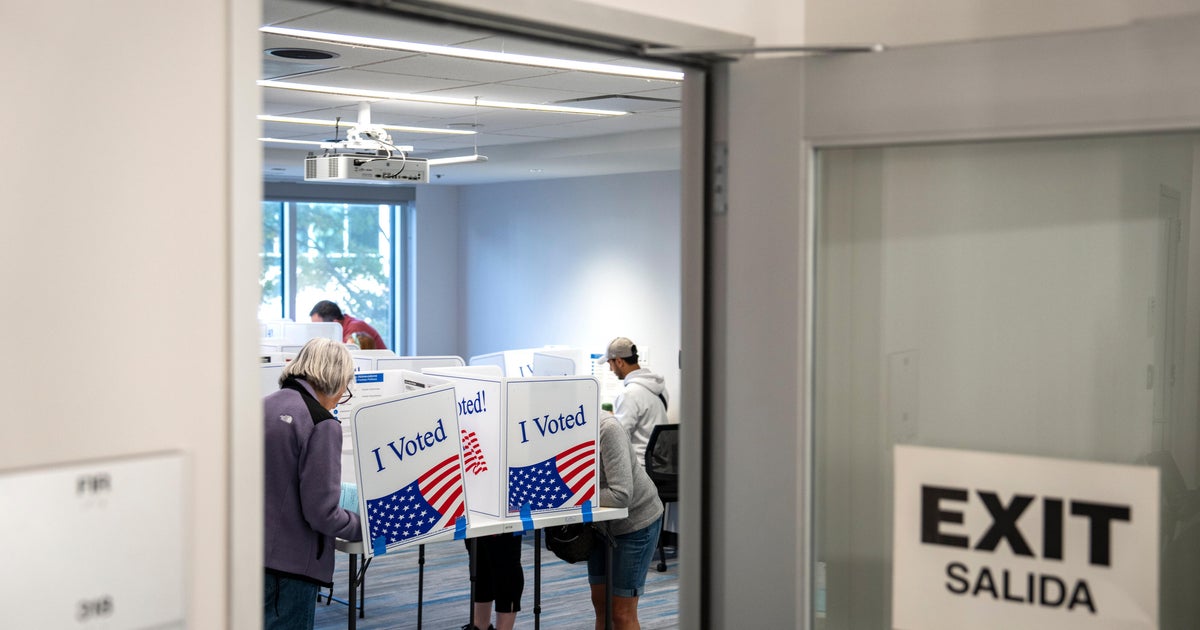
The scope of what the Justice Department is demanding from states is extensive and deeply personal. We’re not just talking about names and addresses here – the government wants access to partial Social Security numbers, driver’s license numbers, voting history, and documents used to verify voter eligibility. So far, 28 states and the District of Columbia have refused these demands and found themselves in federal court, citing serious privacy concerns about handing over such sensitive information. Some states have agreed to cooperate only after negotiating privacy protections, like Oklahoma did earlier this week. Within government circles, there’s disagreement about how much information should actually be shared. Some lawyers are pushing for massive amounts of raw voter data to be turned over to DHS, while others are advocating for a more targeted approach that would limit the transfer to specific types of information. This internal debate highlights the tension between the administration’s immigration enforcement goals and legitimate privacy concerns that even some government attorneys recognize.
What the Government Isn’t Telling the Courts
Here’s where things get legally murky. In courtrooms across America, Justice Department lawyers have been arguing that they need voter roll data to ensure states are complying with federal laws requiring clean voter registration lists – laws like the Help America Vote Act and the National Voter Registration Act. What they haven’t been telling judges is that they’re simultaneously negotiating to share this information with immigration enforcement agencies. In one Minnesota hearing, when directly asked if the department intended to use the data for immigration enforcement, Justice Department attorney James Tucker said “not to my knowledge.” In Connecticut, when pressed on whether there was a plan to share data with DHS, Tucker stated that “as of today, there has been no directive or instruction that the data is going to be transmitted to any other agency.” These statements were made even as negotiations for exactly such an arrangement were reportedly underway. Legal experts say this omission could violate professional conduct rules that all licensed attorneys must follow, specifically the American Bar Association’s rule prohibiting lawyers from making false statements to courts or withholding material information.
The Legal and Ethical Minefield
The Justice Department’s approach has raised red flags among legal scholars and civil rights advocates. Deborah Pearlstein, director of the Princeton program in law and public policy, put it bluntly: if lawyers know they’re lying or withholding information from the court, “they are 100% in jeopardy of substantial sanctions either by the bar or by the court.” There’s also the matter of the Privacy Act, which requires the government to provide public notice and allow for comment before collecting records on individuals. The Justice Department hasn’t filed any formal notice in the Federal Register explicitly disclosing its plan to collect private voter registration data for potential immigration enforcement purposes. David Becker, executive director of the Center for Election Innovation and Research, pointed out that at least one sworn declaration by a government official appears problematic because it seems to exclude key facts from the court. Federal judges have started to notice something’s off. Three courts have already dismissed the Justice Department’s lawsuits, with judges in California and Oregon openly questioning the department’s true motives, using words like “obfuscation” and suggesting the requests were “pretextual” – legal speak for using a legitimate-sounding excuse to hide the real purpose.
The White House Connection and Political Dimensions
Adding another layer to this controversy is the involvement of the White House in discussions between the Justice Department and DHS about the data-sharing arrangement. While the exact nature and extent of White House involvement remains unclear, sources confirm that discussions have taken place. This comes after the White House issued an executive order directing the government to enforce laws preventing non-citizens from voting. The political optics are significant: the Justice Department has filed 30 lawsuits, primarily against blue states and the District of Columbia, demanding voter information. Attorney General Pam Bondi even sent a letter to Minnesota Governor Tim Walz criticizing his state’s immigration enforcement response and suggesting he could help restore order by giving the Civil Rights Division access to voter rolls. One federal judge found this particularly telling, writing that “the context of this demand within a letter about immigration enforcement casts serious doubt as to the true purposes for which Plaintiff is seeking voter registration lists.” The administration’s defenders argue this is about election integrity, with a DHS spokesperson stating that collaboration with DOJ will “lawfully and critically enable DHS to prevent illegal aliens from corrupting our republic’s democratic process.”
The Bigger Picture: Privacy, Trust, and Democracy
At its heart, this controversy touches on fundamental questions about privacy, government power, and the delicate balance between security and civil liberties. When citizens register to vote, they provide sensitive personal information with the understanding that it will be used for election administration purposes. The idea that this information could become a database for immigration enforcement represents a significant expansion of how that data is used – one that wasn’t communicated when the information was collected. There’s also the practical question of accuracy. Voter registration databases are notoriously messy, with outdated information, data entry errors, and people with similar names creating false matches. Using this data as a basis for immigration investigations could lead to American citizens being incorrectly flagged and investigated. The secrecy surrounding the arrangement is perhaps most troubling. In a democratic society, major policy changes – especially those affecting privacy and civil liberties – are supposed to happen transparently, with public debate and input. Instead, this plan has been developed behind closed doors while government lawyers tell courts one thing and apparently plan another. As this situation continues to unfold, it raises important questions about accountability, the rule of law, and whether the government’s stated justifications for collecting information match its actual intentions. The outcome of these court cases, and whether the Justice Department faces consequences for its lack of candor with the courts, will have implications far beyond immigration enforcement, potentially affecting how much Americans can trust their government to be honest about how it uses their personal information.