



The State of American Women’s Figure Skating at the 2026 Winter Olympics
High Hopes Meet Hard Reality on the Ice
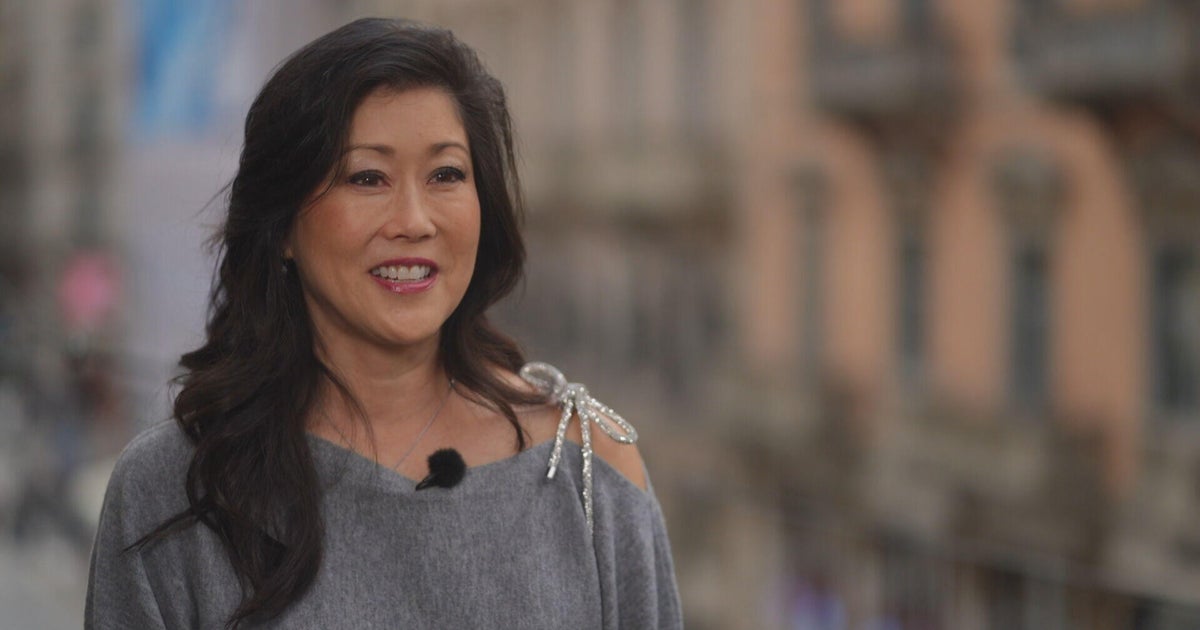
The 2026 Milano Cortina Winter Games began with tremendous anticipation for Team USA’s women’s figure skating contingent, but the short program on Tuesday delivered a harsh reminder of just how unforgiving Olympic competition can be. Three talented American skaters—Alysa Liu, Amber Glenn, and Isabeau Levito, collectively known as the “Blade Angels”—took to the ice carrying not just their own dreams, but the weight of a two-decade medal drought for American women in individual figure skating. Before competition began, legendary Olympic gold medalist Kristi Yamaguchi had expressed cautious optimism about the team’s chances, emphasizing the crucial importance of delivering a clean short program. Her words would prove prophetic as the competition unfolded, with early mistakes threatening to derail American medal hopes and placing the heavy burden of expectation squarely on the shoulders of Alysa Liu, who emerged from the short program in third place while her teammates faced uphill battles.
A Costly Mistake Dims Medal Dreams
The short program proved to be a tale of mixed fortunes for the American skaters, with technical errors creating significant obstacles in the pursuit of the podium. Amber Glenn, one of the most experienced members of the team, encountered disaster when she couldn’t complete her triple loop—a fundamental jump that proved to be a costly mistake. This single error sent her tumbling down the standings to 13th place, a devastating blow that essentially eliminated her from realistic medal contention. Meanwhile, Isabeau Levito found herself in eighth position, and only Alysa Liu managed to stay within striking distance of the medals by securing third place after the short program. Yamaguchi’s pre-competition warning about the importance of a clean short program rang painfully true: “Missing one element is so detrimental, and you want to set yourself up right for a chance at a medal, at the gold.” The margin for error at the Olympic level is razor-thin, and every missed element carries enormous consequences in the scoring system that determines who stands on the podium and who watches from below.
The Long Road Back: Can They Recover in the Free Skate?
With the free skate looming on Thursday, the American skaters face dramatically different scenarios. For Alysa Liu, the path forward is relatively straightforward—maintain her performance level and hope that the skaters ahead of her falter. For Glenn and Levito, however, the mathematics of medal contention have become significantly more complicated. Glenn sits 9.2 points behind the bronze medal position, while Levito is 5.75 points away from third place. These aren’t insurmountable deficits in figure skating, but closing such gaps would require not only flawless performances from the Americans but also mistakes from their competitors. Yamaguchi offered some perspective on competing after a disappointing short program, noting that even when the medal you want seems out of reach, a strong free skate serves an important purpose: “You might not get the medal you want, but it’s just proving that, you know, you belong there and you were ready.” The 2026 Winter Games have already seen plenty of unexpected errors from favorites across various events, so the possibility of a dramatic comeback, while unlikely, remains mathematically possible heading into the final phase of competition.
Two Decades of Waiting for American Glory
The pressure on these three skaters extends far beyond their individual aspirations—they’re attempting to end a twenty-year medal drought for American women in individual Olympic figure skating. The last time an American woman stood on an Olympic podium in this event was in 2002, a gap that has grown increasingly conspicuous as the years have passed. The history of American success in women’s figure skating makes this drought even more striking. Kristi Yamaguchi herself captured gold at the 1992 Albertville Winter Games, with Nancy Kerrigan earning bronze in the same competition, representing a golden era when American women regularly contended for and won Olympic medals. Before Tuesday’s competition began, Yamaguchi had expressed her feeling that American women were “due” for a victory, citing the presence of “solid competitors who are seasoned, who have had the experience, and I feel like are ready.” The combination of talent, preparation, and experience seemed to suggest that 2026 might finally be the year the drought ended, but the short program results have made that outcome considerably less certain, with Liu now carrying the hopes of a nation on her shoulders as the only American woman with a realistic shot at the podium.
The Enduring Appeal of Figure Skating in American Culture
When asked about figure skating’s unique ability to capture American hearts and attention every four years, Yamaguchi offered insights into the sport’s special place in Olympic culture. She described it as “the glamorous side of the Olympics,” a competition that combines athletic excellence with artistic expression in ways that few other sports can match. The United States has a rich tradition of success in women’s figure skating, producing numerous world and Olympic champions who have become household names and cultural icons. Beyond the competitive results, Yamaguchi emphasized that artistry remains an essential element of the sport’s appeal: “It’s what people fall in love with. Personalities, the style, expression.” Figure skating offers viewers something different from purely athletic competitions—it’s a performance art that happens to be judged and scored, where technical mastery must blend seamlessly with musical interpretation, emotional expression, and individual style. This combination of athletics and artistry, power and grace, technical difficulty and artistic beauty, creates a compelling spectacle that transcends sports and enters the realm of entertainment, explaining why millions of viewers who may not follow figure skating between Olympic cycles tune in every four years to watch these athletes perform.
The Free Skate Awaits: One Last Chance for Glory
As Thursday’s free skate approaches, the American team faces a moment of truth. Alysa Liu will step onto the ice knowing that a clean performance could secure the medal that has eluded American women for so long, while also being acutely aware that any significant mistake could send her sliding down the standings just as quickly as her teammate fell in the short program. For Amber Glenn and Isabeau Levito, the free skate represents an opportunity for redemption—a chance to prove that their Olympic preparation wasn’t in vain and to finish their Olympic experience on a high note, even if the medal they hoped for slips beyond reach. The unpredictability that has characterized these Winter Games works both for and against the Americans; while it means that comebacks are possible, it also means that even Liu’s third-place position is far from secure. The figure skating world will be watching closely as these three skaters, the “Blade Angels,” attempt to write a happier ending to their Olympic story than the short program suggested. Whether they succeed in ending the two-decade medal drought or fall short of the podium entirely, their performances on Thursday will represent the culmination of years of sacrifice, training, and dedication to a sport that continues to captivate audiences worldwide with its unique blend of athletic prowess and artistic expression.