

Major Explosion Rocks Texas Oil Refinery, Community Responds with Relief and Caution
No Casualties Despite Massive Industrial Incident
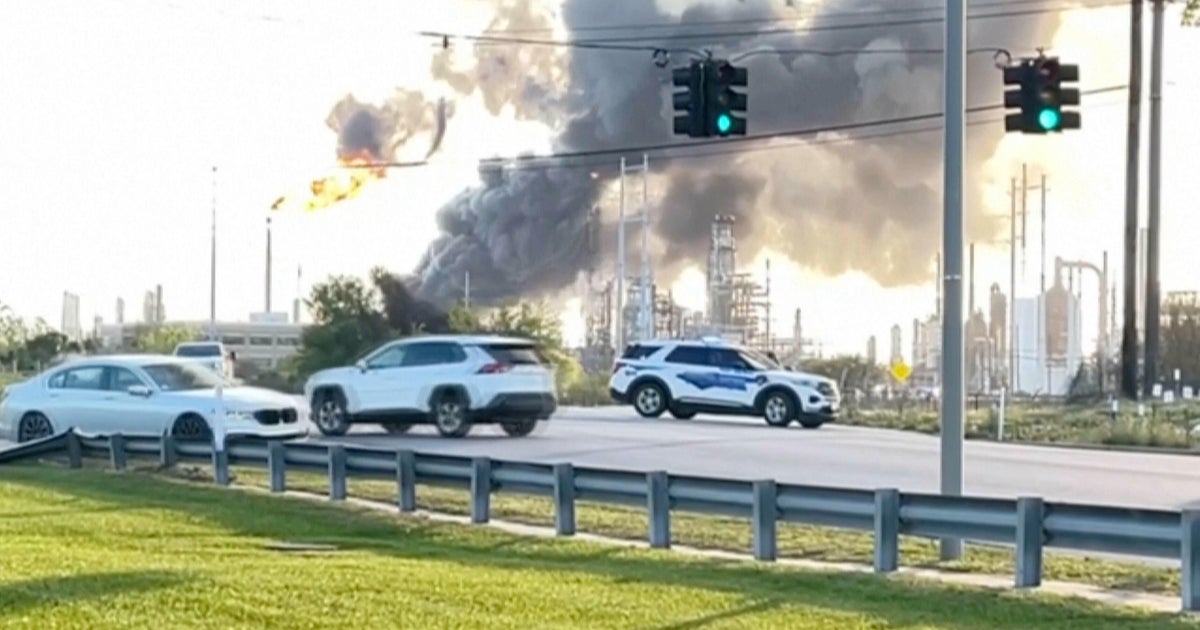
In what could have been a catastrophic disaster, a major explosion erupted at a Valero oil refinery near Port Arthur, Texas, on Monday, sending towering plumes of thick black smoke into the sky and creating immediate concern for the surrounding community along the Texas Gulf coast. Despite the dramatic nature of the incident, with flames and smoke visible for miles around, local officials delivered remarkably good news: there were no fatalities and no injuries reported. Port Arthur Mayor Charlotte Moses spoke with evident relief to CBS News, emphasizing this fortunate outcome while also noting that Valero’s emergency response teams were working around the clock to contain the fire that had broken out at the facility. The explosion was powerful enough that residents in nearby neighborhoods reported hearing a thunderous boom that shook windows in their homes, creating understandable alarm throughout the area. However, Mayor Moses also confirmed that initial air quality monitoring showed no immediate environmental concerns, though officials remained vigilant and continued testing as a precautionary measure to ensure public safety.
Emergency Response and Community Safety Measures
As news of the explosion spread through Port Arthur, local authorities quickly implemented emergency protocols designed to protect residents from potential hazards. The City of Port Arthur issued official statements through its Facebook page and other communication channels, urging residents in western portions of the city to shelter in place until emergency personnel could give an “all clear” signal. This precautionary directive asked people to remain indoors with windows and doors closed, and to limit any outdoor activities until officials could fully assess the situation and ensure there were no lingering dangers from smoke, potential chemical releases, or other hazards associated with the industrial fire. Texas state Representative Christian Manuel took to social media to inform his constituents that the Texas Commission on Environmental Quality had dispatched teams to the refinery site equipped with sophisticated air monitoring equipment. These environmental specialists were working in close coordination with local emergency responders and state-level partners to continuously assess air quality and watch for any signs of environmental contamination that could pose health risks to the community. The rapid response from multiple levels of government demonstrated the well-coordinated emergency management systems in place for such industrial incidents.
The Refinery’s Scale and Economic Significance
The Valero Port Arthur Refinery represents a significant piece of America’s energy infrastructure, operating as one of the substantial petroleum processing facilities along the Gulf Coast. According to information published on Valero’s corporate website, the facility employs approximately 770 workers and has the capacity to process roughly 435,000 barrels of crude oil every single day. This massive operation specializes in refining heavy sour crude oil—a particularly dense and sulfur-rich variety of petroleum—and transforming it into the fuels that power modern life: gasoline for vehicles, diesel for trucks and machinery, and jet fuel for aircraft. The refinery’s strategic location near Port Arthur, which sits about 90 miles east of Houston, positions it as a crucial link in the supply chain that keeps transportation moving across the United States. Valero spokesperson Carol Herbert addressed the incident by confirming that all personnel had been safely accounted for following the explosion, a critical first step in any industrial emergency. She emphasized that Valero’s emergency response team had immediately activated their protocols and was maintaining close coordination with local authorities to manage the situation effectively. Herbert reiterated what she described as the company’s unwavering commitment: “As always, the safety of our workers is our top priority,” a statement that took on particular significance given the fortunate absence of casualties.
Broader Context: Energy Markets and Global Uncertainty
The timing of this explosion adds another layer of concern to an already volatile energy market situation. The incident occurred during a period when gasoline prices have been experiencing an upward spike, driven largely by widespread uncertainty about global oil supplies. This uncertainty stems from ongoing conflict involving Iran, a major oil-producing nation whose geopolitical situation has sent ripples of concern through international energy markets. When major refineries face disruptions—whether from accidents, natural disasters, or other causes—the impact can extend far beyond the immediate community, potentially affecting fuel prices and availability across entire regions. The Port Arthur facility’s substantial processing capacity means that any extended downtime could contribute to tightening supplies in an already stressed market. Energy analysts and market watchers will undoubtedly be monitoring how quickly Valero can assess the damage, complete necessary repairs, and return the facility to full operational capacity. For ordinary consumers already facing elevated prices at the pump, news of refinery incidents understandably raises concerns about whether costs might climb even higher in the weeks ahead.
Dramatic Scenes and Community Reaction
The visual impact of the explosion was nothing short of dramatic, with images and video footage quickly circulating across social media platforms and news outlets. These recordings captured massive columns of black smoke rising hundreds of feet into the air, with orange flames visible at the base of the smoke plumes, creating a scene that looked like something from an action movie rather than a Monday morning in a Texas coastal community. Local residents who witnessed the explosion firsthand described the experience in vivid terms, talking about the loud boom that accompanied the initial blast—a sound powerful enough to rattle windows and doors in homes some distance from the refinery. For people living in Port Arthur and surrounding areas, the sight of such a massive fire at a major industrial facility naturally triggered concerns about immediate safety and potential long-term environmental impacts. The fact that the community had experienced no injuries or fatalities represented an enormous relief, but many residents remained understandably anxious as they waited for official confirmation that all dangers had passed. The shelter-in-place orders, while precautionary, served as a reminder of the potential risks that come with living near major industrial facilities, even as these same facilities provide employment and economic benefits to the region.
Moving Forward: Investigation and Recovery
As emergency responders continued their work to fully extinguish the fire and secure the refinery site, attention will inevitably turn to investigating what caused this explosion and what steps might prevent similar incidents in the future. Industrial accidents at petroleum refineries, while relatively rare given the extensive safety protocols in place at modern facilities, can result from various factors including equipment failure, human error, maintenance issues, or combinations of multiple causes. Federal agencies including the Occupational Safety and Health Administration (OSHA) and the Chemical Safety Board typically conduct thorough investigations following significant refinery incidents, examining everything from maintenance records to safety procedures to determine root causes and recommend improvements. For Valero, the immediate priorities involve completing the emergency response, assessing the extent of damage to equipment and infrastructure, and developing a timeline for repairs and return to normal operations. The company will also need to maintain transparent communication with local officials, regulatory agencies, and the community about their findings and remedial actions. For Port Arthur residents, the incident serves as a reminder of both the risks and the resilience of their community—the risks inherent in hosting major industrial operations, but also the effectiveness of emergency response systems and the importance of companies prioritizing worker and community safety above all else. As cleanup and investigation efforts continue in the coming days and weeks, the fortunate outcome—no injuries, no fatalities—will remain the most important headline from what could have been a far more tragic event.