


Kid ‘n Play’s Christopher “Kid” Reid Opens Up About Life-Saving Heart Transplant
A Hip-Hop Legend’s Health Crisis
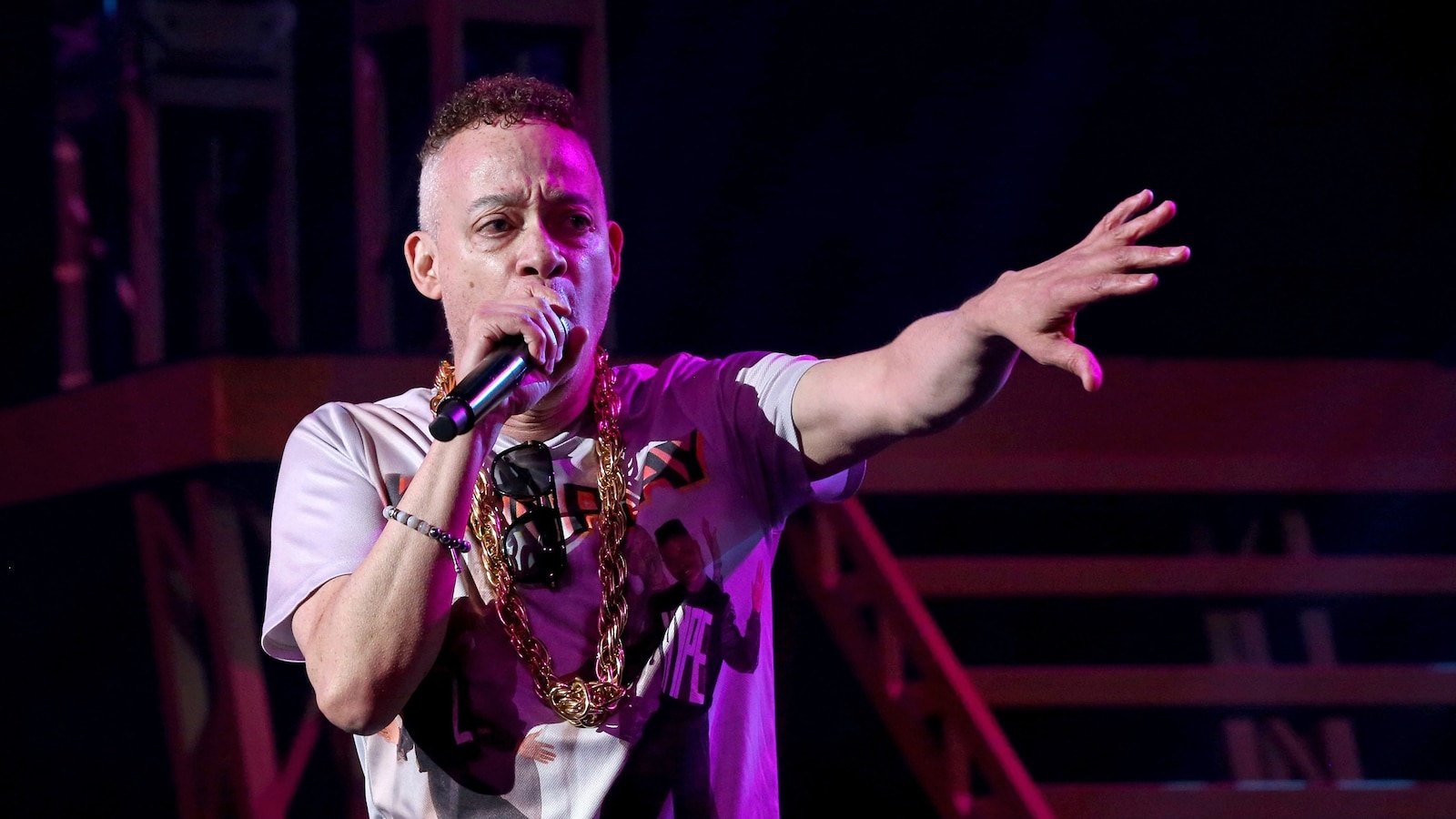
Christopher “Kid” Reid, best known as one half of the iconic 1980s and 1990s hip-hop duo Kid ‘n Play, has courageously shared his recent battle with a life-threatening heart condition in an emotional interview with “Good Morning America.” The 60-year-old rapper, whose high-top fade and energetic performances became cultural touchstones during hip-hop’s golden era, revealed that he underwent a heart transplant following a diagnosis of congestive heart failure. Speaking with co-anchor Michael Strahan, Reid opened up about the frightening journey that began with symptoms he initially dismissed as normal signs of aging. His story serves as a powerful reminder that health warnings should never be ignored, regardless of how busy our lives become or how invincible we might feel.
Reid’s health crisis began subtly, as these things often do. He started experiencing fatigue and shortness of breath—symptoms that many people, especially those living active, demanding lives, might easily overlook. As someone who had spent decades performing, traveling, and maintaining the rigorous schedule that comes with entertainment industry success, Reid initially attributed these warning signs to the natural wear and tear of getting older and the harsh demands of life on the road. “I think sometimes you kinda just chalk it up to, you know, ‘I’m gettin’ older,’ you know, ‘The road is harsh,'” he explained during the interview. This mindset is something many people can relate to—the tendency to rationalize away symptoms, to push through discomfort, to keep moving forward without pausing to truly assess what our bodies might be trying to tell us. For Reid, this dismissive attitude toward his symptoms could have proved fatal had he not eventually sought medical attention.
The Emergency That Changed Everything
Last July, when his symptoms became impossible to ignore, Reid finally visited an emergency room—a decision that would ultimately save his life. It was there that doctors delivered the shocking diagnosis: congestive heart failure, a serious condition in which the heart cannot pump enough blood and oxygen to adequately support the body’s other organs. Initially, Reid’s medical team attempted to manage the condition with medication, a common first-line treatment approach. However, when he returned for a follow-up appointment just three weeks later, his cardiologist, Dr. Erika Jones, immediately recognized that something was very wrong. Reid had returned with significant swelling, an alarming development for someone who should have been responding positively to treatment.
“He came in very swollen again, and that is a little unusual in somebody who’s been started on treatment, for the swelling to come back that quickly,” Dr. Jones told “Good Morning America.” Her medical instincts told her that Reid’s condition was more serious than initially thought, and rather than allowing him to proceed with his plans to fly across the country for a scheduled performance, she insisted he remain local while she conducted additional bloodwork. That evening’s test results confirmed her worst fears: “The blood work confirmed my suspicion. It showed that his heart was failing, and it was starting to affect his other organs,” Jones explained. Within hours, Reid received an urgent call instructing him to return to the emergency room immediately. Upon arrival, he was rushed to the intensive care unit, where the gravity of his situation became undeniably clear. His medical team delivered news that would change his life forever: a heart transplant was his only option for survival.
A Race Against Time
Being placed on a transplant waiting list is a terrifying experience, filled with uncertainty about when—or even if—a matching donor heart will become available. For Reid, the wait represented what Dr. Laura Dichiacchio, one of his cardiothoracic surgeons, described as “a kind of life or death situation.” The medical professionals caring for Reid understood that time was not on their side; his failing heart was beginning to compromise his other organs, creating a cascade of health problems that would only worsen without intervention. Dr. Dichiacchio later described Reid as “warm” and “incredibly calm” throughout this harrowing ordeal—a testament to his character and resilience in the face of what must have been overwhelming fear and uncertainty.
Remarkably, Reid’s wait for a new heart proved much shorter than many transplant patients experience. Just eight days after being placed on the transplant waiting list, he received the call that would give him a second chance at life: a matching donor heart had been found, and surgery would take place the following evening. The speed of this development was both fortunate and extraordinary, as many patients wait months or even years for a suitable organ. The following evening, Reid underwent a seven-hour surgical procedure that would replace his failing heart with a healthy donor organ. When he awoke from surgery, he had literally been given a new lease on life—a second heart, and with it, the opportunity to continue his journey.
A Message of Hope and Health Awareness
Now recovering from his transplant, Reid is using his platform and his story to inspire others, particularly within communities of color, to prioritize their health and seek medical attention when something doesn’t feel right. His message is both urgent and compassionate, born from the recognition that cultural factors, economic pressures, and fear often prevent people from getting the healthcare they need. “A lot of times, we don’t go because we don’t want the bad news, or we too busy just hustlin’, trying to make it from day to day,” Reid explained. “And we … feel like we don’t got time, or we’ll get over it. Well, you might not.” These words carry particular weight coming from someone who nearly paid the ultimate price for initially dismissing his symptoms, and who now understands that no performance, no schedule, and no amount of denial is worth gambling with your life.
Reid’s warning about the dangers of avoiding medical care resonates especially strongly in communities where healthcare access and health outcomes reflect longstanding disparities. According to the Centers for Disease Control and Prevention, approximately 6.7 million American adults aged 20 or older currently live with heart failure. This serious condition, which occurs when the heart cannot pump sufficient blood and oxygen to support the body’s other organs, is influenced by several risk factors including hypertension, diabetes, and coronary artery disease—conditions that disproportionately affect certain populations. The National Heart, Lung, and Blood Institute emphasizes that heart failure requires medical care and cannot be simply ignored or overcome through willpower alone. Treatment approaches vary depending on the severity of the condition and can include lifestyle modifications such as reducing sodium intake, engaging in regular physical activity, and limiting alcohol consumption, as well as medications, devices like pacemakers, and in the most severe cases, heart surgery or transplantation.
Looking Forward With Gratitude
As Reid continues his recovery journey, he speaks with profound gratitude about his second chance at life. “This thing is … a beautiful life. It’s great. And, you know, I wanna be around for it,” he shared during his interview. These simple but powerful words reflect a renewed appreciation for existence itself—the kind of perspective that often comes only after facing mortality head-on. For someone who brought joy to millions through his music and performances with Christopher “Play” Martin during Kid ‘n Play’s heyday, Reid now has the opportunity to continue contributing to the world, to spend time with loved ones, and to advocate for health awareness in ways that could save countless lives.
Reid’s story is more than just a celebrity health scare; it’s a crucial public health message wrapped in a personal narrative of survival and transformation. His willingness to share such a vulnerable chapter of his life demonstrates tremendous courage and a commitment to helping others avoid the near-fatal mistake he made in ignoring his symptoms. As he moves forward with his new heart, Reid carries not only the physical gift from an anonymous donor who gave him life through their death, but also the responsibility and privilege of using his experience to educate, inspire, and potentially save lives. His journey reminds us all that our health is our most precious asset, that warning signs should never be dismissed, and that seeking help is not a sign of weakness but an act of self-preservation and love for those who depend on us. In sharing his story, Christopher “Kid” Reid has given us all something valuable—a wake-up call that could make the difference between life and death.