



Remembering Demond Wilson: A Television Icon Who Brought Laughter to Millions
The Passing of a Comedy Legend
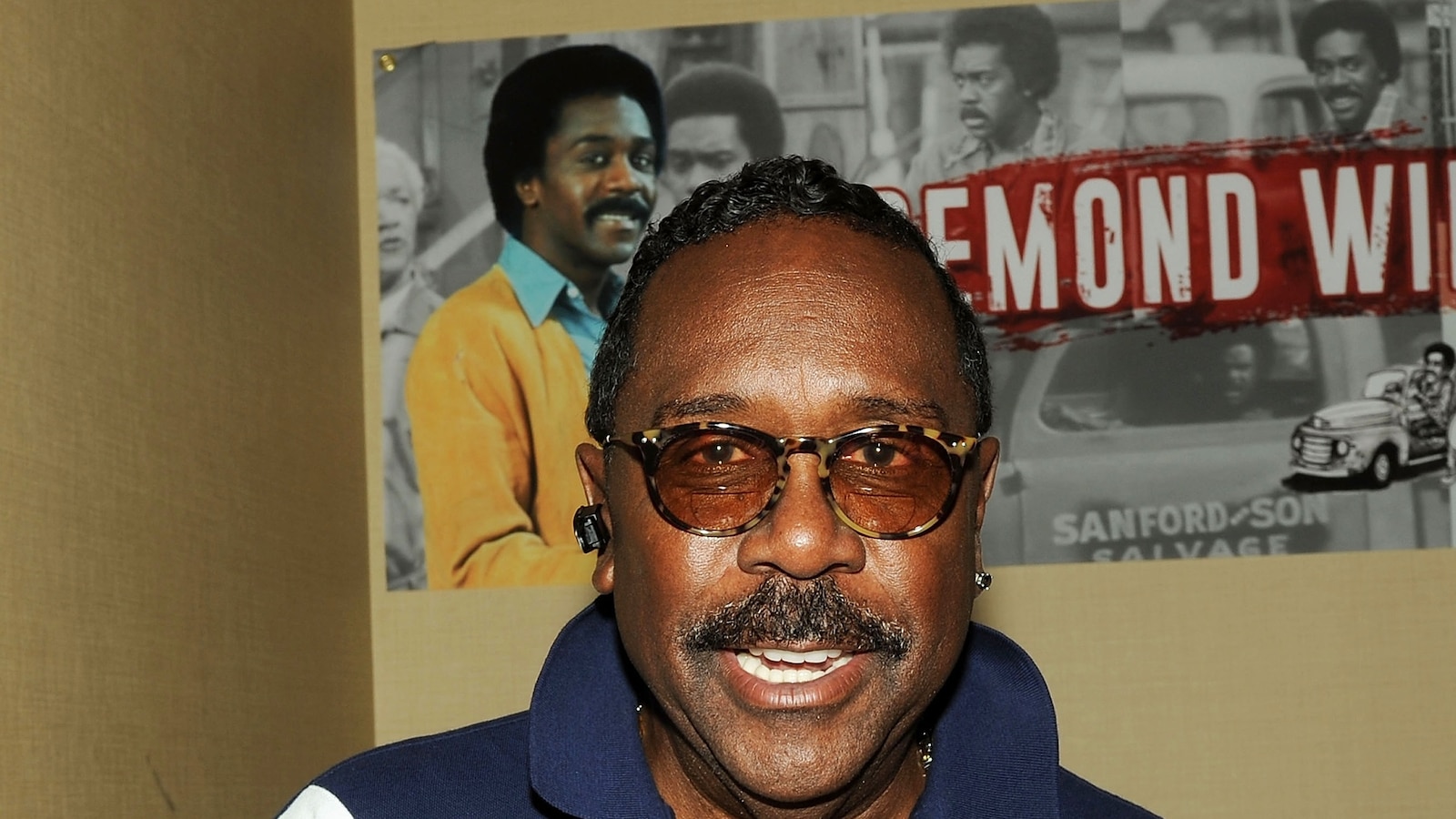
The entertainment world is mourning the loss of Demond Wilson, the talented actor who captured America’s heart with his unforgettable portrayal of Lamont Sanford on the classic NBC sitcom “Sanford and Son.” Wilson passed away at the age of 79, leaving behind a legacy that spans decades of television history and touched the lives of countless fans. The news of his death was officially confirmed by his longtime publicist, Mark Goldman of Goldman McCormick PR, who released a heartfelt statement on behalf of the Wilson family to ABC News. The announcement has sent waves of sadness through the entertainment community and among the generations of viewers who grew up watching his performances. In an era when television was beginning to reflect the diversity of American life, Wilson stood as a pioneering figure whose work helped shape the cultural landscape of the 1970s and beyond.
A Career Built on Talent and Determination
Demond Wilson, born Grady Demond Wilson, embarked on his acting journey in the early 1970s, a time when opportunities for African American actors were beginning to expand but were still limited. His first foray into film came with an uncredited appearance in the 1970 movie “Cotton Comes to Harlem,” a small but significant step that would lead to much greater things. Like many actors of his generation, Wilson paid his dues through perseverance and hard work, gradually building his resume with appearances in some of television’s most popular and groundbreaking shows. He secured small but memorable roles in several high-profile television series that were dominating the airwaves during that era, including “All in the Family,” the revolutionary sitcom that tackled social issues head-on, “Mission: Impossible,” the thrilling spy drama that kept audiences on the edge of their seats, and “Rowan & Martin’s Laugh-In,” the innovative sketch comedy show that defined the counterculture moment. These early roles, though not starring parts, allowed Wilson to hone his craft, develop his timing, and prove that he had the talent and screen presence to carry a show of his own.
The Role That Changed Everything
Wilson’s career trajectory changed dramatically in 1972 when he landed the role that would define his professional life and make him a household name across America. He was cast as Lamont Sanford, the long-suffering but devoted son who worked alongside his cantankerous father in their junkyard business on “Sanford and Son.” The show, which was adapted from the British series “Steptoe and Son,” paired Wilson with the legendary comedian Redd Foxx, who played his father, Fred Sanford. The chemistry between the two actors was electric and undeniable, creating comedy gold that resonated with audiences of all backgrounds. Wilson’s Lamont was the perfect counterbalance to Foxx’s Fred—where Fred was scheming and melodramatic, Lamont was level-headed and reasonable; where Fred was set in his ways, Lamont represented the younger generation trying to move forward while respecting the past. This dynamic created endless comedic possibilities and also allowed for moments of genuine emotion and social commentary that elevated the show beyond simple slapstick humor.
“Sanford and Son” quickly became a ratings powerhouse, establishing itself as one of the most-watched and most-loved programs on television throughout the 1970s. The show ran for six successful seasons, from 1972 to 1977, and became a cornerstone of 1970s television culture, breaking ground as one of the first sitcoms to prominently feature an African American family in a way that felt authentic and respectful. Wilson’s performance as Lamont earned him recognition as a gifted comedic actor with impeccable timing and the ability to deliver both humor and heart. The show tackled issues of race, generational differences, economic struggles, and family dynamics with a rare combination of comedy and sensitivity, and Wilson’s portrayal of the devoted son trying to better himself while caring for his aging father struck a chord with millions of viewers who saw their own family relationships reflected on screen.
Life After Sanford and Continued Success
When “Sanford and Son” concluded its run in 1977, Wilson faced the challenge that confronts many actors who become closely identified with an iconic role—how to move forward and avoid being typecast. He met this challenge with determination and versatility, continuing to work steadily in television throughout the following decades. Immediately after “Sanford and Son,” Wilson starred in the sitcom “Baby… I’m Back!” which, although shorter-lived than his previous success, demonstrated his ability to carry a show as a leading man. He went on to make memorable appearances on several popular television series, including “The Love Boat,” the feel-good anthology series that featured a rotating cast of guest stars in romantic and comedic scenarios set aboard a cruise ship, “The New Odd Couple,” a reimagined version of the classic sitcom featuring African American leads, and “Girlfriends,” the successful comedy-drama that explored the lives of four African American women navigating careers, relationships, and friendship in Los Angeles. These roles showcased Wilson’s range as an actor and his enduring appeal to both audiences and casting directors who recognized his talent extended far beyond the character that made him famous.
Tributes from Those Who Knew Him Best
The outpouring of grief following the announcement of Wilson’s death speaks to the impact he had both professionally and personally on those fortunate enough to work with him or know him. Mark Goldman, who served as Wilson’s publicist for fifteen years, shared a touching personal tribute that went beyond the standard professional statement. “Personally, I had the privilege of working with Demond for 15 years, and his loss is profoundly felt,” Goldman said, his words carrying the weight of genuine friendship and respect. “He was an unbelievable man, and his impact will never be forgotten. The family appreciates the support and understanding of the community during this difficult time.” These words paint a picture of Wilson as not just a talented performer, but as a remarkable human being whose influence extended beyond the screen into the lives of those who knew him personally. Goldman’s refusal to share additional details, respecting the family’s privacy during their time of grief, reflects the dignity and respect that Wilson himself apparently inspired in those around him. The family’s simple statement—”The family of Demond Wilson is deeply saddened by his passing”—conveys a profound loss that words can barely capture, the loss of a husband, father, and beloved family member who meant so much more to them than his public persona could ever reveal.
A Lasting Legacy and the People He Leaves Behind
Demond Wilson leaves behind his wife, Cicely Loise Johnston, and six children, who now carry forward his legacy in their own lives and memories. Beyond his immediate family, he leaves a legacy that will continue to bring joy to new generations who discover “Sanford and Son” through reruns and streaming services, ensuring that his work will never truly fade away. Wilson’s contribution to television history extends beyond entertainment; he was part of a crucial moment when American television was expanding to tell more diverse stories and provide representation for communities that had too often been marginalized or stereotyped. Through his portrayal of Lamont Sanford, Wilson helped millions of viewers see themselves reflected on screen with dignity, humor, and humanity. He demonstrated that Black families dealing with everyday struggles could be the center of prime-time comedy without resorting to caricature or demeaning stereotypes. His professional partnership with Redd Foxx created some of the most memorable moments in sitcom history, and their on-screen father-son relationship provided both laughter and touching moments that reminded viewers of their own family bonds. As fans, colleagues, and loved ones mourn his passing, they can take comfort in knowing that Demond Wilson’s work brought happiness to countless people and will continue to do so for years to come. His was a life well-lived, a career built on talent and hard work, and a legacy that will endure as long as people gather to share laughter and remember the golden age of television comedy.