


FDA Announces Major Changes to Food Labeling to Help Americans Make Healthier Choices
A New Era of Transparency in Food Packaging
In a significant move toward greater transparency and consumer protection, the U.S. Food and Drug Administration has announced immediate changes to how food products can be labeled regarding artificial colors. FDA Commissioner Dr. Marty Makary shared these groundbreaking updates in an exclusive interview with “Good Morning America,” marking what could be a turning point in how Americans understand what they’re feeding their families. The new guidelines aim to clear up confusion that has long plagued grocery store aisles, where shoppers have struggled to understand what “no artificial color” really means when they see it on their favorite products. This initiative represents part of a larger effort by the current administration to reduce Americans’ exposure to synthetic dyes and chemicals in their daily diets, recognizing that what we eat plays a crucial role in our overall health and well-being.
Understanding the New Labeling Guidelines
The heart of this change lies in how foods will now be categorized when it comes to coloring. For the very first time, the FDA is drawing a clear line between colors derived from natural sources and those created synthetically in laboratories. Under these new rules, foods colored with natural ingredients like beet juice or watermelon juice will no longer be lumped together with artificial dyes. This means that if a product uses these plant-based colorings, it can rightfully claim to be free from artificial colors. On the flip side, products that use synthetic, petroleum-based dyes—the kind that have raised health concerns among parents and medical professionals alike—will not be allowed to use the “no artificial colors” label. Dr. Makary emphasized that this distinction should bring much-needed clarity to consumers: “They’ll be able to trust and understand what it means when the label says no artificial dyes.” This isn’t just about semantics; it’s about giving families the information they need to make informed choices about what goes into their bodies and their children’s bodies.
The Health Concerns Driving This Change
The push for clearer labeling isn’t happening in a vacuum—it’s rooted in growing concerns about the health impacts of artificial food dyes. While research on natural food colorings remains limited, studies on synthetic dyes have raised red flags that are hard to ignore. Take Red 40, for example, one of the most commonly used artificial dyes in American food products. This synthetic coloring has been linked to hyperactivity in children, a concern that has worried parents and educators for years. But the potential problems don’t stop there. Some artificial dyes have also been associated with colonic inflammation, which researchers believe may contribute to the development of colon cancer later in life. Dr. Makary was careful to note that eliminating artificial food dyes isn’t a miracle solution: “Removing artificial food dyes from the U.S. food supply is not a silver bullet that’s suddenly going to make our children healthier, but it is one important step, and it is one set of chemicals that just doesn’t make sense.” His words acknowledge that while this change won’t solve all of America’s health challenges, it represents meaningful progress in reducing unnecessary chemical exposure, particularly for vulnerable populations like children whose developing bodies may be more susceptible to these substances.
Industry Response and Corporate Commitments
The good news is that major food manufacturers aren’t waiting for regulations to force their hand—many are already taking action. Big household names that millions of Americans trust, including retail giant Walmart, cereal maker General Mills, and chocolate manufacturer Hershey, have already made public commitments to reduce or eliminate artificial dyes from some of their product lines. These companies have set ambitious deadlines, promising to make these changes by the end of next year. This voluntary movement by industry leaders suggests that the message about artificial dyes is being heard loud and clear, not just by regulators and health advocates, but by the corporations that produce the foods lining our supermarket shelves. It also reflects a broader shift in consumer preferences, as more and more American families actively seek out products with cleaner ingredient lists and fewer synthetic additives. The fact that these major brands are moving proactively could create a ripple effect throughout the food industry, encouraging smaller manufacturers to follow suit and potentially accelerating the timeline for getting artificial dyes out of the American food supply.
Questions About Accessibility and Equity
While the new labeling guidelines have been met with general approval from health advocates, some important questions remain about how these changes will affect all Americans, particularly those in underserved communities. Nutritionist Maya Feller raised a critical concern when she commented on the proposal, asking what many health equity experts are wondering: “At face value, this proposal seems sensible. My question is, what happens when we go to places in the country where people don’t have access, are they going to be able to also access these new foods that don’t have petroleum based food dyes, and are they going to be affordable to them?” Her concerns highlight a persistent challenge in public health—ensuring that healthier options aren’t just available to those who can afford premium products or live in areas with well-stocked grocery stores. There’s a real risk that products reformulated without artificial dyes could come with higher price tags, putting them out of reach for families already struggling with food costs. Additionally, in food deserts and rural areas where grocery options are limited, these reformulated products might not even make it to store shelves. This raises important questions about whether the FDA’s initiative will truly benefit all American families or whether it might inadvertently widen the health gap between different socioeconomic groups.
The Bigger Picture: What Really Matters for Children’s Health
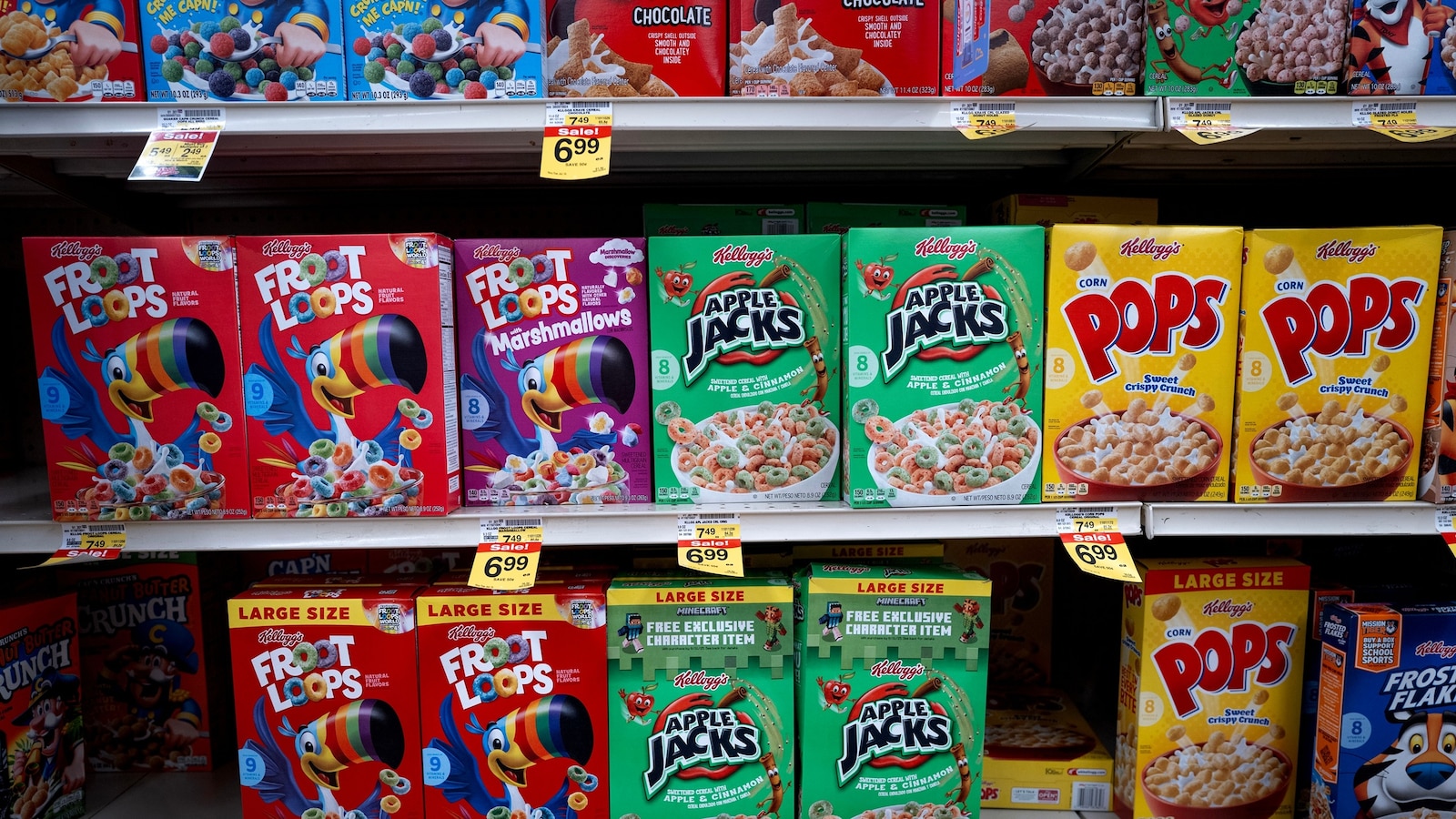
While there’s general agreement among medical experts that natural dyes are preferable to artificial alternatives, some nutrition specialists caution that the focus on food coloring shouldn’t overshadow other, potentially more significant dietary concerns. Several experts have pointed out that when it comes to children’s health, the real culprits might be ingredients that appear in much larger quantities in processed foods: added fats, sugars, and salt. These ingredients have been definitively linked to childhood obesity, diabetes, heart disease, and a host of other serious health conditions that are reaching epidemic proportions among American youth. A brightly colored cereal made with natural dyes instead of Red 40 might seem like a healthier choice, but if it’s still loaded with sugar and offers little nutritional value, it’s not really addressing the core problems with children’s diets. This perspective doesn’t diminish the importance of the FDA’s new labeling guidelines—reducing unnecessary chemical exposure is absolutely worthwhile—but it does serve as a reminder that truly improving American children’s health will require a more comprehensive approach. Parents and policymakers alike need to keep the bigger picture in mind, recognizing that clear labeling is just one tool among many needed to create a food environment that supports rather than undermines the health of the next generation. The conversation around food dyes may be opening doors to broader discussions about food quality, transparency, and the responsibility we all share in creating a healthier future for our children.