


The Fall from Grace: Prince Andrew’s Departure from Royal Lodge
A Historic Move After Two Decades
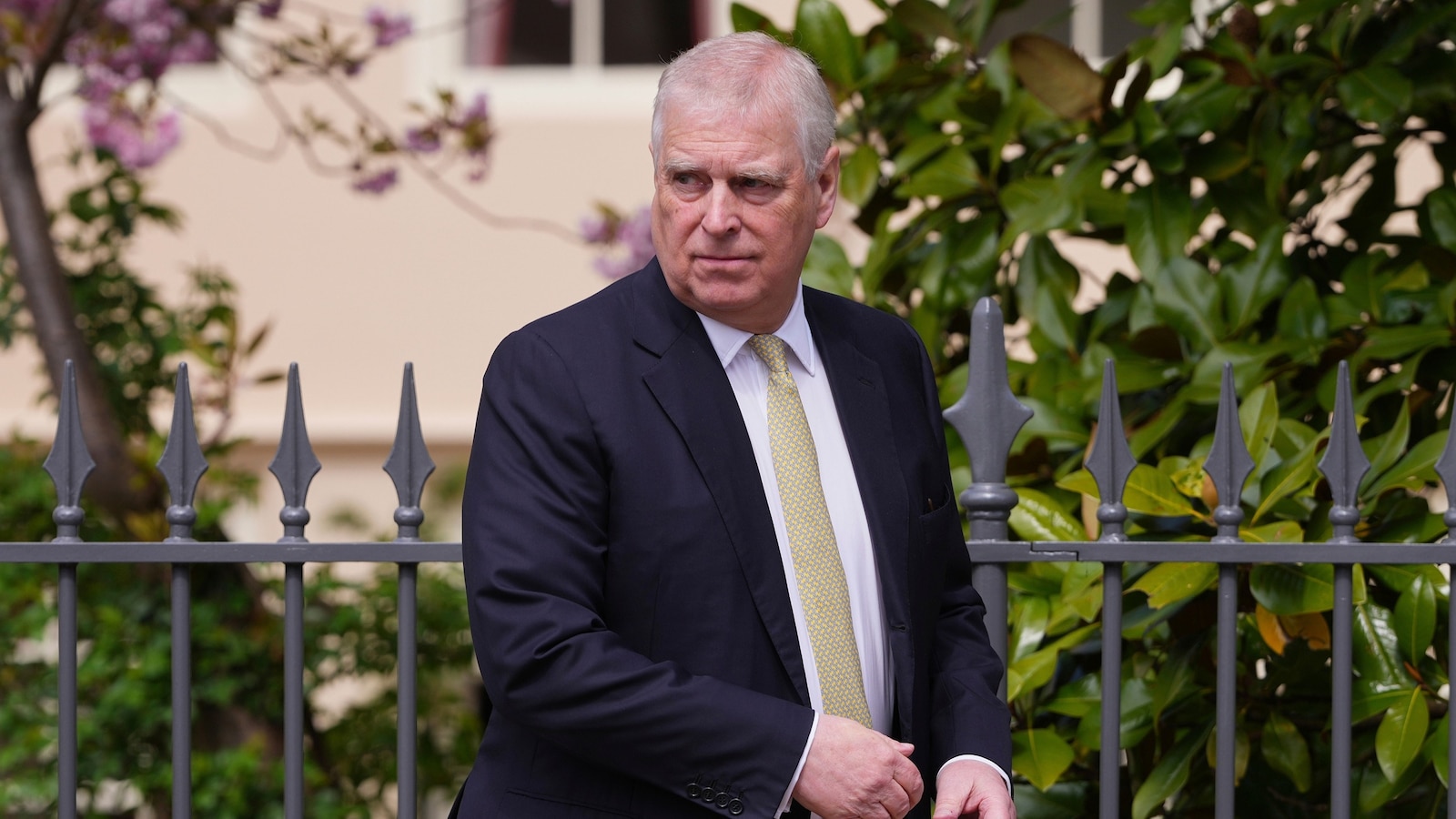
In a significant development that marks another chapter in the ongoing saga surrounding the British royal family, Andrew Mountbatten-Windsor, formerly known as Prince Andrew, has officially vacated Royal Lodge, his home of over twenty years. ABC News has confirmed that the Duke of York’s younger brother to King Charles III is no longer residing at the impressive 30-room mansion situated on the prestigious Windsor Estate grounds. This move represents more than just a change of address; it symbolizes a dramatic fall from grace for someone who was once a senior working member of one of the world’s most famous royal families. The relocation has been carried out with minimal fanfare, though Mountbatten-Windsor was spotted enjoying a horseback ride in Windsor Great Park near his former residence just days before the confirmation of his departure, suggesting he may have been saying a quiet goodbye to the estate that had been his home for more than two decades.
From Windsor to Sandringham: A New Chapter in Norfolk
Mountbatten-Windsor’s new permanent residence will be located on King Charles’s privately owned Sandringham Estate in Norfolk, England, a property that holds special significance for the royal family as one of their preferred private retreats. The move represents a considerable geographic shift, with his new home situated over 100 miles away from the grandeur of Royal Lodge. The Sandringham Estate, while still impressively royal, marks a clear downgrade in terms of prestige and prominence compared to his previous accommodations. The specific property on the Sandringham Estate where he will reside, known as Marsh Farm, offers privacy and distance from the public eye, which may suit Mountbatten-Windsor’s current circumstances. Buckingham Palace has maintained its characteristic discretion regarding the matter, declining to provide any official comment on the relocation. This silence speaks volumes about the delicate nature of the situation and the royal family’s approach to managing what has become an increasingly awkward and damaging association with one of its members.
The Stripping of Titles and Royal Status
The groundwork for this dramatic change in circumstances was laid several months ago when Buckingham Palace made the extraordinary announcement in October that King Charles had initiated formal proceedings to remove Mountbatten-Windsor’s “style, titles and honours,” including his cherished “prince” title. This unprecedented action within the modern royal family demonstrated the seriousness with which the palace views the ongoing scandal and its determination to distance the institution from the former prince. At that time, the palace confirmed that Mountbatten-Windsor would also be required to vacate Royal Lodge, explaining in an official statement that while his lease on the property had previously provided him with legal protection allowing him to continue living there, formal notice had been served requiring him to surrender the lease and relocate to alternative private accommodation. The language used in the statement was carefully chosen, emphasizing both the legal framework of the arrangement and the finality of the decision, leaving no room for interpretation that this was anything other than a mandated move rather than a voluntary choice.
The Epstein Connection: A Shadow That Won’t Fade
The palace’s actions in October and the subsequent relocation cannot be separated from the ongoing fallout related to Mountbatten-Windsor’s relationship with Jeffrey Epstein, the late convicted sex offender whose name has become synonymous with one of the most disturbing criminal scandals in recent memory. The timing of Mountbatten-Windsor’s official departure from Royal Lodge is particularly notable, coming shortly after the U.S. Department of Justice made the decision to publicly release an astounding 3 million pages of documents related to Epstein, who died by suicide in 2019 while awaiting trial on serious charges of sex trafficking minor girls. These documents have provided the public with unprecedented insight into Epstein’s network of connections and the extent of his communications with powerful figures around the world. For the royal family, the release of these documents has reopened wounds and brought renewed scrutiny to Mountbatten-Windsor’s association with the disgraced financier, making it increasingly untenable for him to maintain the trappings of royal life while these connections remain under such intense public examination.
Damning Documents and Continued Communications
The recently released documents have proven particularly damaging to Mountbatten-Windsor’s already tarnished reputation, as his name appears throughout the material in various communications with Epstein that paint a picture of a closer and more enduring relationship than previously acknowledged. Particularly troubling is the evidence of correspondence between the two men in 2010, a time that came after Epstein had concluded a 13-month jail sentence and work release program resulting from a controversial 2008 plea bargain arrangement with federal prosecutors in Florida. This plea deal has itself been the subject of significant criticism, with many arguing that Epstein received extraordinarily lenient treatment given the serious nature of the allegations against him. Even more significantly, the documents reveal that the communications between Mountbatten-Windsor and Epstein continued well beyond the point when the former prince had publicly claimed to have severed all ties with the convicted sex offender. This discrepancy between public statements and documented reality has further eroded whatever credibility Mountbatten-Windsor might have retained, making it increasingly difficult for the royal family to justify his continued presence in any official capacity or prestigious royal residence.
Denial, Silence, and an Uncertain Future
Despite the mounting evidence of his close association with Epstein and the damaging revelations contained in the recently released documents, Mountbatten-Windsor has consistently and repeatedly denied any wrongdoing with respect to his relationship with the convicted sex offender. ABC News has reached out to representatives for Mountbatten-Windsor seeking comment on the latest developments, though as of the time of reporting, no response had been received. This silence from his camp, combined with Buckingham Palace’s refusal to comment on the matter, creates an information vacuum that has been filled with speculation and public criticism. As Mountbatten-Windsor settles into his new, considerably more modest accommodations at Sandringham, the question remains: what does the future hold for someone who was once a working royal prince, a military veteran with distinguished service, and a prominent member of one of the world’s most famous families? The removal of his titles, the loss of his grand residence, and his effective exile from the heart of royal life represent consequences that would have been unimaginable just a few years ago. For King Charles, the decision to take such decisive action against his own brother demonstrates a willingness to prioritize the integrity and reputation of the monarchy over family loyalty—a painful but perhaps necessary choice as the institution seeks to maintain its relevance and respect in the modern era. As for Andrew Mountbatten-Windsor himself, his name will likely forever be associated with one of the darkest scandals to touch the British royal family, a legacy far removed from the dignity and service that royal titles are meant to represent.