


Turning Point USA Announces Alternative Super Bowl Halftime Show Featuring Kid Rock
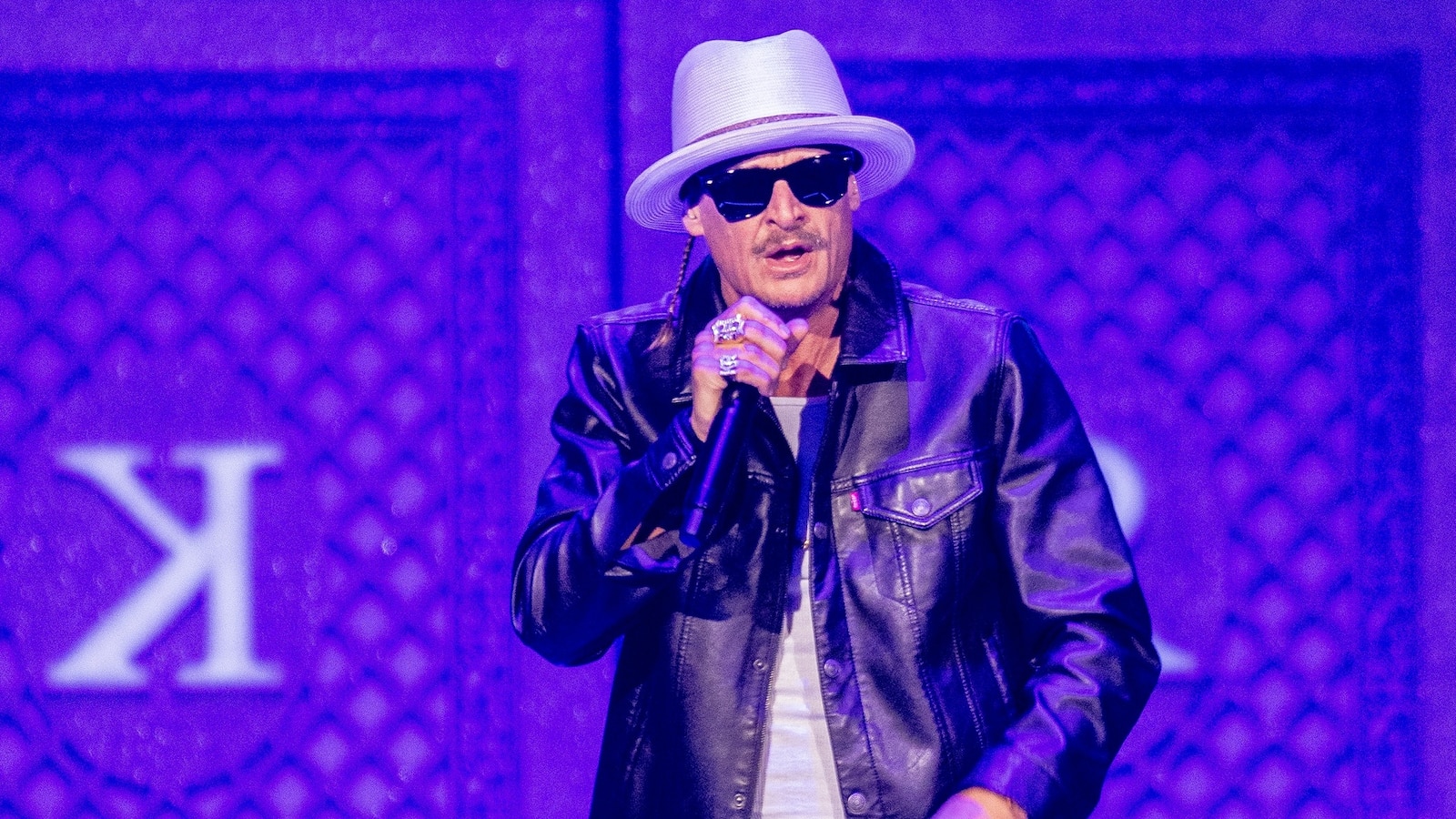
In a bold move that highlights America’s cultural divide, the conservative advocacy organization Turning Point USA (TPUSA) has announced plans to counter-program the official Super Bowl halftime show with their own patriotic alternative. Dubbed “The All-American Halftime Show,” this competing event will feature Kid Rock as the headline performer, going head-to-head with Bad Bunny’s Apple Music Super Bowl Halftime Show on Sunday, February 8, 2026. This announcement represents more than just a musical alternative—it’s become a flashpoint in the ongoing conversation about American identity, culture, and what it means to be patriotic in an increasingly diverse nation.
A Star-Studded Lineup Celebrating Traditional American Values
Turning Point USA isn’t holding back with their alternative programming. Alongside Kid Rock, who has become something of an unofficial spokesman for conservative America in recent years, the streaming event will showcase several prominent country music artists who resonate with traditional American audiences. Brantley Gilbert, known for his hit “Bottoms Up,” will take the stage, as will Lee Brice, whose emotional song “I Drive Your Truck” touched hearts across the country. Rounding out the lineup is Gabby Barrett, the young star behind the uplifting track “I Hope.” According to the press release, this “one-of-a-kind streaming event” aims to celebrate core conservative values: “American faith, family, and freedom.” The show is designed to offer families an alternative viewing option that aligns with what organizers describe as traditional American values, creating a clear contrast with the official NFL halftime entertainment.
The event will be widely accessible, streaming at approximately 8 p.m. Eastern Time on February 8, 2026, across multiple platforms including all Turning Point USA social media channels, Daily Wire+, TBN (Trinity Broadcasting Network), Real America’s Voice, and OANN (One America News Network). This multi-platform approach ensures maximum reach among conservative audiences who may feel disconnected from mainstream entertainment offerings. The strategic timing and distribution suggest TPUSA is serious about making this more than just a symbolic protest—they’re aiming to capture a substantial viewing audience and demonstrate that there’s significant demand for programming that reflects what they consider authentic American culture.
The David and Goliath Narrative
Kid Rock himself leaned into the underdog story when discussing the alternative show, framing the endeavor in biblical terms. “We’re approaching this show like David and Goliath. Competing with the pro football machine and a global pop superstar is almost impossible… or is it?” he said in the release. This framing is particularly clever from a messaging standpoint, positioning the conservative alternative as the scrappy underdog fighting against the establishment—a reversal of the typical political dynamics where conservatives are often painted as the establishment power structure. Kid Rock didn’t stop there, though. He took a not-so-subtle jab at Bad Bunny, adding, “We plan to play great songs for folks who love America.” The implication is clear: the official halftime show doesn’t represent people who love America, at least not in the way Kid Rock and his audience understand patriotism.
Turning Point spokesman Andrew Kolvet elaborated on the organization’s vision, explaining, “We set out to provide an entertainment option that will be fun, excellent, and exciting for the entire family while millions are gathered together for the big game. These performers will deliver exactly that, and we can’t wait to watch the incredible show they’re about to put on.” The emphasis on family-friendly entertainment and togetherness speaks to a perception among many conservatives that mainstream culture has become increasingly hostile to traditional family values. By offering this alternative, TPUSA is positioning itself as a protector of these values, giving families a way to participate in the cultural moment of the Super Bowl while maintaining what they see as their cultural and moral standards.
Months of Conservative Backlash
The announcement of this alternative halftime show didn’t come out of nowhere. Turning Point USA actually announced plans for the counterprogrammed event back in October, shortly after the NFL named Bad Bunny as the official Super Bowl halftime performer. Since then, the decision to feature the global superstar and Grammy winner has generated months of conservative backlash. Much of the criticism centers on Bad Bunny’s identity and artistic choices—he was born in Puerto Rico (making him an American citizen, as Puerto Rico is a U.S. territory), and he sings almost exclusively in Spanish. For his Super Bowl performance, he’s expected to perform in Spanish, which has become a point of contention among critics who believe the halftime show of America’s biggest sporting event should feature English-language performances.
This controversy reflects deeper anxieties within certain segments of American society about demographic and cultural changes. The United States has become increasingly multicultural, with Spanish being the second most spoken language in the country. For some Americans, particularly those who embrace a more traditional, monolingual vision of American identity, a Spanish-language halftime show feels like a rejection of that vision. For others, Bad Bunny’s performance represents the beautiful diversity that has always been part of the American story, particularly given that Puerto Ricans have been U.S. citizens since 1917 and have served in the U.S. military at high rates. The Super Bowl halftime show, watched by over 100 million people, has become a symbolic battleground for these competing visions of American identity.
Bad Bunny’s Outspoken Advocacy
The backlash against Bad Bunny has intensified in recent weeks due to his increasingly outspoken advocacy for immigrants and his criticism of current immigration enforcement policies. During the recent Grammy Awards ceremony, where he won multiple awards including the prestigious Album of the Year, Bad Bunny used his platform to make powerful political statements. While accepting the award for best música urbana album, he made headlines by saying, “Before I say thanks to God, I’m going to say ICE OUT,” referring to Immigration and Customs Enforcement. He continued, “We’re not savages, we’re not animals. We are humans, and we are Americans.” This statement came amid heightened ICE enforcement activities and deportations, issues that have generated significant controversy and divided Americans along political lines.
Bad Bunny didn’t stop there. He called on people to respond to the current political climate with compassion, saying “the only thing that is more powerful than hate is love.” During his Album of the Year acceptance speech, he dedicated the award “to all the people that had to leave their homeland, their country, to follow their dreams,” a statement that resonated with immigrant communities but likely deepened the opposition from those who view his politics as un-American or divisive. These Grammy speeches transformed Bad Bunny from simply a Spanish-language artist into a political figure, making his Super Bowl halftime performance even more symbolically charged. For supporters, he represents courage and the willingness to use celebrity platform for social justice. For critics, including those organizing and supporting the alternative halftime show, he represents exactly what they believe is wrong with contemporary culture—a rejection of traditional American values in favor of what they see as divisive identity politics.
The Broader Cultural Significance
What we’re witnessing in this Super Bowl halftime show controversy is really a microcosm of America’s broader culture wars. Sports have traditionally been viewed as a unifying force in American life, one of the few remaining spaces where people of different backgrounds and political beliefs could come together around shared passion and pride. However, even this space has become increasingly politicized in recent years, from Colin Kaepernick kneeling during the national anthem to debates about transgender athletes to now, arguments about what language the halftime entertainment should be performed in. The fact that a major conservative organization felt compelled to create an entirely separate halftime show speaks to how fractured American culture has become, where even a shared sporting event can’t bring people together for a few hours.
Both sides in this cultural debate genuinely believe they’re defending America and American values. Turning Point USA and the artists participating in the alternative show see themselves as preserving traditional American culture—English language, country music, explicit celebrations of faith, family, and freedom as they understand those concepts. They view the official halftime show as evidence that mainstream institutions have abandoned these values in pursuit of globalism and political correctness. On the other hand, Bad Bunny’s supporters see his performance as a celebration of America’s diversity and the contributions of Latino communities to American culture and society. They view the backlash as rooted in xenophobia and an outdated, exclusionary vision of what it means to be American. The truth, as is often the case, is probably more complex than either narrative suggests, but the Super Bowl halftime show has become a powerful symbol that both sides are using to rally their respective bases. Regardless of which show people choose to watch on February 8, 2026, the mere existence of two competing halftime shows tells us something important about where America is as a nation—divided, passionate, and still searching for common ground.