


Tragedy Strikes Louisiana Lao New Year Celebration: Community Reels After Car Plows Into Festival Parade
A Joyful Celebration Turned to Chaos
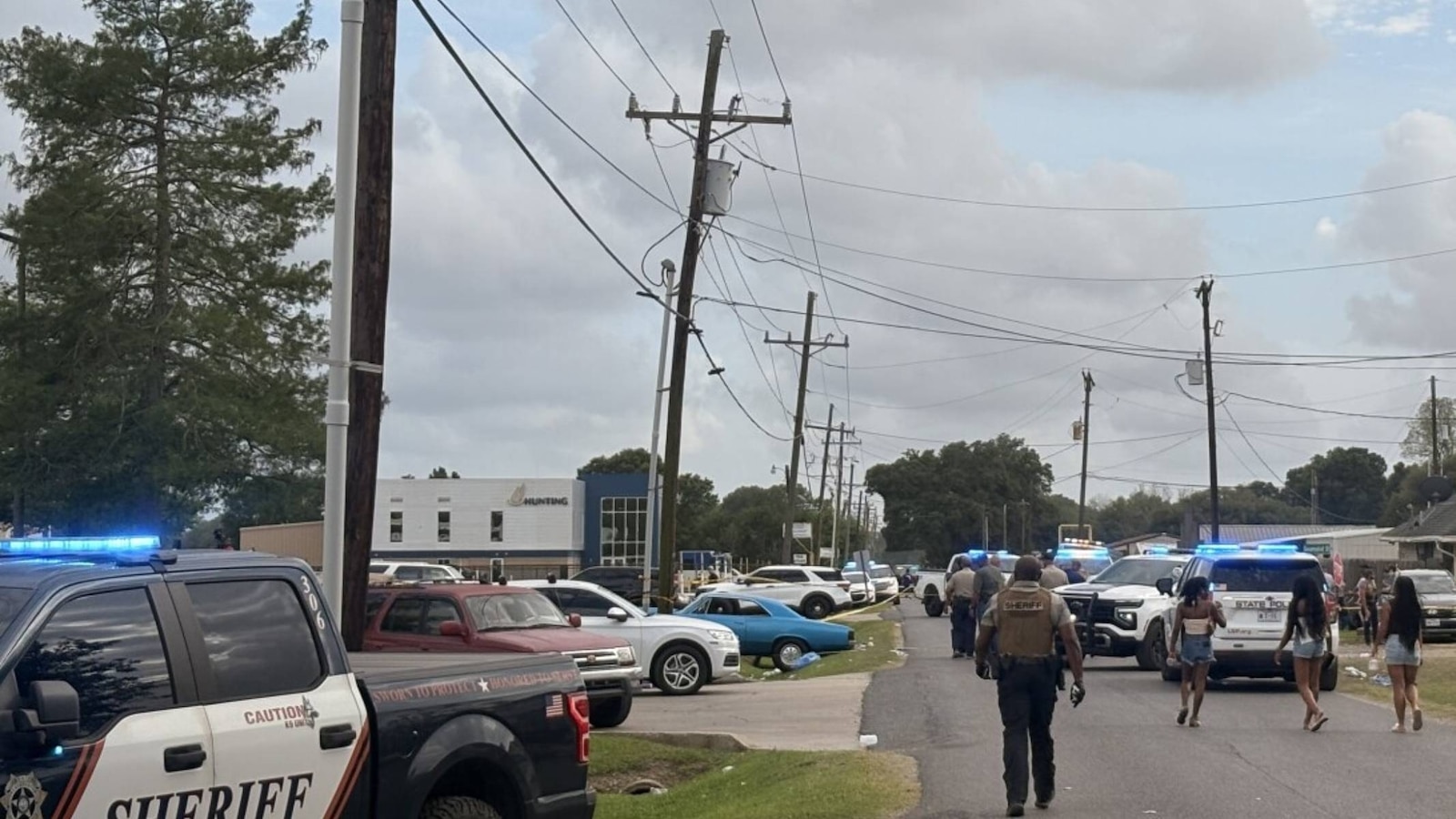
What should have been a day of cultural celebration and community unity turned into a nightmare on Saturday afternoon in Broussard, Louisiana, when a vehicle crashed into a Lao New Year parade, leaving multiple people injured, some critically. The incident occurred around 2:30 p.m. at the intersection of Savannaket Street and Melancon Road, right in the heart of where families had gathered to celebrate this important cultural milestone. The Louisiana Lao New Year Festival, an annual event that brings together the Lao-American community and their neighbors to honor traditions and celebrate heritage, was abruptly halted as emergency services rushed to the scene. What witnesses described as a festive atmosphere filled with music, traditional dance, and the laughter of children enjoying the parade quickly transformed into scenes of confusion and distress as the vehicle struck multiple pedestrians along the parade route.
The Immediate Aftermath and Emergency Response
In the chaotic moments following the crash, emergency responders from across the region mobilized to provide urgent medical care to the victims. Acadian Ambulance, a local emergency medical service provider, reported that at least 13 individuals required immediate hospitalization, with injuries ranging from moderate to severe. The gravity of some injuries was such that two victims needed to be airlifted to medical facilities equipped to handle critical trauma cases, underscoring the serious nature of the incident. The rapid response from local emergency services, law enforcement, and medical personnel demonstrated the coordinated effort that kicks into action when communities face such unexpected tragedies. First responders worked systematically through the scene, triaging victims based on the severity of their injuries and ensuring that those most critically hurt received immediate attention. The local hospitals went into emergency protocols to prepare for the influx of patients, with medical staff called in to ensure adequate coverage for what would be a long and difficult day of treating parade-goers who had simply been enjoying a cultural celebration.
The Driver and the Charges
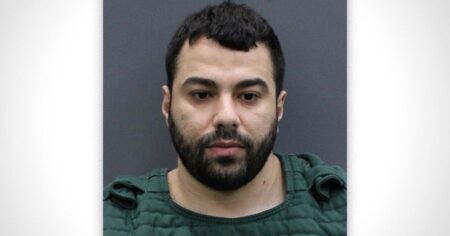
Louisiana State Police identified the driver as 57-year-old Todd Landry from Jeanerette, Louisiana, and quickly moved to charge him with serious offenses that reflect the severity of the incident. Landry faces charges including driving while impaired, 18 counts of first-degree negligent injuring, and additional charges that authorities indicated would be forthcoming as the investigation continues. According to state police, Landry exhibited clear signs of impairment at the scene, and a breath test administered by officers revealed a blood alcohol content that exceeded Louisiana’s legal limit for driving. This revelation added another layer of tragedy to an already devastating situation—the realization that the injuries and trauma inflicted on so many innocent people might have been entirely preventable. The fact that someone chose to get behind the wheel while impaired, during an event where large crowds of pedestrians, including children and elderly community members, were gathered, speaks to the ongoing challenge communities face with impaired driving despite decades of public awareness campaigns and strict legal consequences.
Ruling Out Intentional Harm
In the immediate aftermath of such incidents, particularly in today’s climate where vehicle attacks on crowds have unfortunately become a concern at public gatherings, one of the first questions authorities must address is whether the crash was deliberate. The Iberia Parish Sheriff’s Office moved quickly to reassure the public that their initial investigation did not suggest the crash was intentional, helping to alleviate fears that this might have been a targeted attack on the Lao-American community or their cultural celebration. This determination, while providing some measure of relief that the incident wasn’t a hate crime or act of terrorism, does little to comfort those who were injured or the families of victims. In many ways, knowing that the crash resulted from an impaired driver’s poor decision-making raises its own set of troubling questions about personal responsibility and the ongoing prevalence of drunk driving despite widespread knowledge of its dangers. The community now faces the difficult task of processing not only the trauma of the incident itself but also the senselessness of injuries caused by someone’s decision to drive while intoxicated.
Festival Cancellation and Community Impact
In response to the tragedy, organizers of the Louisiana Lao New Year Festival made the difficult but necessary decision to cancel the remainder of the day’s scheduled events. In their statement, organizers explained that all available security personnel had been redirected to assist at the scene of the incident, leaving them without adequate resources to safely continue the festival. This practical consideration was coupled with the emotional reality that the community was in no state to continue celebrating after such a traumatic event. The Lao New Year, traditionally a time of renewal, reflection, and community bonding, had been overshadowed by tragedy, and continuing with festivities would have been inappropriate given the circumstances. The festival organizers also shared their prayers for the victims and their families, acknowledging the difficulty of the moment and the pain rippling through their tight-knit community. The cancellation represents not just the end of a day’s events, but the disruption of an important cultural touchstone that serves to strengthen community bonds and pass traditions to younger generations—functions that become even more critical for immigrant and diaspora communities maintaining connections to their heritage.
Broader Implications and Moving Forward
This tragic incident in Broussard highlights several ongoing challenges that communities across America continue to face. Despite decades of public education about the dangers of impaired driving, despite strict laws and significant penalties, and despite the availability of alternative transportation options like ride-sharing services, people still make the catastrophic decision to drive while intoxicated. Each year, thousands of Americans are killed or injured in alcohol-related crashes, and incidents like this parade tragedy serve as painful reminders that impaired driving remains a significant public safety threat. For the Lao-American community in Louisiana and beyond, this incident carries additional weight as it disrupted a cultural celebration meant to bring people together in joy and tradition. The road to recovery—both for individual victims and for the community as a whole—will be long and difficult. Physical injuries will heal at varying rates, but the psychological trauma of witnessing or experiencing such an event during what should have been a safe, family-friendly celebration will linger. As the community rallies to support victims and their families, there will undoubtedly be questions about parade safety, about how to prevent similar incidents in the future, and about what this means for future cultural celebrations. Yet there will also be demonstrations of resilience, of community solidarity, and of the determination to not let one person’s terrible decision define or destroy the traditions that bring people together. The coming weeks and months will test this community’s strength, but if history is any guide, they will emerge with bonds strengthened by shared adversity and a renewed commitment to supporting one another through difficult times.