


Austrian Authorities File Terrorism Charges in Foiled Taylor Swift Concert Attack Plot
The Planned Attack and the Suspect
Austrian public prosecutors have formally filed terrorism-related charges against a 21-year-old individual accused of plotting a horrific attack on Taylor Swift’s Vienna concerts scheduled for August 2024. The unnamed defendant allegedly pledged allegiance to the Islamic State terrorist organization and actively worked toward carrying out a mass casualty event that could have resulted in the deaths of countless innocent concertgoers. According to the Vienna public prosecutors’ office, the suspect had been sharing ISIS propaganda materials and videos through various messaging platforms, demonstrating a clear ideological commitment to the extremist group. The defendant’s activities went far beyond mere expressions of support, however, as investigators discovered that he had taken concrete steps toward executing a devastating attack.
The suspect allegedly researched and obtained detailed instructions from the internet on how to construct a shrapnel bomb using triacetone triperoxide, commonly known as TATP, an explosive substance frequently employed by ISIS in previous terrorist attacks around the world. Prosecutors revealed that the defendant had actually succeeded in producing a small quantity of this highly volatile explosive material. Additionally, the individual made multiple attempts to illegally purchase weapons from sources outside Austria and attempted to smuggle them into the country. Omar Haijawi-Pirchner, who heads Austria’s Directorate of State Security and Intelligence, stated at the time of the suspect’s arrest that the individual’s intention was to kill “as many people as possible using the knives or even using the explosive devices he had made.” The suspect, identified by Austrian media as Beran A., was arrested in August 2024 and remains in custody as prosecutors prepare to proceed with the criminal case in Wiener Neustadt, a town located near the Austrian capital.
Multiple Suspects and International Connections
The investigation into the planned attack revealed that this was not the work of a lone individual but rather involved multiple suspects working in coordination. In total, three people were arrested and charged in connection with the terrorist plot targeting Taylor Swift’s Vienna concerts. Among them was a teenage boy who faced prosecution in a German court for his role in the conspiracy. This suspect, identified as Mohammad A., a Syrian national, was convicted last year of preparing a serious act of violence and supporting a terrorist act of violence abroad. The Berlin court sentenced him to 18 months, though the sentence was suspended, reflecting both the seriousness of his involvement and considerations related to his age at the time of the offense.
The existence of multiple suspects across different countries highlights the transnational nature of modern terrorist threats and the sophisticated networks that extremist groups can establish. The fact that these individuals were coordinating across borders and that one suspect was attempting to smuggle weapons into Austria from abroad demonstrates the complex challenges that security services face in detecting and preventing such attacks. The cooperation between Austrian and German authorities in investigating and prosecuting the various suspects involved in this plot illustrates the importance of international collaboration in counterterrorism efforts. While the main suspect remains in custody in Austria facing the most serious charges, the prosecution of accomplices in other jurisdictions ensures that all those involved in planning this potential atrocity face appropriate legal consequences for their actions.
The Difficult Decision to Cancel the Concerts
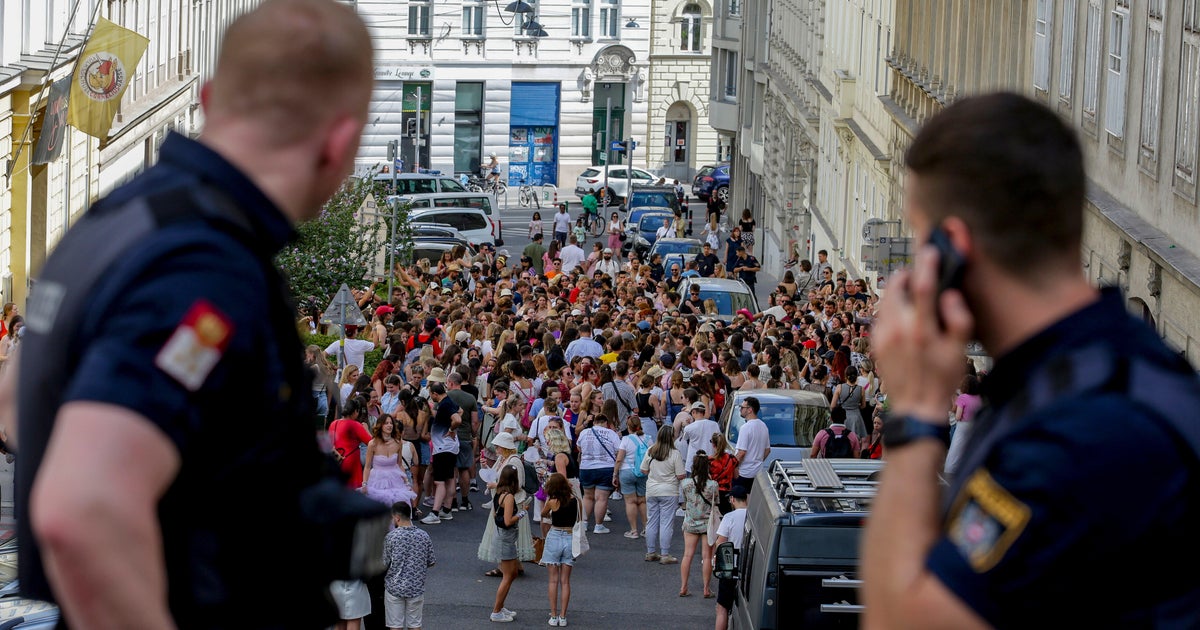
Austrian authorities made the difficult but necessary decision to cancel all three of Taylor Swift’s planned concerts in Vienna in August 2024 after determining that they had successfully disrupted an active terrorist plot targeting these events. The cancellations came as a devastating blow to the massive number of fans who had been eagerly anticipating the performances, many of whom had made significant financial and logistical arrangements to attend. Concert organizers had anticipated that approximately 65,000 fans would be inside the Ernst Happel Stadium for each performance, with an additional 30,000 onlookers expected to gather outside the venue. This meant that potentially 95,000 people could have been present at each concert, creating an enormously vulnerable target for anyone intent on causing mass casualties.
The decision to cancel was not made lightly, as authorities balanced the disappointment and economic impact of the cancellations against the very real threat to public safety. Tens of thousands of Swift’s dedicated fans, many of whom had traveled to Vienna from other parts of Austria or from abroad specifically to see these shows, were left heartbroken by the news. The Eras Tour had become a cultural phenomenon, with fans spending considerable sums on tickets, travel, accommodations, and concert-related merchandise. For many, attending a Taylor Swift concert represented a once-in-a-lifetime experience that they had planned for months. However, the specific and credible nature of the threat meant that allowing the concerts to proceed would have been unconscionable, potentially exposing massive crowds to a terrorist attack that could have resulted in unprecedented casualties and trauma.
American Intelligence Cooperation
The successful disruption of this terrorist plot was made possible in large part due to crucial intelligence sharing between the United States and Austria. American intelligence agencies provided information to their Austrian counterparts that proved instrumental in identifying the threat and enabling authorities to act before the planned attack could be carried out. This intelligence cooperation exemplifies the vital importance of international partnerships in combating terrorism, particularly as extremist groups operate across borders and target high-profile events that attract international audiences. Then-White House national security spokesman John Kirby publicly acknowledged America’s role in August 2024, stating, “The United States has an enduring focus on our counterterrorism mission. We work closely with partners all over the world to monitor and disrupt threats. And so as part of that work, the United States did share information with Austrian partners to enable the disruption of a threat to Taylor Swift’s concerts there in Vienna.”
This statement highlighted the ongoing commitment of U.S. intelligence services to identifying and helping prevent terrorist attacks worldwide, regardless of where they might occur. The fact that American agencies were monitoring potential threats to a concert series in Europe demonstrates the global reach of modern intelligence operations and the interconnected nature of security concerns in an era where celebrities, particularly those of Taylor Swift’s enormous international stature, can become targets for those seeking to maximize casualties and global media attention. The cooperation between the U.S. and Austria in this case likely saved countless lives and prevented what could have been one of the most devastating terrorist attacks on a concert venue since the 2017 Manchester Arena bombing that targeted an Ariana Grande performance, killing 22 people and injuring more than 1,000 others.
The Broader Context of Terrorist Threats to Public Events
The foiled attack on Taylor Swift’s Vienna concerts represents part of a disturbing pattern of terrorist groups targeting concerts, sporting events, and other large public gatherings where security screening is challenging and casualties can be maximized. These venues represent what security experts call “soft targets”—locations where large numbers of people congregate in spaces that are difficult to fully secure without fundamentally changing the nature of the event itself. The Islamic State and similar extremist organizations have long recognized that attacks on such venues generate enormous media attention, create widespread fear, and strike at the heart of Western cultural life by making people afraid to participate in normal social activities.
The use of TATP, the explosive allegedly produced by the Vienna suspect, is particularly concerning to security officials. This substance has been used in numerous high-profile terrorist attacks because it can be manufactured from commercially available ingredients, though the process is extremely dangerous and unstable. The explosive has been employed in attacks including the 2015 Paris attacks, the 2016 Brussels bombings, and the 2017 Manchester Arena bombing, among others. The fact that the Vienna suspect had successfully produced some quantity of this material indicates that the threat was serious and imminent, justifying the decision to cancel the concerts despite the massive disappointment this caused. Moving forward, this incident will likely lead to enhanced security measures at major concert venues throughout Europe and beyond, as event organizers and security services work to prevent similar attacks while still allowing people to safely enjoy live performances and public gatherings that are such an important part of cultural life.
Justice Proceeding and the Path Forward
As the legal process moves forward with the main suspect facing terrorism charges in Wiener Neustadt, this case serves as a sobering reminder of the persistent threat posed by extremist ideologies and the individuals they inspire to violence. The prosecution of this case will likely provide additional insights into how the plot was conceived, how the suspects communicated and coordinated their efforts, and what specific timeline they were working toward for executing the attack. These details will be crucial for security services as they work to identify similar threats in the future and develop more effective prevention strategies. The fact that the suspect remains in custody ensures that he cannot pose an immediate threat to public safety while the legal proceedings continue.
For Taylor Swift’s fans who had their Vienna concert experience taken from them by this terrorist plot, the incident serves as a painful reminder that the threat of extremist violence continues to cast a shadow over everyday life and cultural events. However, it’s important to recognize that the successful disruption of this attack also demonstrates that security services, when equipped with good intelligence and enabled by international cooperation, can protect the public from those who would do harm. While the concerts were canceled, the alternative—allowing them to proceed and potentially facing a catastrophic attack—would have been immeasurably worse. As this case proceeds through the Austrian legal system, it stands as testimony both to the ongoing vigilance required to counter terrorism and to the resilience of societies that refuse to allow fear to permanently curtail the public gatherings, artistic performances, and shared cultural experiences that define free and open societies.