


The U.S.-Israel Conflict with Iran: A Detailed Look at Two Weeks of Warfare
Understanding the Scale of the Conflict
The Middle East has once again become a theater of intense military conflict as the United States and Israel engage in warfare with Iran, now entering its troubling second week. What began as a regional dispute has rapidly escalated into a full-scale military confrontation that has captured global attention and raised serious concerns about stability in one of the world’s most volatile regions. The human cost of this conflict is already staggering, with casualties mounting on both sides and the potential for further escalation remaining dangerously high. According to official sources from the U.S. Defense Department, seven American service members have lost their lives in combat operations, representing a sobering reminder of the personal sacrifices being made by military personnel. Meanwhile, Iranian government officials report a devastating toll on civilian populations, claiming that more than 1,300 civilians have perished in the fighting. However, it’s important to note that CBS News has been unable to independently verify this figure, highlighting the challenges of obtaining accurate information in active conflict zones where propaganda and information control are common tactics employed by all sides.
The Intensity of Military Operations
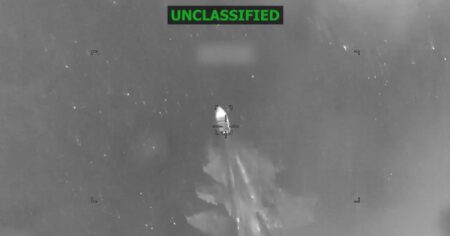
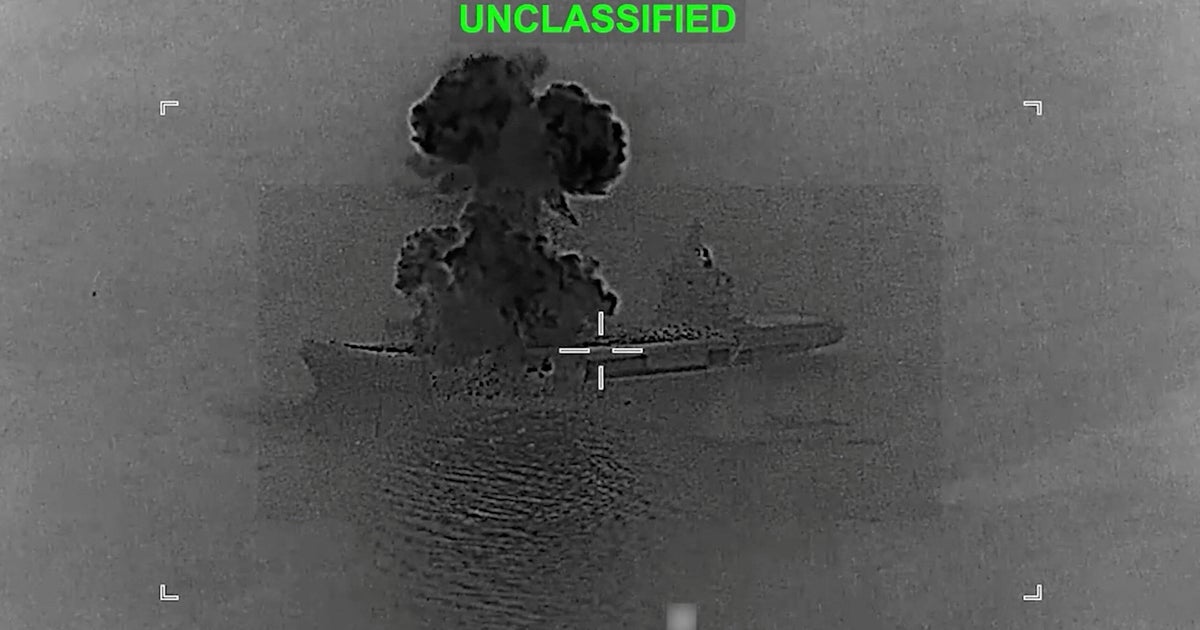
The sheer scale of military operations conducted during just the first ten days of this conflict is breathtaking and unprecedented in recent Middle Eastern conflicts. According to statements released by U.S. Central Command, coalition forces have struck over 5,000 targets across the region, demonstrating the intensity and scope of the military campaign. This represents an average of 500 strikes per day—a pace of operations that reflects both the technological capabilities of modern warfare and the determination of the coalition forces to achieve their military objectives. Additionally, the naval dimension of this conflict has been particularly significant, with U.S. Central Command reporting that approximately 50 Iranian vessels have been either damaged or completely destroyed during this period. This targeting of Iran’s maritime capabilities suggests a strategic effort to limit Iran’s ability to project power in the Persian Gulf and surrounding waters, areas where Iran has historically maintained significant influence and through which a substantial portion of the world’s oil supplies travel. The destruction of these vessels represents not only a tactical victory for coalition forces but also a significant blow to Iran’s military infrastructure and its ability to conduct naval operations.
Mapping the Battlefield
Understanding the geographic spread of this conflict is crucial to grasping its full implications for regional stability and international security. CBS News, working in collaboration with various research institutions including the Institute for the Study of War and the Associated Press, has compiled comprehensive data on the locations of strikes carried out by all parties involved in the conflict. This collaborative effort combines official government reports, military research, visual verification of satellite imagery, and on-the-ground reporting to create the most accurate picture possible of where military operations are taking place. The resulting map reveals that strikes have been conducted across multiple locations throughout the region, suggesting that this is not a localized skirmish but rather a geographically dispersed conflict affecting multiple countries and territories. The targets hit by U.S., Israeli, and Iranian forces paint a picture of a multifaceted military campaign where each side is attempting to degrade the other’s military capabilities while potentially targeting infrastructure and strategic assets. This geographic analysis helps us understand not just where the fighting is happening, but also reveals the strategic thinking behind target selection and the broader military objectives each side is pursuing.
The Human Cost and Information Challenges
Beyond the statistics and military terminology lies a deeply human tragedy unfolding across the Middle East. The reported death of seven U.S. service members represents seven families who have lost loved ones, seven communities mourning their fallen, and seven individual stories of service and sacrifice. Each of these casualties reminds us that behind every military operation are real people—sons, daughters, parents, and friends—who have paid the ultimate price. On the Iranian side, the reported civilian death toll of over 1,300 people is even more alarming, representing an enormous humanitarian catastrophe if these numbers are accurate. These would be ordinary people—men, women, and children—caught in the crossfire of a conflict not of their making, their lives cut short by the decisions of political and military leaders. However, the fact that CBS News cannot independently verify these casualty figures highlights one of the persistent challenges in modern warfare: the difficulty of obtaining accurate, unbiased information from conflict zones. In an era of sophisticated propaganda, information warfare, and restricted media access, determining the truth about casualties, damage, and military effectiveness becomes increasingly complicated. All parties to a conflict have incentives to either inflate or deflate casualty figures depending on their strategic messaging goals, making independent verification by credible news organizations more important than ever, even when such verification proves impossible.
Military Strategy and Tactical Objectives
The pattern of strikes and the types of targets being hit reveal important information about the military strategies being employed by all sides in this conflict. The U.S. and Israeli focus on such a high number of targets—over 5,000 in just ten days—suggests a strategy of overwhelming force designed to rapidly degrade Iran’s military capabilities while potentially breaking the will of Iranian leadership to continue fighting. This approach, sometimes called “shock and awe,” aims to achieve decisive results quickly by demonstrating superior military power. The specific targeting of Iranian naval vessels indicates a clear strategic objective: limiting Iran’s ability to threaten shipping lanes, project power in the Persian Gulf, or potentially interfere with international maritime traffic through critical chokepoints like the Strait of Hormuz. For Iran, the conflict represents both a military challenge and a test of its ability to withstand pressure from militarily superior adversaries. Iranian strategy likely focuses on leveraging asymmetric warfare capabilities, including proxy forces throughout the region, missile strikes against coalition targets, and potentially cyber operations designed to inflict costs on their adversaries without engaging in conventional battles they would likely lose. The verification work being done by organizations like the Institute for the Study of War helps analysts understand these tactical patterns and predict potential future moves by examining the types of facilities being struck and the geographic distribution of attacks.
Broader Implications and the Path Forward
As this conflict enters its second week with no clear end in sight, the international community watches with growing concern about the potential for further escalation and regional destabilization. The Middle East has long been a region where local conflicts can quickly draw in outside powers and spread beyond their initial boundaries, and this current war carries all those dangerous possibilities. The high casualty figures, both military and civilian, raise urgent questions about the proportionality of force being used and the humanitarian obligations of all parties to protect non-combatants. The involvement of the United States in direct combat operations, evidenced by the deaths of seven service members, represents a significant commitment of American military power and raises questions about the legal authorization for such operations, the strategic objectives being pursued, and the potential duration of American involvement. For regional stability, the destruction of Iranian military capabilities, particularly naval assets, may temporarily reduce Iran’s ability to threaten its neighbors but could also fuel resentment and desire for retaliation that perpetuates cycles of violence for years to come. The challenge facing international diplomats and peacemakers is how to find an off-ramp from this conflict that addresses legitimate security concerns while preventing the complete devastation of Iran’s infrastructure and the continued loss of innocent civilian lives. As data collection and verification efforts continue, providing the public with accurate information about the scope and conduct of this war, we are reminded that behind every statistic is a human story, and that the ultimate goal must be returning to peace and preventing such conflicts in the future.