


Jimmy Lai Sentenced to 20 Years: A Heartbreaking Blow to Press Freedom in Hong Kong
A Harsh Sentence for a Vocal Critic
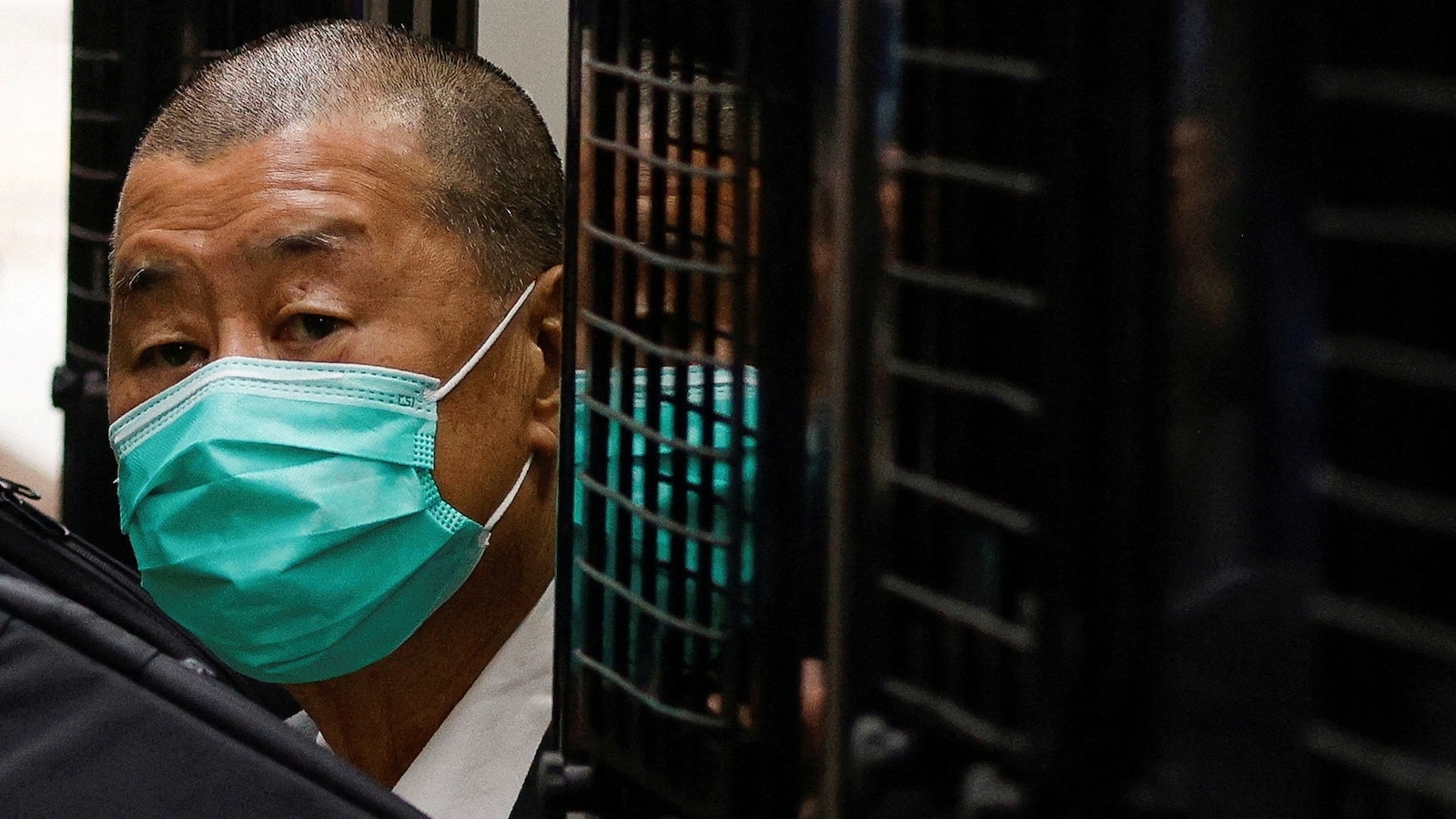
In a development that has sent shockwaves through the international community, Jimmy Lai, the 78-year-old media mogul and outspoken critic of the Chinese government, has been sentenced to 20 years in prison by a Hong Kong court. The charges against him—sedition and conspiracy to collude with foreign forces—carry what his son Sebastien described as a “heartbreaking” penalty under Hong Kong’s controversial national security law. Lai had maintained his innocence throughout the proceedings, pleading not guilty to all charges. This sentence represents the most severe punishment handed down under the sweeping national security legislation that Beijing imposed on Hong Kong in 2020 as part of its broader crackdown on dissent and democratic movements in the city. Given Lai’s advanced age, this 20-year sentence essentially means he could spend the rest of his life behind bars, a reality that has left his family devastated and the international community deeply concerned about the state of human rights and press freedom in what was once one of Asia’s most vibrant democracies.
A Somber Day in Court
The atmosphere outside the West Kowloon Magistrates’ Court on the day of sentencing was markedly different from what Hong Kong residents would have witnessed just a few years ago. Where large, spirited crowds once gathered to show solidarity with pro-democracy figures, the scene was now subdued and tense. A heavy police presence controlled the perimeter, carefully managing both media access and the small number of supporters who had queued to witness the proceedings. Inside the courtroom, the emotional toll of the moment was palpable. Teresa Lai, Jimmy’s wife, emerged from the courthouse visibly shaken, fighting back tears behind her large black sunglasses after watching her husband stand expressionless in the dock as the judge delivered his sentence. The convoy of correctional services vehicles that transported Lai to and from court served as a stark reminder of how dramatically Hong Kong’s political landscape has transformed. What was once a city known for its robust civil liberties and independent judiciary has become a place where voicing opposition to Beijing can result in decades behind bars.
A Life Built on Freedom, Now Confined
Understanding who Jimmy Lai is helps explain why this case has garnered such international attention and why his imprisonment represents more than just one man’s fate. Lai’s personal story is one of remarkable transformation—from poverty to prosperity, from refugee to champion of democracy. As he explained in a September 2020 interview with ABC News conducted at his home while he was out on bail, Lai escaped from mainland China at just 12 years old with only a dollar to his name. Hong Kong became the place that gave him everything: opportunity, success, and freedom. He built a media empire that included Apple Daily, a newspaper known for its critical coverage of the Chinese Communist Party and its advocacy for democratic values. For Lai, speaking out against authoritarianism and defending the people of Hong Kong wasn’t just political activism—it was personal. “This place gave me everything. My reward is to pay back. It’s my redemption,” he told ABC News. That sense of obligation to defend the freedoms that had allowed him to thrive is what drove him to continue his work even as the risks became increasingly clear, and it’s ultimately what led to his current imprisonment.
International Outcry and Diplomatic Implications
The reaction to Lai’s sentencing has been swift and forceful from the international community, particularly from Western democracies that view his case as emblematic of Hong Kong’s declining freedoms. Human Rights Watch didn’t mince words, describing the 20-year sentence as “effectively a death sentence” given Lai’s age and health concerns. Amnesty International called it “another grim milestone in Hong Kong’s transformation from a city governed by the rule of law to one ruled by fear.” The United Kingdom, where Lai holds citizenship, has been particularly vocal in its condemnation. Foreign Secretary Yvette Cooper called on Hong Kong authorities to release Lai “on humanitarian grounds,” and the UK government has committed to intensifying its engagement with Beijing on this matter. Even former U.S. President Donald Trump, not typically known for championing human rights causes abroad, revealed in December that he had personally asked Chinese President Xi Jinping to consider Lai’s release. Current U.S. Ambassador to China David Perdue has confirmed that Lai’s case remains part of “ongoing discussions” with Chinese officials, indicating that the matter has become a point of diplomatic friction between Washington and Beijing.
A Family’s Hope Amid Despair
For Sebastien Lai and the rest of Jimmy Lai’s family, the sentencing brings a painful clarity to what had been an agonizing period of uncertainty. “Even though it was expected, it’s still quite a hard reality to have to deal with,” Sebastien said following the verdict. The family had long feared that the elder Lai might die in prison, and with this sentence, that possibility has become disturbingly concrete. Yet even in this dark moment, Sebastien clings to hope that geopolitical considerations might yet secure his father’s freedom. He notes that now that the case has concluded its journey through Hong Kong’s judicial system, China might see releasing his father as a way to improve relations with both the United Kingdom and the United States. The timing could be significant—President Trump is scheduled to visit China in April, and Sebastien believes this diplomatic moment represents a crucial opportunity. “There’s no upside in what China is doing to dad and there are very real consequences if he dies in there. That April visit is key,” he explained. Sebastien’s plea to the American public reflects his understanding of his father’s values: “I’m sure many Americans would want to have done what my father did in standing for freedom and defending his people. And for that heroism he is being tortured and sentenced to life in prison.”
Two Contrasting Narratives
The stark divide in reactions to Lai’s sentencing illustrates the fundamental disagreement between Beijing and Western democracies about basic principles of governance, freedom, and justice. While international human rights organizations, democratic governments, and press freedom advocates have condemned the sentence as unjust and disproportionate, officials in Beijing and Hong Kong have offered a completely different narrative. Hong Kong’s leader, John Lee, didn’t express any concern about the harshness of the sentence; instead, he stated that Lai deserved the 20-year prison term for his “evil deeds.” China’s foreign ministry similarly defended the punishment as “legitimate and reasonable.” This chasm in perspective reflects the broader tension that has defined Hong Kong’s recent history. What Beijing views as necessary measures to restore order and protect national security, much of the world sees as the systematic dismantling of the freedoms and autonomy that made Hong Kong unique. The national security law under which Lai was convicted has been the primary tool in this transformation, allowing authorities to prosecute activists, journalists, and politicians for activities that in most democracies would be considered protected speech and peaceful political participation. As Jimmy Lai begins what may well be the final chapter of his life behind bars, his case serves as a sobering reminder of the price some pay for championing democratic values in an increasingly authoritarian environment, and it raises urgent questions about Hong Kong’s future and the international community’s ability to defend human rights in the face of great power politics.