



Navigating Menopause: What Women Need to Know About Products and Promises
The Marketing Storm Targeting Menopausal Women
Women going through menopause and perimenopause today find themselves in an unprecedented situation. While dealing with challenging symptoms like hot flashes, night sweats, mood swings, and sleep disturbances—not to mention watching their appearance change in the mirror—they’re simultaneously being hit from all sides by aggressive marketing campaigns. Social media has turbocharged the promotion of countless products, from facial serums and light masks to dietary supplements and high-tech gadgets, all claiming to be the answer to their menopausal struggles. Dr. Nanette Santoro, an OB-GYN professor at the University of Colorado Anschutz, observes that the marketing landscape has become “very, very aggressive” and “pervasive.” This onslaught coincides with more open conversations about menopause and perimenopause, which is positive, but it also creates confusion about what actually works. Medical professionals are urging women to pause before opening their wallets to these persuasive promises and instead have honest conversations with their doctors about evidence-based treatments. The fundamental message from healthcare providers is clear: approach these products with healthy skepticism and prioritize medical guidance over marketing hype.
Understanding What’s Actually Happening During Menopause
To make informed decisions about treatment, it helps to understand what’s actually happening in the body during this transition. As menstruation winds down, women’s bodies produce decreasing levels of estrogen and progesterone, the hormones that have regulated their reproductive systems for decades. This hormonal shift affects different women in vastly different ways. Some sail through with minimal discomfort, while others experience a constellation of symptoms that can significantly impact their quality of life. The most common complaints include hot flashes, night sweats, mood changes, vaginal dryness, and sleep problems. Dr. Monica Christmas, director of the menopause program at the University of Chicago Medicine, emphasizes that there’s no one-size-fits-all experience—some women get few or no symptoms, while others are profoundly affected by multiple issues. The conversation around menopause has shifted dramatically in recent years. Dr. Angela Angel, an OB-GYN with Texas Health Presbyterian Hospital Dallas, notes that whereas doctors used to routinely ask women around age 50 about symptoms during annual exams, now patients are proactively scheduling separate appointments specifically to discuss menopause. They’re coming in better informed but also sometimes confused, having already tried various products they’ve seen advertised online or recommended by influencers, only to find them ineffective or discover they’ve caused unwanted side effects.
The Reality Check on Popular Products
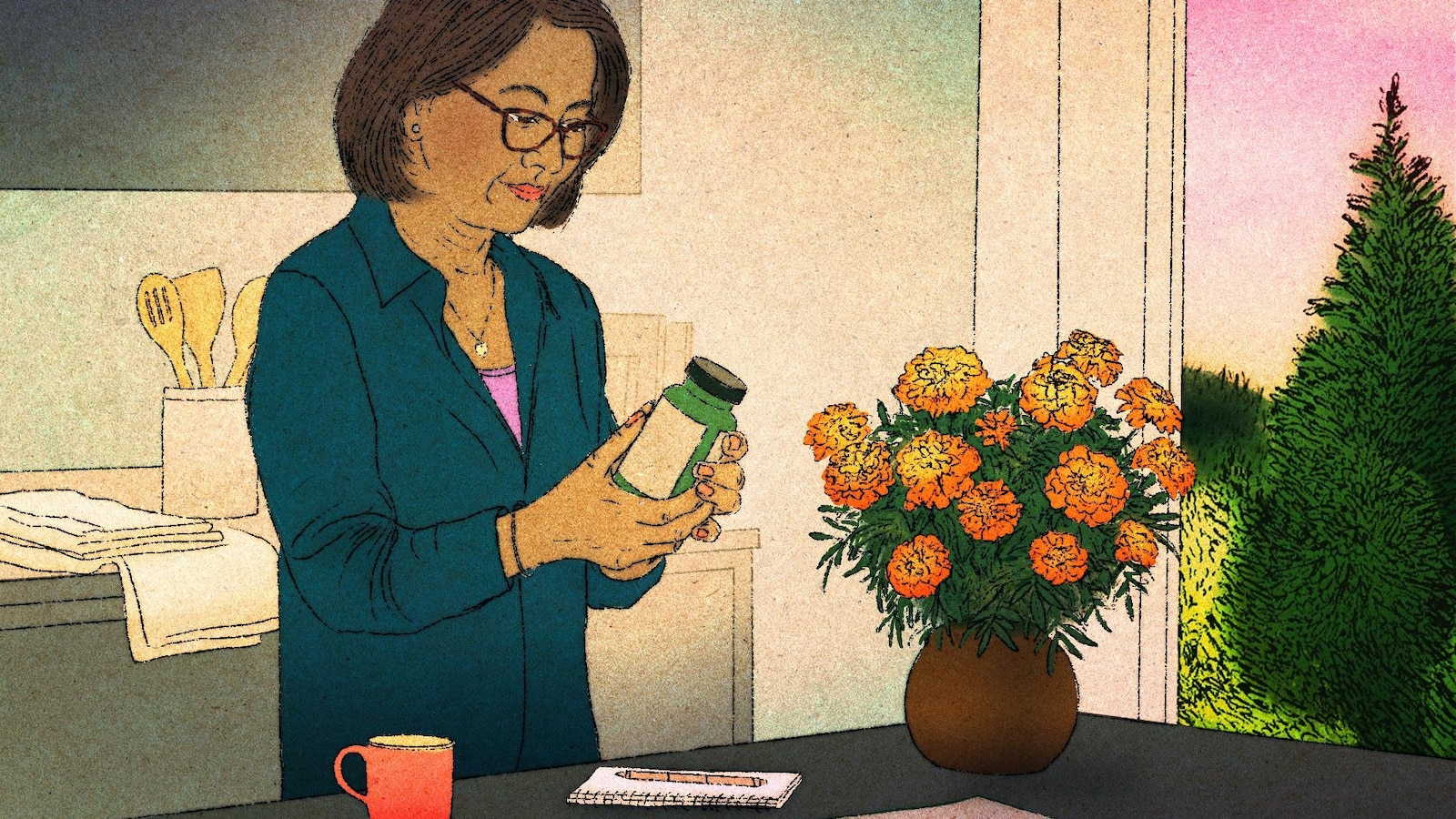
The marketplace is flooded with products targeting menopausal women, ranging from the relatively inexpensive to the quite costly. There are bracelets and rings claiming to ease hot flashes, cooling blankets and specialized bedding, dietary supplements promising everything from mood enhancement to symptom relief, and elaborate skincare routines marketed specifically for “menopausal skin.” Dr. Santoro’s practical advice is to consider the cost-benefit ratio: if it’s a $20 bracelet, the financial risk is minimal, and if it provides some relief—even if partly through placebo effect—it might be worth trying. However, she cautions that when women want something that truly works, they should return to their doctor for evidence-based treatment. A crucial point that doctors emphasize is that many over-the-counter products marketed specifically for menopausal women aren’t actually different from regular products in terms of ingredients. The “menopause” label is often just clever marketing rather than specialized formulation. Dietary supplements, while popular, haven’t been proven effective for hot flashes in multiple well-designed studies, though Santoro notes they’re often low-cost with low potential for harm. The key is communication—if a patient wants to try something they’ve seen online, they should at least inform their doctor so they can be monitored for any adverse effects or interactions with other medications. Some products can indeed have side effects, making medical oversight important even for seemingly harmless over-the-counter options.
What Actually Works: Evidence-Based Solutions
When it comes to treatments that have solid scientific backing, doctors point to several options. Hormone therapy prescribed by a physician can be highly effective for managing symptoms, as can nonhormonal prescription medications. However, not everyone is a candidate for hormone therapy—women with certain medical histories may be advised to avoid it. As Dr. Angel emphasizes, “Not everybody needs hormone therapy, not everyone is a candidate for hormone therapy, not everybody should be on hormone therapy.” The decision requires individual assessment by a healthcare provider who knows the patient’s complete medical history. Beyond prescription treatments, lifestyle modifications can make a significant difference. Regular exercise and a healthy diet aren’t just generic advice—they’re proven strategies that can help with weight loss, which is specifically associated with reducing hot flashes and night sweats. Avoiding alcohol is another practical step, as it can trigger or worsen hot flashes. Dr. Christmas offers reassuring perspective: “Many of the symptoms actually get better over time, so sometimes it really is just a matter of lifestyle modifications and self-care and getting through this most tumultuous time frame.” For real women navigating this journey, finding the right approach often involves trial and a partnership with healthcare providers. Brandi McGruder, a 49-year-old school librarian from Dallas, experienced a telling moment at a birthday dinner when she went from freezing cold to burning up within twenty minutes. Recognizing perimenopause, she made a doctor’s appointment and was prescribed an estrogen patch that helped manage her symptoms. Despite seeing countless advertisements for menopause products, her first instinct was to consult her doctor—a choice that led to effective relief. Her advice to other women reflects a healthy attitude: “Laugh. It’s OK. Reach out to others experiencing what you are going through, don’t take it so serious.”
The Truth About Skin Care During Menopause
The changes women notice in their skin during this time come from two simultaneous processes: natural aging and menopause-specific changes. During menopause, skin becomes less thick due to loss of collagen and hyaluronic acid, the substances that provide structural support and plumpness. Dr. Melissa Mauskar, a dermatologist and associate professor at UT Southwestern Medical Center in Dallas, offers practical, evidence-based guidance for addressing these changes. She recommends prescribed retinoids or over-the-counter retinol products, which help stimulate collagen production and reduce the appearance of wrinkles. For moisturizers, she advises looking for drugstore options containing ceramides, which help keep skin hydrated—no need for expensive specialty products. Her important caution: avoid products with too many additive ingredients, and don’t assume that “natural” or “botanical” means better. Many of these ingredients are actually contact allergens that can increase skin sensitivity. Regarding trendy products marketed to menopausal women, Dr. Mauskar provides reality checks on several popular items. Ingestible collagen supplements are heavily marketed, but studies show mixed results, and consuming collagen “doesn’t mean that it’s going to make its way to your skin and plump up your face,” despite what product claims suggest. Light masks won’t cause harm and some studies indicate potential benefits, but they won’t produce overnight miracles—any improvements would require daily use over many years. She emphasizes that sun damage is one of the biggest contributors to wrinkles, making consistent sunscreen use essential at all ages. Her overall philosophy: “I think there’s a lot of new fancy things coming out and targeted to perimenopause, menopause patients, but sometimes the tried and true things that we at least have the science for I think still are my kind of gold standard for my patients.”
Taking Control: A Balanced Approach to Menopause Management
The key to successfully navigating menopause in today’s product-saturated environment is finding balance between being open to solutions and maintaining healthy skepticism. The increased conversation around menopause is unquestionably positive—women no longer need to suffer in silence or feel that their symptoms are shameful or just something to endure. However, this openness has created opportunities for companies to exploit women’s discomfort and concerns about aging, sometimes offering expensive solutions with little scientific backing. The most empowering approach is to become an informed consumer and proactive patient. This means researching products but weighing that information against medical evidence, being willing to try affordable, low-risk options while keeping expectations realistic, and most importantly, maintaining an ongoing dialogue with healthcare providers. Doctors have access to treatments that actually work and can help navigate the overwhelming array of choices, separating genuine solutions from marketing hype. They can also monitor for potential problems and adjust treatment plans as symptoms evolve over time. Menopause is a natural transition, not a disease to be cured or a problem to be fixed with the right purchase. While symptoms can be genuinely challenging and deserve effective treatment, they’re also temporary for most women. Approaching this life stage with self-compassion, humor, connection with others going through similar experiences, and partnership with knowledgeable healthcare providers offers the best path forward. The goal isn’t to turn back time or eliminate every symptom at any cost, but to manage discomfort effectively while embracing this new chapter with realistic expectations and evidence-based support.