


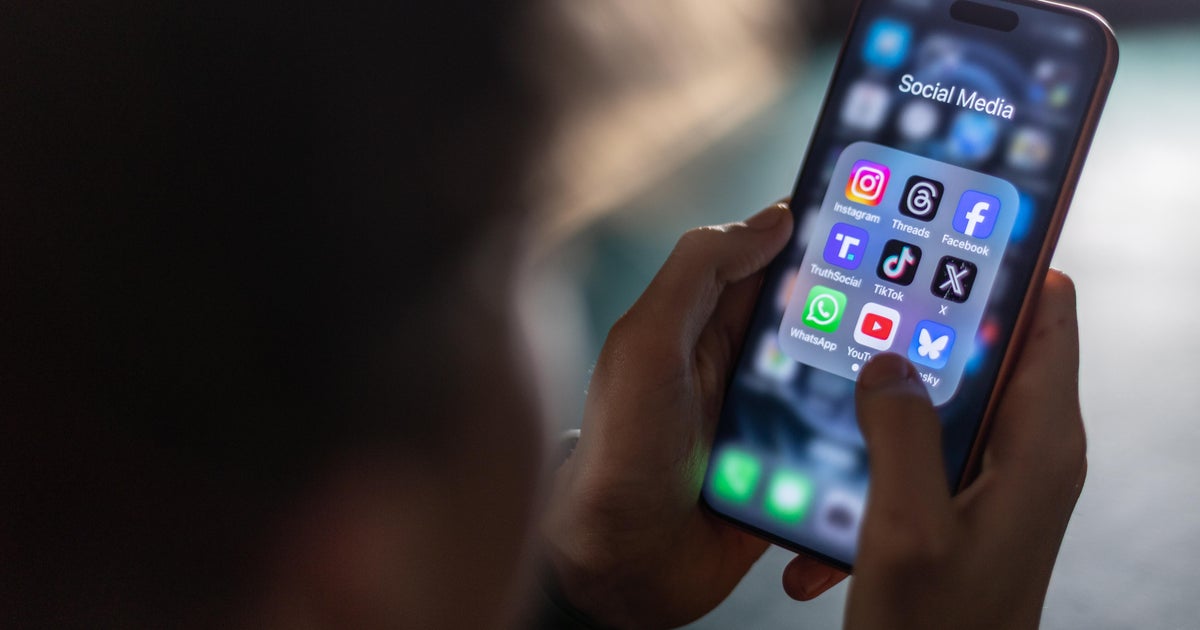

Social Media Giants Held Accountable: Landmark Verdict Finds Meta and YouTube Liable for Harming Young Users
A Historic Decision That Could Change Everything
In what’s being called a watershed moment for digital accountability, a jury in Los Angeles has delivered a verdict that could fundamentally reshape how social media companies operate. After nine grueling days of deliberation—more than 40 hours of careful consideration—the jury reached a decision that many thought would never come: Meta and YouTube are legally responsible for creating products that caused genuine harm to young people. The case centered on a young woman named Kaley, now 20 years old, who courageously stepped forward to tell her story about how these platforms affected her life from childhood. The jury awarded her $3 million to compensate for the damage she suffered and an additional $3 million in punitive damages—money specifically meant to punish the companies for their behavior. This isn’t just about one person’s experience; it’s a decision that could open the door for thousands of families who believe social media has harmed their children. The comparison to the landmark tobacco industry lawsuits of the 1990s isn’t accidental—both involve powerful corporations accused of knowingly creating addictive products while downplaying the risks, particularly to young people.
One Young Woman’s Story of Addiction and Pain
Kaley’s journey into the world of social media started shockingly early—she began using YouTube at just six years old and Instagram at nine, long before she was old enough to understand what these platforms were really doing to her developing mind. What started as innocent fun gradually transformed into something much darker. She described spending entire days glued to her phone, chasing the emotional “rush” that came from likes and notifications. It became an all-consuming cycle that she couldn’t escape. As she testified in court, social media didn’t just occupy her time—it fundamentally shaped how she saw herself and the world around her. The consequences were devastating: depression, body dysmorphia, and suicidal thoughts. Her lawyer, Mark Lanier, didn’t mince words about what he believes happened: “For years, social media companies have profited from targeting children while concealing the addictive and dangerous design features built into their platforms.” One of Kaley’s former therapists, Victoria Burke, testified that social media and Kaley’s sense of self “were closely related,” and that her activity on these platforms could literally “make or break her mood.” Kaley herself pointed to Instagram’s beauty filters as particularly harmful, saying she never experienced the negative feelings about her body before she started using social media and these appearance-altering tools. The jury ultimately decided that Meta bears 70% of the responsibility for Kaley’s harm, while YouTube shoulders 30%—a split that reflects their findings about each company’s role in her struggles.
What the Companies Knew and When They Knew It
The heart of this case wasn’t about what people posted on social media—it was about how these platforms were deliberately designed. The jury found that Meta and YouTube were negligent in how they built and operated their platforms, and crucially, that they knew their products could have “adverse effects on minors” but failed to adequately warn users about these risks. This is a significant legal finding because it cuts through the usual defense that social media companies hide behind—Section 230 of the Communications Decency Act, which typically protects internet companies from liability for content posted by users. This case was different because it focused on the fundamental design of the apps themselves: the infinite scroll, the notification systems, the algorithms that keep users engaged for as long as possible. When Meta CEO Mark Zuckerberg and Instagram head Adam Mosseri were called to testify, they faced pointed questions about whether their companies deliberately designed products to maximize the time users spent on their platforms. The jury’s decision that the companies acted with “malice, oppression or fraud” is particularly damning—it suggests the jury believed these weren’t just mistakes or oversights, but deliberate choices made despite knowing the potential harm. This finding is what triggered the additional $3 million in punitive damages, with Meta responsible for $2.1 million and YouTube for $900,000. These punitive damages serve as a message: companies cannot knowingly put profits over the wellbeing of children without facing consequences.
How the Tech Giants Defended Themselves
Unsurprisingly, Meta and YouTube fought back hard against these allegations, employing a defense strategy that essentially said: don’t blame us for complex mental health issues. Their lawyers argued that Kaley’s problems stemmed from her family history, difficulties at home and school, and learning disabilities—not from their platforms. A Meta spokesperson even stated that “not one of her therapists identified social media as the cause,” attempting to shift blame away from their products entirely. The companies also suggested that Kaley turned to social media as a way of coping with pre-existing mental health struggles, rather than social media causing those struggles in the first place. Both Meta and YouTube have announced they plan to appeal the verdict. A Meta spokesperson told CBS News they “respectfully disagree with the verdict” and emphasized that “teen mental health is profoundly complex and cannot be linked to a single app.” Google took a different angle, with spokesperson Jose Castañeda claiming the verdict “misrepresents YouTube, which is a responsibly built streaming platform, not a social media site”—a distinction that many would find questionable given YouTube’s social features and recommendation algorithms. During testimony, Zuckerberg acknowledged one challenge the companies face: enforcing age restrictions. Instagram officially requires users to be at least 13 years old, but Zuckerberg admitted there are “a meaningful number of people who lie about their age to use our services,” essentially conceding that the companies struggle to keep young children off their platforms even when they want to.
A Pattern of Accountability Emerging
This Los Angeles verdict isn’t happening in isolation—it’s part of a growing wave of legal accountability for social media companies. Just one day before this verdict, a jury in New Mexico found Meta violated state child exploitation laws and ordered the company to pay a staggering $375 million in civil penalties. New Mexico made history as the first state to successfully win a case against a major tech company for harming young people. These back-to-back verdicts signal a significant shift in how the legal system views social media companies and their responsibility toward young users. It’s also worth noting that Kaley’s case originally included TikTok and Snapchat as defendants, but both companies settled before the trial even began—a decision that, in hindsight, may have saved them from being part of this landmark ruling. The fact that multiple juries, considering different cases in different states, are reaching similar conclusions about social media companies’ culpability suggests this isn’t just about one company or one platform. It appears to reflect a broader recognition that the business model of social media—which depends on maximizing user engagement and time spent on platforms—creates inherent risks, especially for children and teenagers whose brains are still developing. The question now is whether these verdicts will force fundamental changes in how these platforms operate, or whether the companies will simply view massive legal settlements as a cost of doing business.
What This Means for the Future
Legal experts are calling this verdict potentially transformative, with implications that could ripple through thousands of pending lawsuits against social media companies. Cases brought by state attorneys general, school districts, and individual families alleging harm from social media now have a powerful precedent to point to. Clay Calvert, a technology policy expert at the American Enterprise Institute, didn’t hesitate to predict the impact: “It definitely could open the floodgates of litigation. It will certainly trigger more.” The damages awarded in this case—$6 million total—will likely serve as a benchmark for similar cases moving forward, potentially costing social media companies billions if the pattern continues. Beyond the legal implications, this verdict may also encourage more families to come forward with their own stories. For years, many parents have felt powerless watching their children struggle with social media addiction and its mental health consequences, unsure whether they had any legal recourse. This verdict sends a clear message: courts are willing to hold these companies accountable, and families do have options beyond simply trying to take phones away from their kids. The comparison to tobacco litigation is instructive here—those lawsuits didn’t happen all at once, but rather built momentum over time as more people came forward and as evidence of corporate knowledge mounted. We may be witnessing the beginning of a similar trajectory with social media companies. The ultimate question is whether these legal pressures will force meaningful change in how social media platforms are designed and operated, particularly for young users. Will we see more robust age verification? Less manipulative design features? Greater transparency about how algorithms work? Or will companies primarily focus on defending themselves in court while making only superficial changes? For now, what’s clear is that the era of social media companies operating with near-total impunity when it comes to their effects on children appears to be ending, and Kaley’s courage in bringing her case forward may have changed the landscape forever.