


The Aftermath of El Mencho’s Death: A Mexican Town Grapples with Violence and Uncertainty
A Peaceful Tourist Haven Shattered by Cartel Violence
In the picturesque mountain town of Tapalpa, nestled in the highlands of Jalisco state, Mexico, life has always revolved around the steady stream of tourists drawn to its charming cobblestone streets and tranquil atmosphere. For Maria Dolores Aguirre, a 50-year-old shopkeeper, her family’s corner store has been a fixture in the community for half a century, sustained by visitors seeking refuge in this peaceful retreat. However, everything changed when the quiet of her town was shattered by the sound of gunfire and the thunderous presence of military helicopters overhead. Just kilometers from her home, the Mexican army engaged in a deadly confrontation that resulted in the death of Nemesio Oseguera Cervantes, better known as “El Mencho,” the leader of the notorious Jalisco New Generation Cartel and one of the world’s most powerful drug lords. The violent operation, while successful in its mission, has left residents like Aguirre facing an uncertain future, worried that the bloodshed will fundamentally transform their community and devastate the tourism industry that so many depend upon for survival.
The Ripple Effects Across Jalisco State
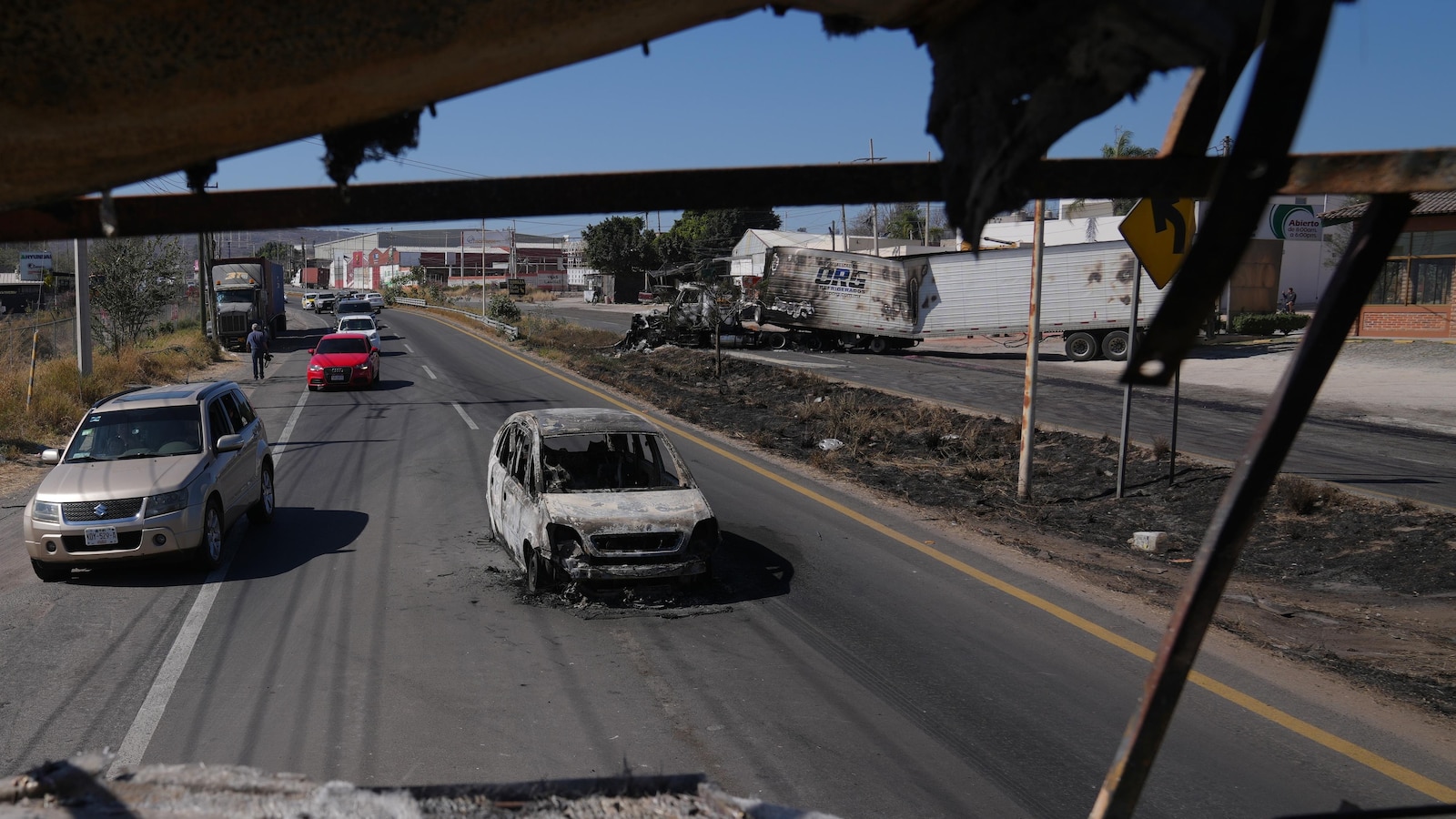
The concerns echoing through Tapalpa are shared across the entire state of Jalisco, from its sun-soaked Pacific beaches to the bustling capital city of Guadalajara, which is preparing to welcome the world as a host city for the 2026 FIFA World Cup. The violent clash and its aftermath have cast a shadow over the region’s reputation as a desirable destination, raising questions about safety and security that could have long-lasting economic consequences. Aguirre expressed what many business owners are thinking: “It’s going to affect us. It’s collateral damage. The government is going to have to have a lot of security. The entire world just saw what happened and, of course, people are going to think twice about coming.” The incident wasn’t isolated to Tapalpa; fighting between the Jalisco New Generation Cartel and Mexican security forces erupted across multiple states on Monday, intensifying fears that this marks the beginning of a prolonged period of violence rather than its end. Authorities reported that more than 70 people lost their lives during the operation to capture El Mencho and in the subsequent cartel reprisals, a staggering death toll that has left communities traumatized and anxious about what comes next.
Understanding El Mencho’s Criminal Empire
Nemesio Oseguera Cervantes had built one of Mexico’s fastest-growing and most feared criminal organizations, the Jalisco New Generation Cartel, which became infamous for its role in trafficking deadly drugs—particularly fentanyl, methamphetamine, and cocaine—to the United States. The cartel’s brazen tactics included staging violent attacks against Mexican government officials, demonstrating a willingness to confront state power directly. El Mencho’s capture had been a priority for both Mexican and American authorities, with the U.S. State Department offering a reward of up to $15 million for information leading to his arrest. The White House confirmed that U.S. intelligence support played a crucial role in the operation, and American officials applauded Mexico’s military for eliminating one of the most wanted criminals in both nations. According to Mexican Defense Secretary Gen. Ricardo Trevilla, authorities tracked one of El Mencho’s romantic partners to his hideout in Tapalpa, where he and two bodyguards attempted to flee into a wooded area. A fierce firefight ensued, leaving all three seriously wounded. They were taken into custody but died while being transported to Mexico City, bringing an end to the reign of one of the world’s most notorious drug traffickers.
Political Pressures and the Crackdown on Cartels
The timing of this operation reflects the mounting pressure Mexico has faced from the United States to take decisive action against drug cartels. President Donald Trump had threatened to impose additional tariffs on Mexican goods or even take unilateral military action if Mexico failed to demonstrate concrete results in combating criminal organizations responsible for flooding American communities with deadly narcotics. Mexico’s government stepped up its offensive against cartels in response to these demands, hoping that the death of one of the world’s biggest fentanyl traffickers would alleviate some of the diplomatic and economic pressure from its northern neighbor. However, while the elimination of El Mencho represents a significant tactical victory, many Mexicans found themselves in a state of anxious anticipation, waiting to see how the powerful Jalisco New Generation Cartel would respond to the loss of its leader. The concern was not whether there would be retaliation, but how severe and widespread it would be, and whether the power vacuum would trigger an internal war within the cartel or escalate conflicts with rival organizations vying for control of lucrative drug trafficking routes.
Tourism Industry Under Siege
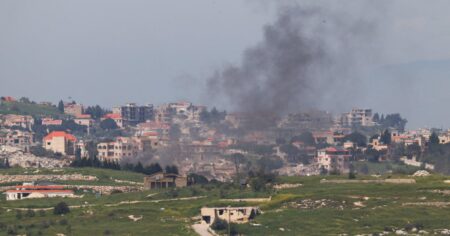
The cartel’s reprisals were swift and terrifying, particularly in Puerto Vallarta, the popular Pacific Ocean resort city that attracts thousands of international visitors each year. The violence that erupted there sent shockwaves through the tourist community and created chaos for travelers caught in the crossfire. Steve Perkins, a 57-year-old visitor from Broken Arrow, Oklahoma, was staying at a hotel with his wife Gayle and friends when explosions began detonating around the city on Sunday morning, filling the sky with black smoke visible from their terrace. Their experience quickly transformed from a relaxing vacation into a nightmare scenario. When their scheduled return flight was canceled on Monday, they were rebooked for March 1, extending their unwanted stay in what had become a conflict zone. Perkins, who had been making annual trips to Puerto Vallarta with his wife since 2012 and had always felt safe during previous visits, stated unequivocally that they would not be returning to Mexico. “There’s a lot of Americans trapped here,” he observed, capturing the sense of fear and helplessness that had gripped foreign tourists. The incident highlights the fragility of Mexico’s tourism industry when violence erupts, and the potential for long-term damage to the country’s reputation as a vacation destination, particularly in regions that had previously been considered relatively safe.
Uncertain Future for Communities
Back in Tapalpa, Maria Dolores Aguirre continued working alongside her 15-year-old son in their small neighborhood shop, his school having canceled classes due to the ongoing security concerns. The temporary nature of that decision reflected the broader uncertainty facing the community—nobody knew if this represented a isolated incident or the beginning of a more sustained period of instability. Aguirre articulated the confusion and fear gripping residents: “We don’t know if these people (cartel leaders) are permanently here or not. If they really did kill this leader, it could be that they fight between each other to win control or see who will lead it.” This concern about potential succession battles within the cartel organization is well-founded, as the history of Mexican drug trafficking organizations shows that the removal of a top leader often triggers violent internal conflicts as lieutenants and rivals position themselves to fill the power vacuum. For ordinary citizens like Aguirre, this means their daily lives remain overshadowed by questions about who actually controls their region—the military or the remnants of the cartel—and what the security situation will look like in the coming weeks and months. The economic implications are equally troubling, as the family store and countless other small businesses that depend on tourism revenue face the prospect of significantly reduced visitor numbers, at least in the short term, as news of the violence spreads internationally and potential tourists reconsider their travel plans. The challenge for Mexico will be not only maintaining security and preventing further violence but also rebuilding confidence among both domestic and international visitors that these regions are safe destinations worthy of their tourism dollars.