


Federal Investigation into Voter Records Sparks Controversy in Minnesota
A Grand Jury Subpoena Raises Questions About Voting Integrity
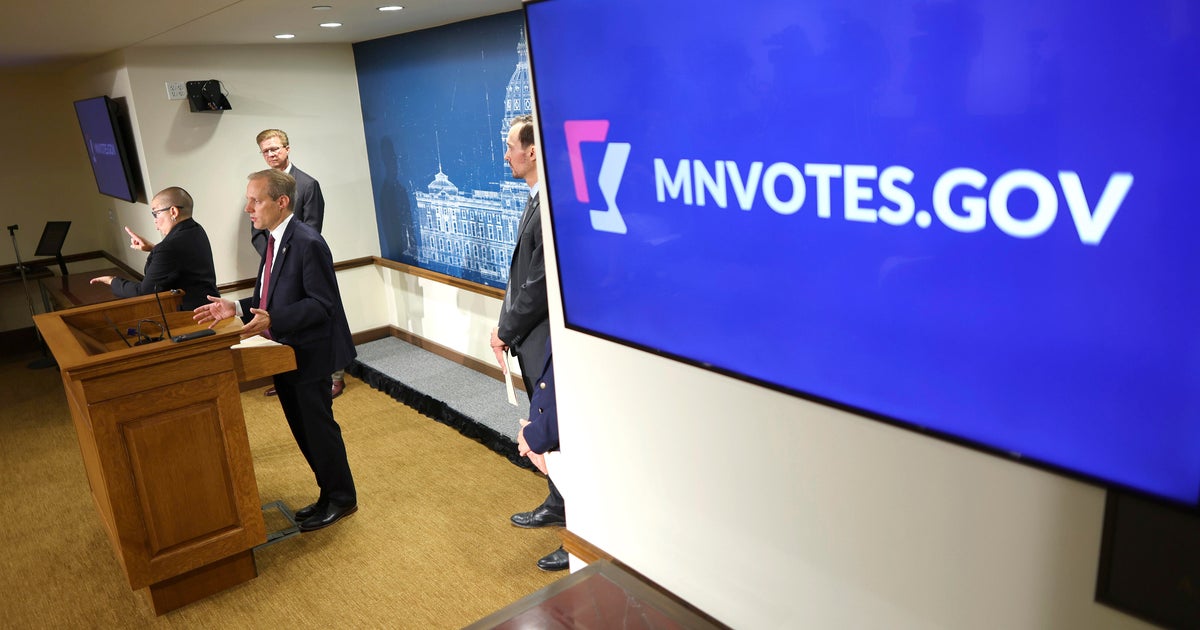
The Minnesota Secretary of State’s Office has found itself at the center of a federal investigation that’s raising important questions about election security and voter registration. According to sources familiar with the matter, the office has received a grand jury subpoena demanding specific voter records as part of an investigation looking into whether people who aren’t U.S. citizens have registered to vote or actually cast ballots in elections. This investigation is being conducted jointly by the Justice Department and the Department of Homeland Security, marking a significant moment in the ongoing tension between state governments and federal authorities over who controls and monitors voter registration information.
The scope of this investigation appears focused but substantial. Federal prosecutors and investigators are requesting records related to more than 125 individuals, though it’s important to note that they’re not asking for the actual ballots these people may have cast. This distinction matters because it shows the investigation is centered on registration and eligibility rather than trying to change any election outcomes. So far, no criminal charges have been filed against anyone, suggesting this is still in the early stages of fact-finding. The Minnesota Secretary of State’s office has been careful in its public statements, declining to confirm or deny the subpoena’s existence due to grand jury secrecy rules that protect ongoing investigations. However, they acknowledged being aware of media reports about the subpoena and emphasized that election security remains one of their highest priorities, even though they don’t directly register voters or run elections themselves—that work falls to local election officials throughout the state.
The Bigger Picture: A National Push to Examine Voter Rolls
This criminal investigation in Minnesota doesn’t exist in isolation. It’s actually separate from another legal battle the state is currently fighting with the federal government. The Justice Department’s Civil Rights Division has filed a civil lawsuit against Minnesota, trying to force the state to hand over a complete, unredacted list of everyone registered to vote. This isn’t unique to Minnesota either—the Justice Department has filed similar lawsuits against dozens of other states and the District of Columbia, all demanding access to voter registration information. This represents a coordinated federal effort to gain unprecedented access to state election data, something that has made many state officials uncomfortable and raised concerns about privacy and states’ rights.
Over the past several months, the Justice Department and Department of Homeland Security have been working together on law enforcement operations designed to investigate whether non-citizens are on voter registration lists or may have voted in previous elections. This coordination between two major federal agencies signals that the administration considers this a priority issue worthy of significant resources. The investigation appears to be part of a larger effort to verify the citizenship status of registered voters across the country, though critics argue this could intimidate eligible voters and create unnecessary barriers to participation in democracy. The federal government’s approach represents what some see as an escalation in how aggressively it’s willing to pursue these investigations, moving from simply requesting information to using grand jury subpoenas and criminal investigative tools.
Presidential Directive and Historical Context
The current investigation traces back to March 2025, when President Trump issued an order directing the Justice Department and Department of Homeland Security to investigate whether non-citizens remained on voter registration lists across the country. This directive didn’t come out of nowhere—it reflects the President’s long-standing claims about voter fraud, which he has consistently characterized as a widespread problem affecting American elections. Throughout his political career, Trump has promoted various conspiracy theories about election integrity, most notably his repeated insistence, without credible evidence, that the 2020 presidential election was stolen from him through fraudulent voting. These claims have been thoroughly investigated and widely debunked by election officials, courts, and independent fact-checkers across the political spectrum, but they continue to shape policy decisions and investigative priorities at the federal level.
In recent months, we’ve seen the FBI launch several high-profile investigations related to the 2020 election, particularly in Arizona and Fulton County, Georgia—both areas that were flashpoints in the controversy over that election’s outcome. These investigations represent a significant commitment of federal law enforcement resources to examining election processes, driven by the administration’s belief that serious irregularities occurred. Critics argue that these investigations are politically motivated attempts to undermine confidence in elections and validate unfounded claims about voter fraud. Supporters counter that ensuring only citizens vote is a fundamental requirement of election integrity and that investigating potential violations is a legitimate government function. This divide reflects the broader partisan split in how Americans view election security, with different sides prioritizing different concerns.
What the Data Actually Shows About Voter Fraud in Minnesota
When we look at actual evidence of voter fraud in Minnesota, the numbers tell an interesting story that contrasts sharply with rhetoric about widespread problems. According to data compiled by the Heritage Foundation—a conservative think tank that has been tracking these cases—there have been a total of 138 cases involving some form of voter fraud in Minnesota between 2004 and 2025. That’s over a period of more than two decades. To put this in perspective, millions of votes have been cast in Minnesota during that time across numerous elections at the local, state, and federal levels. The 138 cases include all types of voter fraud, not just instances of non-citizens voting, so the specific issue being investigated likely represents an even smaller subset of these cases.
These numbers suggest that while voter fraud does occur, it happens at extremely low rates—nowhere near the scale that would be needed to affect election outcomes in most races. Election security experts have consistently found that voter fraud, while not completely non-existent, is exceedingly rare in the United States. The systems in place to verify voter eligibility, including registration processes and various checks at polling places, generally work quite well at preventing ineligible people from voting. Most instances of voter fraud that do occur involve individual actors making isolated bad decisions rather than organized schemes. The debate, then, isn’t really about whether voter fraud ever happens—it clearly does, occasionally—but rather about how much resources should be devoted to investigating it versus other priorities, and whether aggressive investigation efforts might inadvertently discourage legitimate voters from participating.
The Tensions Between State and Federal Authority
This investigation highlights fundamental tensions in American federalism about who should control elections. Traditionally, states have had primary authority over running elections, including maintaining voter registration lists and setting procedures for voting. This state control has been a feature of American democracy since the founding, based on the principle that local officials are best positioned to understand and serve their communities. However, federal law does establish certain requirements, particularly around preventing discrimination and ensuring that federal elections are conducted fairly. The current push by the federal government to access complete voter registration data from all states represents a shift toward more centralized oversight of elections, something that makes many state officials nervous regardless of their political affiliation.
State officials argue they need to protect voter privacy and maintain control over their own administrative processes. They worry that turning over complete voter registration lists to the federal government could expose sensitive personal information and potentially be used for purposes beyond election integrity. There are also concerns about the chilling effect that aggressive investigations might have on voter registration and turnout, particularly among immigrant communities where eligible voters might fear being swept up in investigations even if they’re completely legal citizens. On the other side, federal officials argue they have both the authority and the responsibility to ensure that federal elections are conducted properly and that only eligible citizens participate. They contend that without access to complete voter data, they cannot effectively investigate potential fraud or verify that states are properly maintaining their voter rolls. This disagreement reflects broader debates about the proper balance of power in our federal system and how we can best protect both election security and voting rights simultaneously.