


World Leaders Welcome Ceasefire Between U.S.-Israel and Iran While Urging Lasting Peace
A Moment of Relief for a Troubled Region
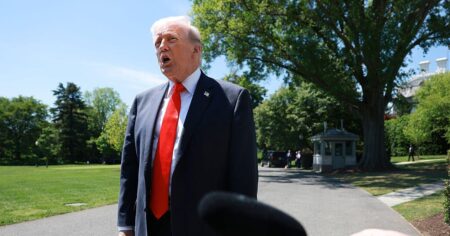
The announcement of a two-week ceasefire in the conflict between the U.S.-Israel alliance and Iran brought a collective sigh of relief from world leaders on Tuesday, though many cautioned that the temporary pause in hostilities represents only the first step toward lasting peace. President Donald Trump was the first to announce the ceasefire agreement, which Iranian officials later confirmed, marking a potentially significant turning point in a conflict that has rattled global markets and threatened to destabilize the entire Middle East. Leaders from Europe to the Persian Gulf region expressed cautious optimism while emphasizing the urgent need to transform this temporary truce into a permanent resolution. The international community now faces the delicate task of supporting negotiations that could either lead to a comprehensive peace agreement or collapse back into devastating warfare that has already claimed numerous lives and disrupted global commerce.
European Leaders Call for Sustained Diplomatic Efforts
European heads of state were quick to respond to the ceasefire news, with British Prime Minister Keir Starmer characterizing the agreement as bringing “a moment of relief to the region and the world.” Starmer emphasized that the international community must work together with partners to not only support and sustain the ceasefire but also transform it into a lasting agreement. He also highlighted the critical importance of reopening the Strait of Hormuz, the vital waterway through which a significant portion of the world’s oil supply passes, whose closure has sent shockwaves through global energy markets. Italian Foreign Minister Antonio Tajani echoed these sentiments, calling the ceasefire “a very positive development” that moves the world closer to a peace agreement that would benefit not only the civilian population and the region but also the global economy, which has suffered significantly from the conflict’s disruption to trade routes and energy supplies.
German leader Friedrich Merz took the opportunity to thank Pakistan for its mediation efforts, which have been instrumental in bringing the warring parties to the negotiating table. Merz stressed that the immediate goal must be to negotiate a lasting end to the war, noting that Germany remains in close coordination with its international partners on this critical matter. Meanwhile, Ursula von der Leyen, president of the European Commission, welcomed the “much-needed de-escalation” while emphasizing that further negotiations will be crucial to preventing a return to hostilities. These European responses reflect both relief at the pause in fighting and recognition that the hard work of peace-building still lies ahead, requiring sustained diplomatic engagement and international cooperation to address the underlying issues that sparked the conflict.
Spain’s Cautious Response and France’s Lebanon Concerns
Not all European reactions were uniformly celebratory, with Spanish Prime Minister Pedro Sanchez offering a more measured and critical assessment of the situation. Sanchez, who has been among Europe’s most vocal critics of the war, acknowledged that the ceasefire represented “welcome news” but warned against allowing momentary relief to obscure the chaos, destruction, and lives lost during the conflict. In a particularly pointed statement, Sanchez declared that “The Spanish government will not applaud those who set the world on fire just because they show up with a bucket,” suggesting that those responsible for escalating the conflict deserve scrutiny rather than praise for agreeing to a temporary pause. He called for prioritizing diplomacy, adherence to international law, and a genuine commitment to peace rather than simply celebrating a brief respite from violence.
French President Emmanuel Macron raised important concerns about Lebanon, which has become another critical theater in this multifaceted regional conflict. Lebanon has been caught in the crossfire due to Israel’s ongoing battles with Hezbollah, the Iran-backed militia that operates extensively within Lebanese territory. Macron described the situation in Lebanon as “critical” and noted that while the ceasefire ostensibly extended to Lebanon according to some parties, Israeli Prime Minister Benjamin Netanyahu stated overnight that Lebanon was not included in the agreement—a contradiction that Israel underscored by continuing intense strikes on Lebanese territory, including the capital city of Beirut. Macron characterized the ceasefire as “a very good thing” while identifying the question of Lebanon as “one of the most delicate” issues that must be resolved. He argued that while Hezbollah made a “strategic error” by attacking Israel and drawing Lebanon into the regional crisis, Israel’s strikes and occupation of southern Lebanon “cannot be a long-term response,” suggesting the need for a more comprehensive diplomatic solution that addresses Lebanon’s sovereignty and security.
Regional Powers Balance Hope with Continued Vigilance
Persian Gulf nations and other regional powers also welcomed the ceasefire announcement, though several reported fresh Iranian drone and missile attacks on Wednesday, raising questions about the completeness of the truce and the challenges that lie ahead. Saudi Arabia’s Foreign Ministry expressed its support for the pause in fighting through an official statement, while Qatar’s Foreign Ministry described the ceasefire as “an initial step toward de-escalation” while stressing “the necessity for the Islamic Republic of Iran to take the initiative to immediately cease all hostile acts and practices.” These statements reflect the delicate position of Gulf nations, which have sought to maintain relationships with both Western powers and Iran while protecting their own security and economic interests in a region that has been repeatedly destabilized by conflict.
Oman, which has traditionally served as a mediator in U.S.-Iranian negotiations due to its maintained diplomatic channels with both sides, emphasized “the importance of intensifying efforts now to find solutions capable of ending the crisis at its roots and achieving a permanent cessation of the state of war and hostile acts in the region.” Jordan’s Foreign Ministry highlighted the critical importance of opening the Strait of Hormuz and ensuring freedom of international navigation without restrictions in accordance with international law—a concern shared by nations worldwide that depend on the free flow of goods and energy through this strategic chokepoint. Egyptian President Abdel Fattah el-Sisi offered a more emotional response, stating that the ceasefire news “undoubtedly brought relief to the hearts of millions of peace-loving people across all corners of the earth” and expressing appreciation for President Trump’s “decision to heed the voice of reason.” These regional responses demonstrate both hope for peace and recognition that achieving lasting stability will require addressing fundamental security concerns and competing interests that have fueled tensions for decades.
The Road Ahead: From Ceasefire to Comprehensive Peace
As the international community absorbs the news of this temporary ceasefire, attention now turns to the planned negotiations in Islamabad scheduled for Friday, where representatives from the conflicting parties are expected to begin discussing the terms of a more permanent peace agreement. The Turkish Foreign Ministry released a statement expressing backing for the peace process and pledging to “continue to extend all necessary support for the successful conclusion of the negotiations to be held in Islamabad,” reflecting Turkey’s ongoing interest in regional stability and its desire to play a constructive role in conflict resolution. Pakistan’s emergence as a key mediator has been welcomed by multiple world leaders, suggesting that successful peace negotiations may require honest brokers from outside the immediate region who can facilitate dialogue between parties with deeply entrenched positions and mutual distrust built up over years of hostility.
The challenges facing negotiators are substantial and multifaceted. Beyond the immediate cessation of hostilities between U.S.-Israeli forces and Iran, any comprehensive peace agreement must address the situation in Lebanon and the role of Hezbollah, the reopening of the Strait of Hormuz and restoration of normal commerce, the underlying security concerns that led to the conflict’s escalation, and the humanitarian crisis created by weeks of intense warfare. The conflicting statements about whether Lebanon is included in the ceasefire, coupled with continued Israeli strikes on Lebanese territory, illustrate how fragile this temporary truce remains and how easily misunderstandings or disagreements could lead to renewed fighting. The international community’s role will be crucial in the coming days and weeks—not only in supporting the direct negotiations between the conflicting parties but also in providing incentives for peace, monitoring compliance with ceasefire terms, and potentially contributing to security arrangements that could give all parties confidence in a lasting agreement. As millions of people in the affected regions and around the world watch anxiously, the hope is that this moment of relief can be transformed into something more permanent: a genuine peace that addresses the legitimate security concerns of all parties while preventing the humanitarian catastrophe and economic disruption that continued warfare would inevitably bring.