


A Double Blessing in the Mist: Twin Mountain Gorillas Bring Hope to Congo’s Virunga
An Extraordinary Wildlife Event in Troubled Times
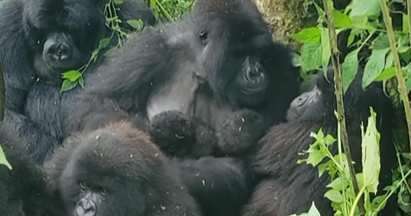
In the lush, mist-covered slopes of Virunga National Park in the eastern Democratic Republic of Congo, something truly remarkable has occurred—a mountain gorilla has given birth to twins, an event so rare that wildlife experts consider it nearly miraculous. Park authorities announced this extraordinary birth in late January, revealing that the twins, believed to be one male and one female, were approximately two weeks old at the time of the announcement. These tiny bundles of dark fur represent not just new life, but a beacon of hope for one of the world’s most critically endangered species. Video footage released by the park shows the adorable twins clinging to their mother and interacting with their family members amid the dense vegetation that characterizes their forest home. For conservationists who have dedicated their lives to protecting these magnificent creatures, the birth of twins is cause for celebration, though it also brings concerns about the challenges that lie ahead for both the mother and her vulnerable offspring. This joyous event comes at a particularly difficult time for Virunga, as the region continues to be plagued by armed conflict and instability that threatens both the park’s wildlife and the rangers who risk their lives to protect them.
Understanding the Rarity of Twin Gorilla Births
To truly appreciate how exceptional this event is, one must understand just how uncommon twin births are among mountain gorillas. According to Tara Stoinski, CEO and chief scientific officer of the prestigious Dian Fossey Gorilla Fund, the organization’s extensive research database—spanning nearly six decades of mountain gorilla observation—reveals that twins occur in less than one percent of all gorilla births. This statistic underscores the truly special nature of what has happened in Virunga. “The arrival of twins among gorillas is a special occasion given their rarity,” Stoinski explained in her statement to the press. What makes this year even more remarkable is that these twins represent the second set born in Virunga in 2025 alone. Just weeks earlier in January, another set of male twins was born to members of the Bageni gorilla family within the same park. The recent twins, observed among the Baraka family, mark the seventh and eighth gorilla births recorded in Virunga since the beginning of the year, suggesting a particularly productive breeding season for the park’s gorilla population. These births offer a glimmer of optimism for a species that has teetered on the brink of extinction and continues to face numerous threats to its survival.
The Challenges Facing Gorilla Mothers and Their Twins
While the birth of twins brings celebration, it also presents significant challenges that could affect the survival of these precious infants. Stoinski explained the complex difficulties that gorilla mothers face when caring for two babies simultaneously. “Not only must the mother carry two infants, which makes walking more difficult particularly in the first few weeks,” she noted, highlighting the physical burden placed on the mother as she navigates the steep, uneven terrain of the mountain forests. But the challenges extend beyond mere mobility. The mother “must produce more milk, which is energetically very expensive,” Stoinski continued, emphasizing the enormous caloric demands placed on a mother nursing two growing infants. In the wild, food resources can be unpredictable, and a mother must consume significantly more vegetation to meet the nutritional needs of producing enough milk for twins. This increased energy requirement comes at a time when she must also remain vigilant against predators and navigate the social dynamics of her gorilla family group. The first few weeks and months will be critical for the twins’ survival, and park rangers are keeping close watch on the family, monitoring the mother’s health and the development of both infants. The fact that both previous and current twins are reportedly thriving is a testament to the dedication of conservation efforts in the park and the resilience of these remarkable animals.
Virunga National Park: A Treasure Under Siege
Virunga National Park stands as Africa’s oldest nature reserve, having been established in 1925, and it has earned recognition as a UNESCO World Heritage Site due to its extraordinary biodiversity and ecological significance. The park spans nearly 8,000 square kilometers of dramatically varied landscapes, from volcanic mountains to dense forests and savannas, providing habitat for an astonishing array of wildlife including mountain gorillas, chimpanzees, okapi, elephants, and hundreds of bird species. However, this natural treasure exists in one of the most challenging and dangerous regions on Earth. The eastern Democratic Republic of Congo has been plagued by conflict for decades, and in recent years, the situation has intensified significantly. The Rwanda-backed M23 armed group has seized control of large swathes of territory in the region, creating an atmosphere of instability and danger that extends into the boundaries of the national park. Adding to the security concerns, Virunga’s forests are believed to serve as hideouts for fighters from the ADF militia, a group that has pledged allegiance to the Islamic State jihadist organization. These armed groups pose direct threats to wildlife, park infrastructure, and most tragically, to the dedicated rangers who put their lives on the line daily to protect the park’s treasures. Despite these overwhelming challenges, the park’s staff continues their vital conservation work, demonstrating remarkable courage and commitment to preserving Virunga’s irreplaceable natural heritage for future generations.
The Mountain Gorilla Population: A Conservation Success Story with Ongoing Challenges
The story of the mountain gorilla represents one of conservation’s most inspiring success stories, though the species remains critically endangered and faces an uncertain future. Globally, the mountain gorilla population is estimated at just 1,063 individuals living in the wild—a number that seems impossibly small for an entire subspecies. These gorillas exist in only two populations: one in the Virunga Massif, which includes Virunga National Park and extends across borders into Uganda and Rwanda, and another in Uganda’s Bwindi Impenetrable Forest. According to park authorities, approximately 350 mountain gorillas were recorded in Virunga National Park during the most recent census in 2021, making the park absolutely critical to the species’ survival. The eight mountain gorilla births registered in Virunga in 2025, including both sets of twins, represent significant contributions to the species’ recovery. These numbers reflect decades of intensive conservation efforts, including anti-poaching patrols, habitat protection, veterinary interventions, and community engagement programs designed to help local people see the gorillas as valuable assets rather than threats or resources to be exploited. Yet despite this progress, mountain gorillas continue to face numerous threats including habitat loss, disease transmission from humans, poaching, and the ongoing armed conflict that makes conservation work so dangerous in this region.
Hope for the Future Amid Uncertainty
The birth of these twin gorillas in Virunga serves as a powerful reminder of nature’s resilience and the importance of conservation efforts even in the most challenging circumstances. Each new gorilla birth represents not just the continuation of a family line, but hope for the entire species’ recovery from the brink of extinction. The fact that Virunga has experienced such a productive year for gorilla births, despite the ongoing security challenges, speaks to the effectiveness of the park’s management and the dedication of its staff. Rangers continue to patrol the forests, tracking gorilla families, protecting them from poachers, and monitoring their health despite the very real dangers they face from armed groups operating in the region. The international conservation community has rallied behind Virunga, providing financial support, technical expertise, and global attention that helps protect the park and its wildlife. For the local communities surrounding Virunga, the park represents not just a conservation priority but also a source of pride and potential economic benefit through carefully managed gorilla tourism, which brings revenue and employment opportunities to the region. As these twin gorillas grow and develop under the watchful eyes of their mother and the park’s dedicated field teams, they carry with them the hopes of everyone who believes that these magnificent creatures deserve a future on this planet. Their survival will depend on continued conservation efforts, political stability in the region, and the global community’s commitment to protecting Earth’s most endangered species and the wild places they call home.