


Father on Trial for Providing Son with AR-15 Used in Georgia School Shooting
A Landmark Case in Parental Accountability
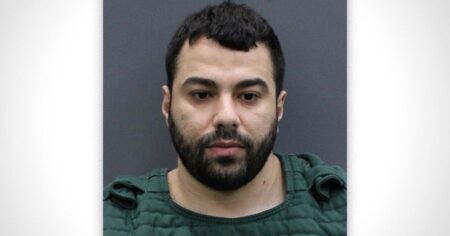
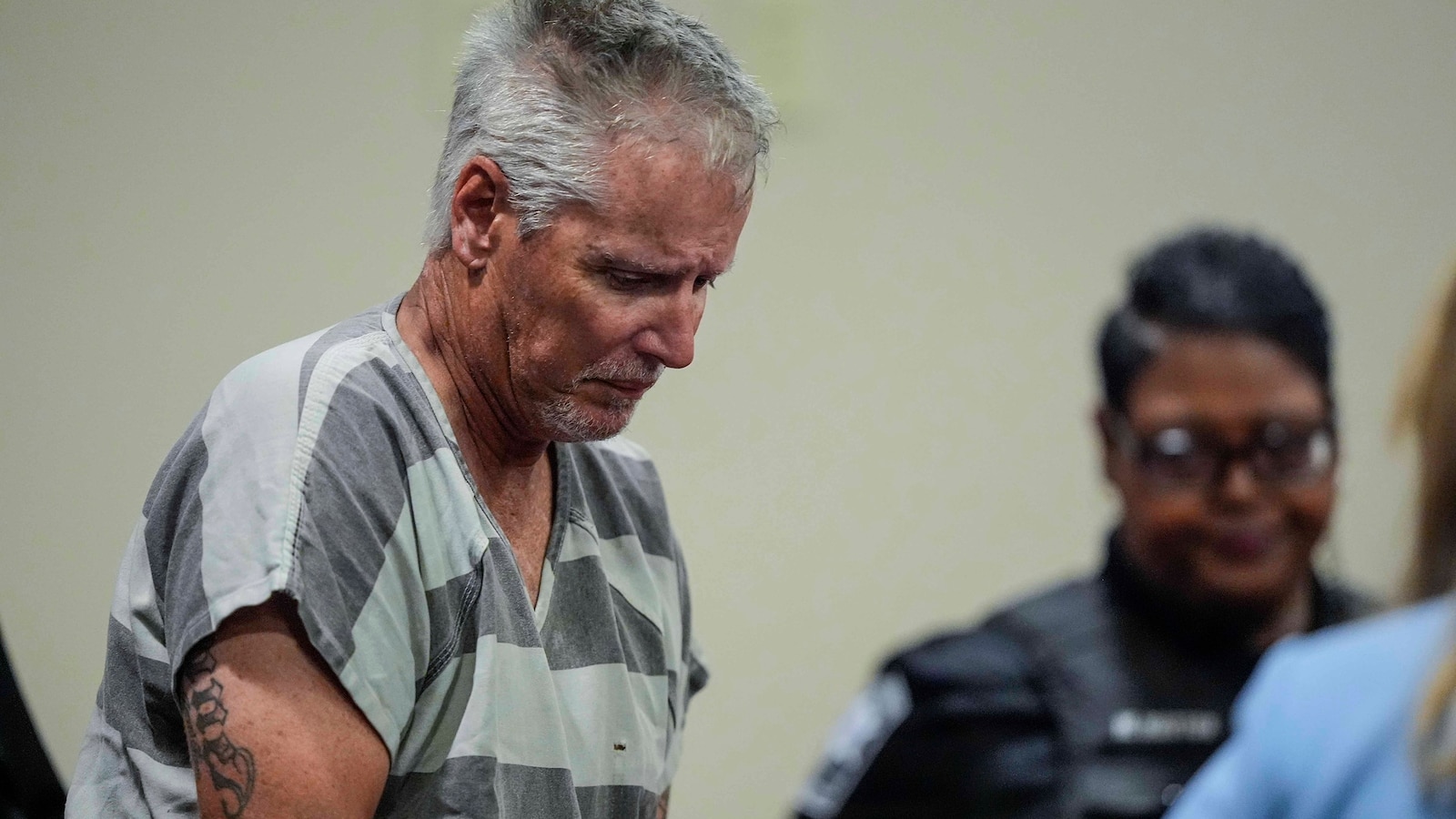
In a case that has captured national attention and raised critical questions about parental responsibility, Colin Gray, a 55-year-old father from Georgia, faced trial on Monday for his alleged role in enabling the deadly shooting at Apalachee High School. The charges against him are severe: four counts of involuntary manslaughter, two counts of second-degree murder, and eight counts of cruelty to children. What makes this case particularly significant is that prosecutors aren’t simply holding Gray accountable for failing to prevent a tragedy—they’re arguing he actively contributed to it by giving his troubled teenage son an AR-15-style rifle as a Christmas gift. This weapon, according to prosecutors, became the instrument of death when 14-year-old Colt Gray opened fire at his high school on September 4, 2024, killing two students and two teachers while injuring eight others. The trial represents the latest chapter in an emerging trend across the United States where parents are being held criminally liable for mass shootings committed by their children, signaling a potential shift in how society addresses gun violence and parental negligence.
The Prosecution’s Case: Willful Negligence in the Face of Clear Warning Signs
District Attorney Brad Smith made it clear from his opening statement that this prosecution isn’t about punishing parents simply because their children committed crimes. Instead, he emphasized that the case centers specifically on Colin Gray’s actions—or more accurately, his inactions—despite numerous warnings that his son posed a danger to himself and others. According to the prosecution’s narrative, Colin Gray was well aware of his son’s concerning behavior and mental state. Evidence presented to the jury revealed that Colt had an unhealthy fascination with mass shooters and even maintained a shrine in his bedroom dedicated to the perpetrator of the 2018 Parkland, Florida school shooting that left seventeen people dead. School administrators, counselors, and law enforcement had all reportedly warned Colin Gray that his son needed mental health intervention, particularly after years of making threats to shoot up a school. The situation was so concerning that at age 11, Colt had researched “how to kill your dad.” Yet when confronted about these alarming behaviors, Colin Gray allegedly dismissed concerns, insisting that “Colt’s doing well in school, he doesn’t need any counseling”—a statement prosecutors argue was demonstrably false. Perhaps most damning was evidence that just one week before the shooting, Colt texted his father that he was “hearing voices” and wrote, “I have to kind of dance around the inconvenient truth at times, I have no control over what these things say and tell me to do.” Despite this desperate cry for help and all the previous warnings, prosecutors allege Colin Gray continued to allow his troubled son to keep the AR-15-style rifle propped against the wall in his bedroom, easily accessible whenever Colt chose to act on his darkest impulses.
The Defense’s Argument: A Father Deceived by a Troubled Son
Colin Gray’s defense attorney, Brian Hobbs, acknowledged the tragedy while presenting a fundamentally different interpretation of his client’s culpability. Hobbs argued that while the Apalachee High School shooting was indeed “tragic, horrific, terrifying and heartbreaking,” the jury’s responsibility wasn’t to react emotionally to that undeniable fact but rather to determine something much more specific: whether Colin Gray actually knew what his son was planning to do. The defense painted a picture of a deeply troubled teenager who deliberately concealed his true intentions from everyone around him, including his father. Hobbs contended that the evidence would show a father who didn’t ignore, abandon, or turn his back on his child, but rather one who was deceived by a son skilled at hiding his deteriorating mental state and violent plans. The attorney emphasized what he called the critical distinction between tragedy and criminal liability, arguing that “the most important facts, the planning of this shooting, the concealment of this shooting and the timeline of this shooting were hidden by Colt Gray from his father.” This defense strategy essentially asks jurors to consider whether a parent can be held criminally responsible when their child actively works to hide their intentions, even if warning signs were present. It’s a compelling argument that forces consideration of how much parents can reasonably be expected to know and predict about their children’s future actions, especially when those children are actively deceptive.
The Aftermath and the Human Cost
The consequences of the September 4th shooting extend far beyond legal arguments and courtroom testimony. Four lives were cut short that day, each representing irreplaceable losses to their families and community. Math teacher and football coach Richard Aspinwall, 39, and math teacher Cristina Irimie, 53, were educators who dedicated their lives to shaping young minds, only to have their own lives ended while trying to protect their students. Even more heartbreaking were the deaths of 14-year-old students Mason Schermerhorn and Christian Angulo, young people whose futures were stolen before they truly began. Eight additional victims survived with injuries, carrying both physical and psychological scars that will likely last a lifetime. Evidence presented suggests that Colin Gray may have suspected his son’s involvement almost immediately—prosecutors revealed that moments after hearing about the shooting, he frantically called his daughter asking if she’d seen her brother, then rushed to Colt’s bedroom to look for the gun that was no longer there. According to testimony, when sheriff’s deputies arrived at his home, Colin Gray allegedly said “I knew it,” apparently referencing his son being the shooter. These actions paint a picture of a father who, on some level, may have feared this outcome but failed to take decisive action to prevent it. Meanwhile, Colt Gray, now 16 years old, awaits his own separate trial on multiple counts of felony murder and attempted murder, charged as an adult for crimes committed when he was just 14.
A Growing Trend: Parents Held Accountable for Children’s Violence
The prosecution of Colin Gray represents part of a significant shift in how the American justice system addresses mass shootings committed by minors. Historically, parents of school shooters were rarely charged with crimes related to their children’s actions, but that’s changing as prosecutors and communities demand greater accountability from adults who enable violence through negligence or willful ignorance. The most notable precedent came in 2021 when Jennifer and James Crumbley became the first parents in United States history to be convicted of charges stemming from a mass school shooting committed by their child. Their son, Ethan Crumbley, killed four classmates at Oxford High School in Michigan when he was 15 years old. Prosecutors successfully argued that the Crumbleys were guilty of involuntary manslaughter because they kept an unsecured gun in their home and showed indifference toward their son’s deteriorating mental health. Both parents were convicted in separate trials and sentenced to 10 to 15 years in prison, while their son received life without parole. Similarly, in December 2023, Robert Crimo Jr. pleaded guilty to seven counts of misdemeanor reckless conduct related to his son’s mass shooting at a Fourth of July parade in Highland Park, Illinois, which killed seven people. As part of a plea deal, he received 60 days in jail and two years of probation. His son, Robert Crimo III, pleaded guilty and received life in prison without parole. These cases collectively signal that prosecutors are increasingly willing to pursue parents when there’s evidence they contributed to their children’s ability to commit mass violence, particularly when firearms are involved and warning signs were ignored.
Broader Implications for Gun Ownership and Parental Responsibility
The Colin Gray trial forces uncomfortable but necessary conversations about the intersection of gun rights, parental responsibility, and public safety in America. For gun rights advocates, cases like this raise concerns about whether parents might face prosecution even when taking reasonable precautions, potentially creating a chilling effect on legal gun ownership. However, for those advocating for stronger gun safety measures, these prosecutions represent appropriate accountability for adults who fail to secure weapons or provide them to individuals who shouldn’t have access. The case also highlights the complex challenges parents face in addressing their children’s mental health issues, particularly in a society where mental health resources are often inadequate, expensive, or difficult to access. Yet prosecutors argue that Colin Gray didn’t simply fail to get his son help—he actively armed him despite clear warnings about the danger he posed. The jury’s decision in this case could have far-reaching implications for how similar situations are handled in the future. A conviction would send a strong message that parents cannot turn a blind eye to their children’s dangerous behaviors or provide them with weapons when warning signs are present. An acquittal, on the other hand, might suggest the legal standard for parental criminal liability in such cases remains extremely high, requiring near-certainty that parents knew of specific plans rather than general concerns about mental health or fascination with violence. Regardless of the outcome, the trial has already contributed to an important national dialogue about preventing school shootings not just through policy changes, but through individual accountability for adults who, through action or inaction, enable these devastating acts of violence.