



Three Adventurous Orcas Become Seattle’s Newest Tourist Attractions
Unexpected Visitors Delight Whale Watchers
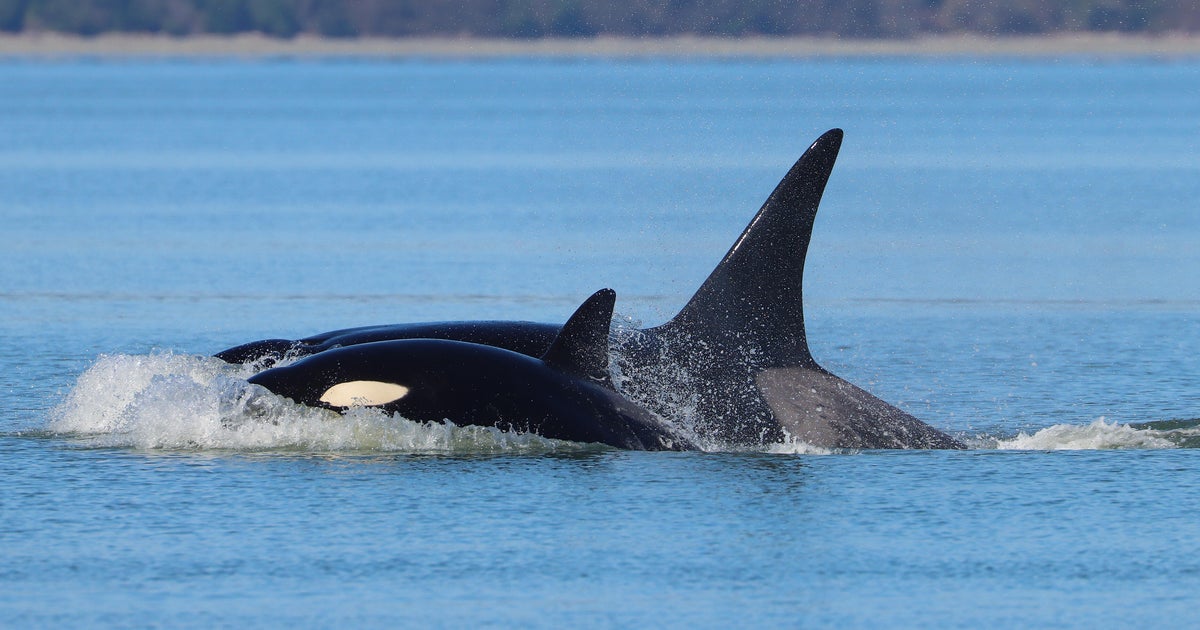
When people plan a trip to Seattle, they typically expect to see the iconic Space Needle piercing the sky and the stunning downtown skyline reflected in the waters of Puget Sound. But recently, three unexpected visitors have been following a similar sightseeing route, much to the delight of local residents and wildlife enthusiasts. A pod of three killer whales—previously unknown to researchers in the Seattle area—has been making regular appearances just off the downtown waterfront throughout the past month, treating spectators to unforgettable encounters with these magnificent marine mammals. These mysterious orcas have been cruising along various shorelines throughout the region, creating excitement wherever they surface. Hongming Zheng, an avid wildlife photographer who pursues his passion for whale photography in his free time, expressed the collective enthusiasm felt by the community: “People are all very happy to see this.” His dedication to capturing these remarkable creatures led him on an exhaustive 10-hour drive to locate the elusive pod, but the effort proved worthwhile. “It was epic,” he said, summing up the extraordinary experience that many Seattle-area residents and visitors have been fortunate enough to witness firsthand.
The Mystery of the Unidentified Pod
The appearance of these three orcas raised eyebrows among marine researchers who meticulously track killer whales in the Salish Sea—the body of water nestled between Washington state and British Columbia, Canada. Scientists maintain comprehensive catalogs of the whales that regularly frequent these waters, identifying individual animals by their distinctive dorsal fins and saddle patches, the grayish markings visible on their sides. Each whale has unique patterns, much like human fingerprints, making it possible to track individuals and family groups over time. When this particular pod of three orcas first appeared in Vancouver, British Columbia, in March, researchers were surprised to discover that none of the three whales matched any records in their extensive local databases. This mysterious trio seemed to have materialized out of nowhere, prompting scientists to dig deeper into historical sightings and photographic records from other regions. Their detective work eventually paid off when they discovered photos of the same pod swimming in Alaskan waters the previous year, according to Shari Tarantino of the Washington-based Orca Conservancy. The family group consists of an adult female believed to be the mother, along with what researchers think are her two offspring, including a notably large young adult male.
Designated Travelers with Distinctive Scars
Following standard research protocols, the three whales have now been officially designated as T419, T420, and T421 in the scientific catalog. The “T” prefix stands for “transient”—not “tourist,” though their sightseeing behavior might suggest otherwise. This designation refers to their dietary habits and ranging behavior rather than their current unexpected journey to Seattle. What makes these visiting orcas particularly fascinating to researchers is a distinctive physical characteristic that sets them apart from the local whale populations: circular scars left by cookie-cutter sharks. These small but aggressive predators latch onto larger marine animals and use their specialized teeth to slice out cookie-shaped chunks of flesh, leaving behind unmistakable round scars. The presence of these scars provides compelling evidence that T419, T420, and T421 have spent considerable time in the open ocean, far from coastal waters, because cookie-cutter sharks inhabit deep oceanic environments rather than the nearshore areas typically frequented by the Salish Sea’s resident whale populations. This physical evidence supports the theory about their distant origins and adventurous lifestyle.
Theories About Their Thousand-Mile Journey
The question on everyone’s mind is straightforward: why would these three orcas travel thousands of miles from their presumed home range to visit the Seattle area? While researchers cannot state with absolute certainty where the pod originated, the evidence points toward Alaska. “We don’t know their exact origin with 100% certainty yet, but the leading hypothesis is that they’re from Alaska, possibly the Aleutian region, given their appearance and the fact that some Alaskan populations range widely across the North Pacific,” Tarantino explained in an email correspondence. As for their motivation for this extensive journey, Tarantino suggests the answer might be found in the region’s abundant food supply. This particular pod belongs to the transient, or Bigg’s, killer whale ecotype, which feeds primarily on marine mammals rather than fish. This dietary preference distinguishes them significantly from the endangered Southern Resident killer whales that inhabit the same waters but rely almost exclusively on salmon. For marine mammal-hunting orcas, the Salish Sea represents something of a buffet, with plentiful populations of harbor seals, sea lions, and harbor porpoises—all preferred prey items. It’s entirely possible that these three travelers are on what might be called a culinary field trip, exploring new hunting grounds and taking advantage of the rich marine mammal populations that thrive in these protected inland waters.
Becoming Local Celebrities
The three visiting orcas have quickly captured the hearts of the local community and become minor celebrities in their own right. Their frequent appearances near shore and in highly visible locations like Elliott Bay, right in front of Seattle’s downtown skyline, have provided unprecedented viewing opportunities for people who might otherwise never see killer whales in the wild. “They have quickly become a crowd favorite,” Tarantino wrote enthusiastically. “People spend a lifetime hoping to see a killer whale from shore, and these three have more than delivered.” The accessibility of these sightings cannot be overstated—many whale watching experiences require expensive boat trips or journeys to remote locations, but T419, T420, and T421 have brought the wonder of killer whale encounters directly to urban shorelines, parks, and beaches. Photographers, both amateur and professional, have flocked to potential viewing spots, hoping to capture images of the distinctive trio. News of their appearances spreads rapidly through social media and local networks, with people dropping everything to rush to the waterfront when sightings are reported. The whales have created a sense of shared excitement and community wonder, reminding urban dwellers of the remarkable wildlife that exists just beyond the city limits.
Part of a Pattern of Orca Encounters
The appearance of T419, T420, and T421 is not an isolated incident but rather part of a broader pattern of orca activity in Seattle-area waters in recent months. These sightings have provided Seattle residents and visitors with extraordinary glimpses into the behavior and hunting strategies of these apex predators. In November, several months before the current trio arrived, a wildlife photographer on a whale watching expedition captured dramatic video footage and photographs of a different pod of killer whales hunting a seal in waters just off the city. In that remarkable encounter, the desperate seal survived the attack only by clambering onto the stern of the photographer’s boat, providing a front-row seat to the raw power and intelligence of hunting orcas. Then, in March 2025, yet another pod was filmed swimming remarkably close to shore in Seattle, this time hunting a bird—an unusual prey item that demonstrates the opportunistic and adaptable nature of these intelligent predators. These recurring encounters suggest that Seattle’s urban waterfront is becoming an increasingly important area for killer whale activity, whether due to changing prey distributions, environmental factors, or simply the wide-ranging behavior of these highly mobile marine mammals. For the people of Seattle, these encounters serve as powerful reminders that they share their coastal home with some of the ocean’s most magnificent and formidable inhabitants, creating moments of wonder and connection with the natural world that are increasingly rare in urban environments.