



NATO Withdraws Forces from Iraq Amid Escalating Regional Tensions
A Strategic Retreat During Uncertain Times
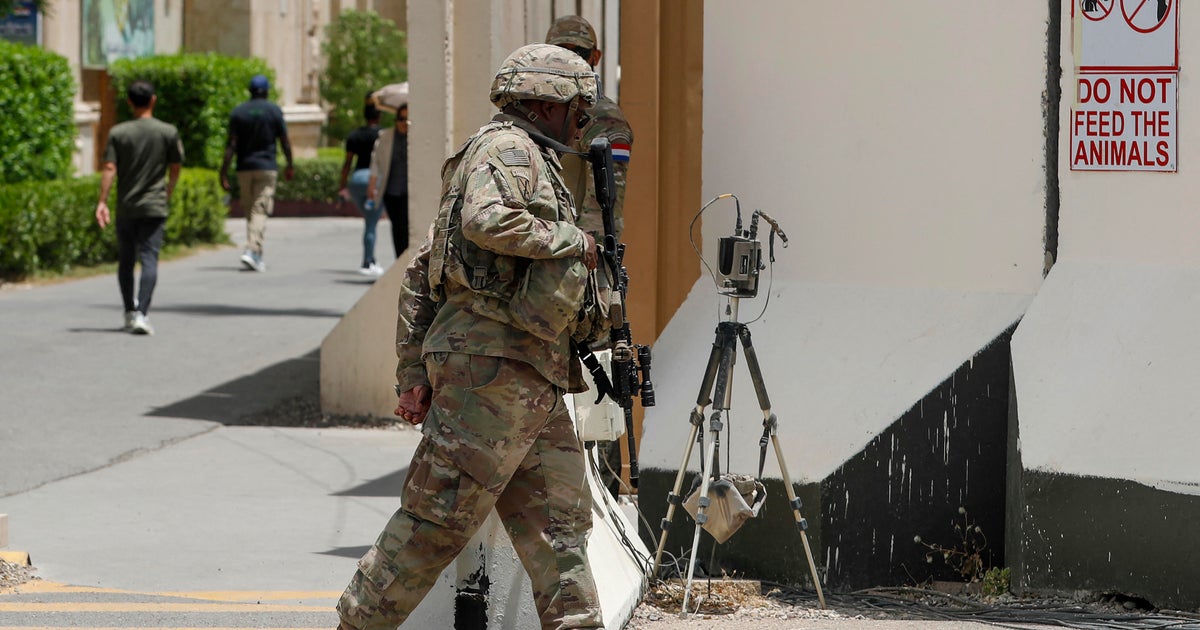
In a significant development reflecting the volatile security situation in the Middle East, NATO has announced the complete withdrawal of several hundred military personnel from Iraq. The alliance confirmed on Friday that the last members of NATO Mission Iraq had departed the country, marking the end of a presence that had been established to support Iraqi security forces. This withdrawal comes at a particularly tense moment, as the region grapples with escalating conflict involving Iran and mounting pressure from various political quarters. The personnel being evacuated represent not only NATO member nations but also partner countries including Austria and Australia, demonstrating the international scope of the mission that is now coming to a close. The decision to pull out these forces wasn’t made lightly, and it represents a careful calculation of risk versus reward as the security landscape in Iraq and the broader Middle East continues to shift dramatically.
The Mission’s Origins and Purpose
NATO Mission Iraq was established in 2018 following a formal request from Iraqi government authorities who were seeking international assistance in strengthening their national security capabilities. The mission was designed as a strictly noncombat operation, with a clear focus on training and capacity-building rather than direct military engagement. NATO personnel worked closely with members of Iraq’s security forces, providing expertise, training, and institutional support to help the country develop more robust and professional military and police capabilities. Importantly, these NATO advisors and trainers were never deployed alongside Iraqi forces during actual combat operations, maintaining the mission’s advisory character. This approach was intended to respect Iraqi sovereignty while still providing meaningful support in the country’s ongoing fight against terrorism and efforts to maintain internal stability following years of conflict with ISIS and other extremist groups. The mission represented NATO’s commitment to supporting regional stability without becoming directly involved in combat operations.
Iran’s Actions Trigger the Withdrawal
The immediate catalyst for NATO’s decision to withdraw its personnel was a series of attacks launched by Iran targeting military installations in Iraq where international forces were stationed. Specifically, Iranian strikes hit British, French, and Italian bases within Iraqi territory, creating an untenable security situation for NATO personnel who were in the country for training purposes rather than combat operations. These attacks underscored the risks associated with maintaining a presence in Iraq during a period of heightened regional conflict, as international forces found themselves potentially caught in the crossfire of disputes in which they weren’t directly involved. The targeting of these bases by Iran represented a significant escalation and a clear message that international military presence in Iraq could become collateral damage in the broader confrontation between Iran and its adversaries. For NATO leadership, the calculus became clear: the safety of personnel had to take precedence, especially when those personnel were engaged in training missions rather than combat operations that might justify accepting higher levels of risk.
Leadership Response and Gratitude
U.S. Air Force General Alexus Grynkewich, who serves as the commander of NATO’s forces in Europe, issued a statement expressing gratitude to both Iraqi authorities and NATO allies who assisted in the complex operation of relocating personnel safely out of the country. His words reflected the professional manner in which the withdrawal was conducted despite the challenging circumstances. “I would also like to thank the dedicated men and women of NATO Mission Iraq, who continued their mission throughout this period. They are true professionals,” Grynkewich stated, acknowledging that the personnel maintained their training and advisory responsibilities even as the security situation deteriorated around them. This recognition highlights the often-overlooked reality of military service: that personnel frequently must continue their duties under increasingly dangerous conditions while evacuation plans are being developed and executed. The successful withdrawal of all NATO personnel without casualties represents a significant logistical achievement and reflects careful planning and coordination between NATO, Iraqi authorities, and the various nations contributing personnel to the mission.
Trump’s Criticism of NATO and Regional Strategy
The withdrawal announcement has emerged against a backdrop of sharp criticism of NATO from President Donald Trump, who has repeatedly expressed frustration with the alliance’s response to the escalating situation in the Middle East. On Friday, Trump took to his Truth Social platform to call NATO “A PAPER TIGER” and “COWARDS,” using characteristically blunt language to express his dissatisfaction with what he perceives as the alliance’s reluctance to provide military support for securing the Strait of Hormuz. This strategically vital waterway, which serves as a critical chokepoint for oil transportation from the Persian Gulf, has become a focal point of tension as regional conflicts threaten to disrupt global energy supplies. Trump’s frustration appears to stem from what he views as a contradiction: NATO allies complaining about high oil prices resulting from the regional instability while simultaneously refusing to participate in military operations that could help secure the energy supply routes that affect their economies. “They didn’t want to join the fight to stop a Nuclear Powered Iran,” Trump wrote, suggesting that NATO allies had been unwilling to support more aggressive action against Iran’s nuclear program. Now that he claims that fight is “Militarily WON, with very little danger for them,” Trump argues that NATO should be willing to assist in securing the Strait of Hormuz, which he describes as “a simple military maneuver that is the single reason for the high oil prices” affecting global markets.
Implications for Future NATO Operations and Regional Stability
This withdrawal and the surrounding political tensions raise important questions about the future of NATO operations in unstable regions and the alliance’s role in addressing conflicts beyond its traditional European theater. The end of NATO Mission Iraq represents not just a tactical retreat from a dangerous situation, but potentially a broader reassessment of how and when the alliance should engage in training and support missions in volatile regions. The criticism from President Trump, while perhaps more colorfully expressed than diplomatic norms typically allow, reflects genuine tensions within the alliance about burden-sharing, risk tolerance, and strategic priorities. European NATO members often have different threat perceptions and strategic interests than the United States, particularly regarding Middle Eastern conflicts and energy security. While European nations are indeed heavily dependent on oil transported through the Strait of Hormuz, they may calculate that military intervention carries its own risks of escalation that could ultimately prove more costly than elevated oil prices. The Iraqi withdrawal also highlights the challenges of maintaining advisory missions in countries where external powers are engaged in proxy conflicts or direct military action. For Iraq, the departure of NATO trainers represents a setback in efforts to continue professionalizing its security forces, though the country has made significant progress since the mission began in 2018. Moving forward, NATO will need to carefully consider how it can fulfill its commitments to partner nations while protecting its personnel from conflicts in which the alliance itself is not a direct party. The situation also underscores the interconnected nature of modern security challenges, where regional conflicts can quickly impact international missions, energy markets, and alliance relationships in ways that are difficult to predict or manage.