

Iran’s New Supreme Leader Breaks His Silence Amid Questions About His Health
The world got its first official communication from Iran’s newly appointed Supreme Leader, Ayatollah Mojtaba Khamenei, on Thursday, nearly two weeks after he assumed power following the devastating U.S.-Israeli strikes that killed his father, Ali Khamenei, on February 28th. However, the peculiar manner in which this message was delivered has done little to silence the swirling rumors about the new leader’s actual condition and ability to govern during this unprecedented crisis.
A Message Shrouded in Mystery
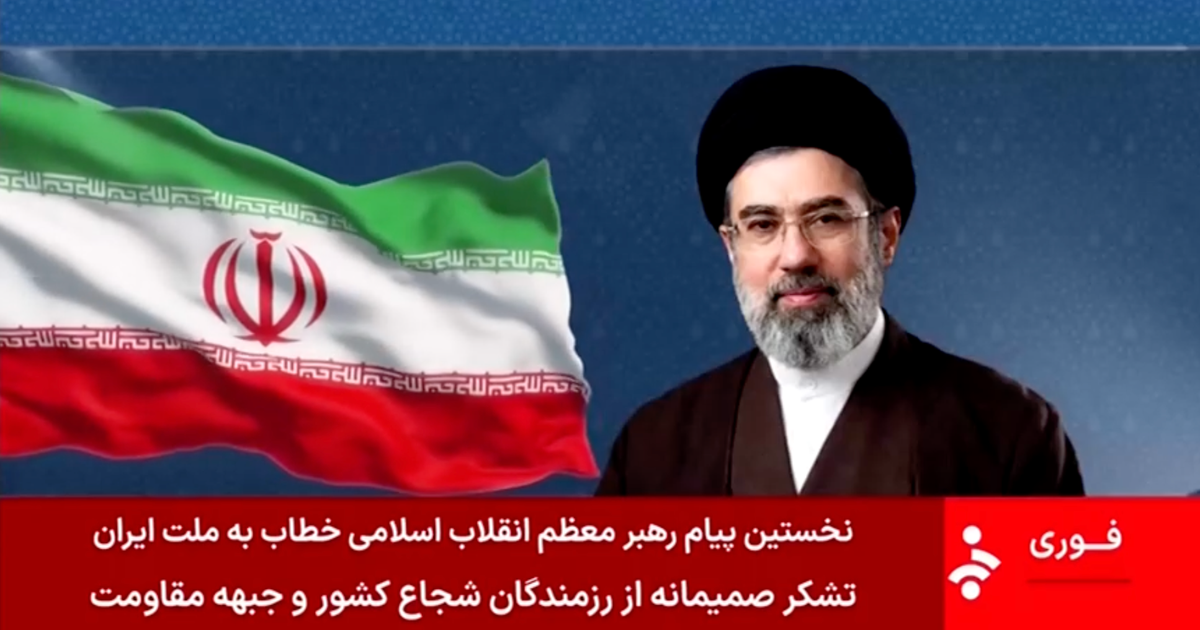
Iranian state television broadcast what they claimed was a statement from the new Supreme Leader, but notably, viewers didn’t see or hear from Mojtaba Khamenei himself. Instead, a television presenter read the words while a static photograph of Khamenei appeared on screen. For a leader trying to project strength and continuity during wartime, this unusual format raised more questions than it answered. Why wasn’t the Supreme Leader speaking directly to his people during their darkest hour? The absence of any video or audio from Khamenei himself has fueled speculation that he may have been seriously injured—or worse—in the same attack that killed his father and mother. While an Iranian official insisted on Wednesday that the new leader was “alive and well” despite being injured in the strikes, the fact that he hasn’t been seen publicly since the war began has many observers wondering about the true state of his health and whether he might even be in a coma, as some rumors suggest.
Following in Impossible Footsteps
In the statement attributed to him, Mojtaba Khamenei struck a surprisingly humble tone, acknowledging the enormous challenge of succeeding his father. He revealed that he learned of his appointment the same way ordinary Iranians did—by watching state television—a detail that speaks to the chaotic circumstances surrounding the leadership transition. His words painted a picture of a man grappling with suddenly inheriting the reins of power during a national emergency. He described visiting his father’s body after the attack, saying he saw “a mountain of strength” and noting that his father’s healthy hand remained clenched in a fist even in death—a powerful image meant to convey defiance and determination. During the period between his father’s death and his formal appointment, Khamenei credited the Iranian people themselves with keeping the country together, saying “it was you, the people, who led the country and guaranteed its authority.” This was an unusually populist message from a regime not known for democratic sensibilities, perhaps reflecting both the gravity of the moment and the new leader’s recognition that he needs public support to maintain legitimacy.
A Strategy of Defiance and Expansion
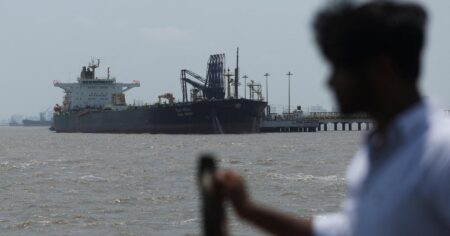
Despite the uncertain circumstances of his leadership, the new Supreme Leader’s statement made clear that Iran has no intention of backing down. He expressed “sincere gratitude” to Iran’s military forces and specifically endorsed the continued use of one of Iran’s most powerful weapons: blocking the Strait of Hormuz, the narrow waterway through which roughly a fifth of the world’s oil passes. Even more ominously, Khamenei hinted at escalation, saying that “studies have been conducted on opening other fronts in which the enemy has little experience and will be extremely vulnerable in them.” This cryptic threat suggests Iran is looking for new and unexpected ways to strike back at the United States and Israel, targeting their perceived weaknesses. He also praised Iran’s network of proxy forces across the Middle East—what Iran calls the “Resistance Front”—describing them as the Islamic Republic’s “best friends.” He specifically thanked Yemen’s Houthi rebels for their support of Palestinians in Gaza, Lebanon’s Hezbollah for coming to Iran’s aid “despite all obstacles,” and Iraqi resistance groups for their courage. The reality on the ground, however, is more complicated. The Houthis haven’t actually joined the fight against the U.S. and Israel yet, while Hezbollah is currently dealing with a massive Israeli military assault in Lebanon that has significantly expanded this week.
Personal Loss and Promises of Vengeance
One of the most emotionally resonant parts of Khamenei’s statement was his acknowledgment of the personal toll the conflict has taken—not just on him, but on countless Iranian families. He expressed sympathy to those who had lost loved ones or suffered injuries and property damage in the U.S.-Israeli strikes, and revealed that beyond his father, he had also lost his wife, sister, and other relatives in the attacks. This humanizing detail was clearly meant to show that the Supreme Leader shares in the suffering of ordinary Iranians, that he too is grieving and angry. But Khamenei didn’t just offer sympathy—he made promises of revenge. He told grieving families to have patience and faith, assuring them that Iran would “not refrain from avenging the blood of your martyrs.” He emphasized that this wasn’t just about his father’s death, but about every Iranian killed by the enemy, declaring that “every member of the nation who is martyred by the enemy is an independent subject for the revenge case.” His promise of compensation was specific and chilling: Iran would demand payment from its enemies, and if they refused, Iran would either seize their property or destroy an equivalent amount. These weren’t empty threats—they were policy statements that signal Iran’s intention to extract a heavy price for the attacks it has suffered.
Justifying Attacks on Neighboring Countries
Perhaps the most diplomatically sensitive part of Khamenei’s message was his attempt to explain why Iran has been launching missiles and drones at other Gulf nations—countries that are supposed to be Iran’s neighbors, if not quite friends. Over the past two weeks, several of these regional countries have found themselves in Iran’s crosshairs, creating a dangerous expansion of the conflict. Khamenei’s statement tried to thread a difficult needle, insisting that Iran has always wanted and still wants “warm and constructive relations” with all its neighbors. However, he accused the United States of gradually establishing “military and financial bases” in these countries over the years to maintain American dominance in the region. According to Khamenei’s logic, Iran isn’t really attacking these countries themselves—it’s attacking the American and Israeli military installations located within their borders. He claimed that “some military bases were used” in the ongoing assault on Iran, and that Iran had “explicitly warned” it would strike those bases, which it has now done. His message to these Gulf nations was clear but contradictory: Iran still wants friendship, but if you host bases used to attack Iran, those bases will be destroyed. He recommended that these countries “close those bases as soon as possible,” arguing that they should have realized by now that American promises of security and peace were “nothing more than a lie.” This is a remarkable position—essentially telling sovereign nations that Iran will continue to violate their territory and strike military installations within their borders, while simultaneously claiming to desire good relations with them.
What This Statement Reveals About Iran’s Situation
The manner and content of this first statement from Iran’s new Supreme Leader reveals as much through what it doesn’t say as through what it does. The absence of video or audio from Khamenei himself, combined with his admission that he was surprised by his own appointment, paints a picture of a leadership in crisis, scrambling to maintain control and project strength while dealing with devastating losses. The statement attempts to balance multiple audiences and objectives: reassuring Iranians that leadership continues despite catastrophic attacks; warning enemies that Iran will retaliate and escalate; justifying attacks on neighboring countries while claiming to want peace with them; and rallying proxy forces across the region to Iran’s cause. Whether this message will be effective in achieving these goals remains to be seen, but one thing is certain—until Mojtaba Khamenei appears publicly and demonstrates that he is actually in command, questions about Iran’s leadership and stability will continue to undermine the regime’s credibility both at home and abroad. In a time of war, when decisive leadership is most needed, Iran’s Supreme Leader remains invisible, known only through words read by others, his true condition a matter of speculation and rumor.