



Deadly Mushroom Outbreak Claims Lives Across California
An Unprecedented Surge in Death Cap Poisonings
California is experiencing a devastating public health crisis as death cap mushrooms proliferate across the state following an unusually rainy winter season. The deadly fungi have claimed four lives and forced three additional people to undergo emergency liver transplants since mid-November. Health officials report that more than three dozen cases of death cap poisoning have been documented, marking an alarming spike from the typical two to five cases seen in an average year. According to Dr. Craig Smollin, medical director for the San Francisco Division of the California Poison Control System, the sheer magnitude of this year’s outbreak is extraordinary. “The main thing this year is just the magnitude, the number of people ingesting this mushroom,” Smollin explained. “Having almost 40 is very unusual.” The victims have ranged widely in age, from a toddler of just 19 months to adults as old as 67 years. Many of those who sought medical attention suffered from rapidly progressing acute liver injury and liver failure so severe that several patients required intensive care treatment. The California Department of Public Health has issued urgent warnings advising people to completely avoid mushroom foraging this year, as death cap mushrooms are easily mistaken for safe, edible varieties that people have traditionally gathered.
Understanding the Deadly Death Cap Mushroom
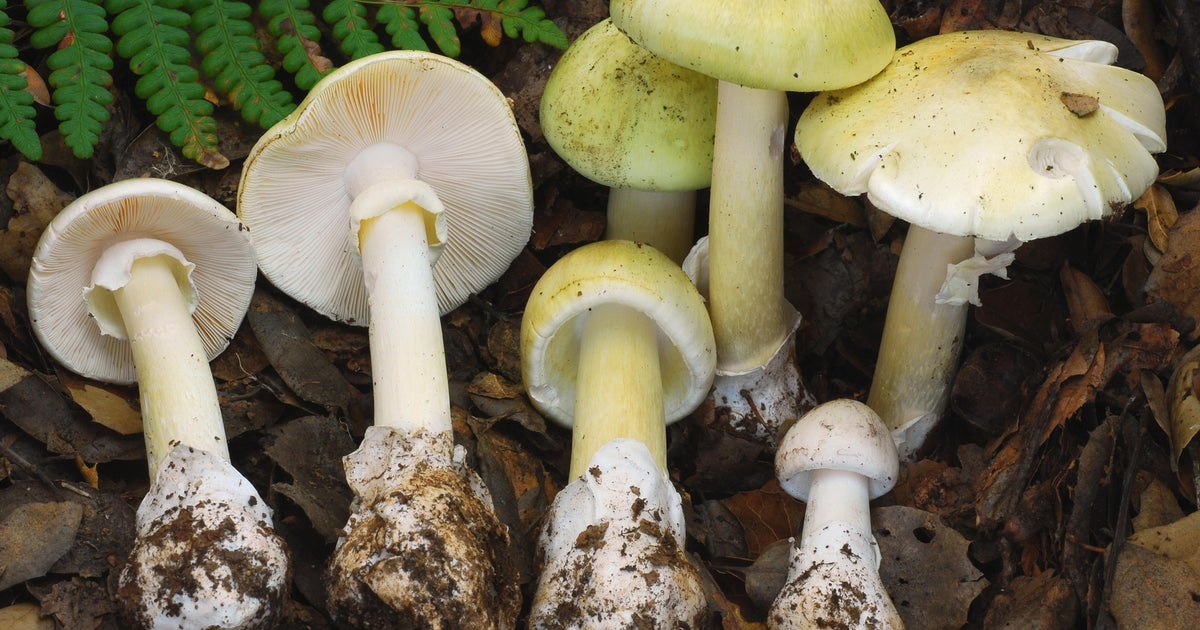
The death cap mushroom lives up to its ominous name as one of the most poisonous mushrooms in the entire world. This deadly fungus belongs to a small but dangerous group of mushrooms containing amatoxins, highly potent compounds responsible for approximately 90% of all fatal mushroom poisonings globally. What makes this situation particularly dangerous is how widespread these mushrooms have become throughout California. They’re not confined to remote wilderness areas—death caps can be found in city parks, residential neighborhoods, and forests, often growing beneath oak trees where families might gather for picnics or where children play. The perfect storm of warm fall temperatures combined with early seasonal rains has created what experts describe as a “super bloom” of death cap mushrooms throughout California this year, creating an environmental hazard of unprecedented scale. Health experts emphasize that eating even a small amount of death cap mushroom can prove fatal, and they warn the public that a mushroom’s color cannot be reliably used to detect its toxicity. Whether the death cap variety is consumed raw, dried, or cooked makes absolutely no difference—the deadly amatoxins remain just as potent and dangerous regardless of preparation method.
A Family’s Tragic Story Highlights the Danger
The human cost of this outbreak is tragically illustrated by the experience of Laura Marcelino and her family in the Northern California town of Salinas. The 36-year-old mother told the San Francisco Chronicle that her family gathered mushrooms that appeared identical to varieties she and her husband had safely foraged for years in their native Oaxaca, a state in Southern Mexico. “We thought it was safe,” Marcelino said in Spanish, expressing the heartbreaking confusion that has affected so many families this year. Believing they had found familiar, edible mushrooms, the couple prepared and ate them. When her husband experienced only mild symptoms the next day—dizziness and fatigue—the family’s concerns were eased, and they felt confident enough to eat the mushrooms again, this time heating them in a soup served with tortillas. Fortunately, their children, who don’t like mushrooms, refused to eat any. The following day, both adults, who work as seasonal farmworkers, became severely ill with vomiting and were unable to go to work. While Marcelino spent five difficult days hospitalized, her husband’s condition deteriorated so dramatically that he required an emergency liver transplant to survive. Their story represents just one family among dozens affected by this year’s unprecedented outbreak, demonstrating how easily experienced foragers can mistake deadly mushrooms for safe varieties they’ve consumed for generations.
Recognizing Symptoms and Geographic Distribution
Medical experts warn that people can experience stomach cramping, nausea, diarrhea, or vomiting within 24 hours after ingesting a toxic mushroom, and the situation can deteriorate rapidly from that point. What makes death cap poisoning particularly insidious is that early symptoms may actually disappear within a day, creating a false sense of security and recovery. However, serious to fatal liver damage can still develop within 2 to 3 days, even after symptoms seem to have resolved. Death cap mushrooms have been collected and identified in local and national parks across Northern California and the Central Coast region. Significant clusters have been identified in the Monterey area and throughout the San Francisco Bay region, affecting both urban and rural communities. The California Department of Public Health has noted that those poisoned have included many Spanish, Mixteco, and Mandarin Chinese speakers, prompting the state to expand their public health warnings in multiple languages to reach affected communities more effectively. According to health department data, Spanish was the primary language for more than 60% of people poisoned, suggesting that immigrant communities who maintain traditional mushroom foraging practices from their countries of origin may be at particular risk. The death cap mushroom resembles many fungi varieties from around the world that are perfectly safe to eat, and it changes in appearance during different growth stages, making identification even more challenging for the untrained eye.
Why Death Caps Are So Difficult to Identify
Dr. Smollin explained that death cap mushrooms undergo significant visual changes as they develop, starting with a brownish-white cap that transforms to a greenish cap as the mushroom matures. This variability in appearance makes them especially treacherous for foragers who rely on visual identification. “Unless you’re an expert who studies mushrooms, it can be very difficult to know,” Smollin cautioned, emphasizing that even experienced amateur foragers should not trust their ability to distinguish safe mushrooms from deadly ones this year. The current outbreak has affected not just adults but children as well, adding another layer of concern for parents and caregivers. Health officials strongly advise keeping a watchful eye on children and pets when they’re outside in areas where mushrooms grow, as curious toddlers and animals may be tempted to taste unfamiliar fungi. The safest approach, experts unanimously agree, is to purchase mushrooms only from trusted grocery stores and established sellers rather than foraging for wild mushrooms under any circumstances this year. The risk simply isn’t worth taking when the consequences can be so devastating and the death cap mushrooms are so abundant and difficult to identify with certainty.
Seeking Help and National Trends
Because treatment becomes significantly more difficult once symptoms have started, doctors strongly advise people to seek immediate medical care as soon as someone becomes aware that they have eaten a poisonous mushroom or even suspects they might have consumed one. Time is absolutely critical in these cases, and early intervention can make the difference between life and death or the need for a liver transplant. Interestingly, this crisis isn’t limited to California alone. U.S. Poison Centers reported to The Associated Press that they have seen a 40% increase in exposures to all varieties of mushrooms—not just the death cap—from September through January compared to the same period the previous year. While not all exposures result in actual illness or poisoning, the trend suggests that more people are foraging for wild mushrooms, possibly due to increased interest in sustainable food practices, economic pressures, or cultural traditions. For anyone concerned about possible mushroom poisoning or who has questions about mushrooms they’ve found or consumed, U.S. Poison Control Centers can be reached 24 hours a day at 1-800-222-1222 or through their website at PoisonHelp.org. These resources provide immediate expert guidance and can help coordinate emergency medical care when needed. As California continues to grapple with this unprecedented outbreak, the message from public health officials remains clear and urgent: avoid foraging for wild mushrooms entirely this year, purchase mushrooms only from reputable commercial sources, supervise children and pets in areas where mushrooms grow, and seek immediate medical attention if poisoning is suspected.