


Uvalde Families Reach Settlement Over Robb Elementary School Tragedy
A Step Toward Healing After Unimaginable Loss
In a significant development following one of America’s most heartbreaking school tragedies, the families of victims from the Robb Elementary School mass shooting have reached a settlement with the city of Uvalde, Texas. The agreement was unanimously approved during a city council meeting on Tuesday night, marking what many hope will be an important step toward healing for a community that has been forever changed. Josh Koskoff, one of the lead attorneys representing the grieving families, confirmed the settlement to ABC News, though he stopped short of revealing the specific financial terms or all details of the arrangement. What is clear, however, is that this settlement represents more than just monetary compensation—it’s an attempt by families to ensure that the mistakes that cost their loved ones’ lives will never be repeated, and that the memories of those lost will be honored in perpetuity.
The lawsuit at the heart of this settlement stems from the devastating events of May 24, 2022, a day that will forever be etched in the collective memory of Uvalde and the nation. On that fateful morning, a gunman entered Robb Elementary School and carried out a massacre that claimed the lives of 19 innocent children and two dedicated teachers. The horror of that day was compounded by what many saw as a catastrophic failure in the law enforcement response. According to reports, 376 law enforcement officers were on the scene, yet basic protocols that could have potentially saved lives were not followed. Parents stood outside the school in anguish, some even attempting to enter the building themselves while officers remained in the hallway for over an hour before finally confronting the shooter. This delayed response became a focal point of national outrage and formed the basis of the families’ legal action against the city.
More Than Money: Demanding Systemic Change
While the settlement does include a monetary component to be paid through the city’s insurance, the families’ demands went far beyond financial compensation. In their lawsuit filed in May 2024, the plaintiffs outlined a comprehensive set of reforms they wanted to see implemented in Uvalde. Among their primary requests was a complete overhaul of the Uvalde Police Department’s standards and practices. They called for the implementation of new fitness standards for officers, recognizing that the physical and mental preparedness of law enforcement can be critical in emergency situations. Additionally, they demanded enhanced and ongoing officer training, particularly for active shooter scenarios—a tragic reality that all communities must now prepare for in our modern age. These families, in their grief, showed remarkable foresight and community spirit by using their lawsuit not just to seek justice for their own losses, but to protect future generations of Uvalde children.
The families’ vision for accountability and remembrance extended into other meaningful areas as well. They requested that the city maintain the cemetery where many of their beloved children and teachers are laid to rest, ensuring that these sacred grounds would be cared for with the dignity and respect the victims deserve. They also asked for transparency regarding the donations that poured in from around the world following the tragedy, requesting an updated accounting of how these funds were received and spent. Perhaps most poignantly, the families asked the city to officially designate May 24 as a day of remembrance in Uvalde, ensuring that their community would never forget the lives lost and the lessons learned. They also called for the creation of a committee to establish a permanent memorial in town—a place where residents and visitors could come to reflect, mourn, and remember the bright futures that were stolen that day.
A Community’s Collective Responsibility
Josh Koskoff’s statement following the settlement approval captured both the frustration and the hope that these families have carried through their long journey toward justice. “No community is truly equipped to deal with the abject horror and heartbreaking aftermath of a mass shooting carried out with an AR-15,” he acknowledged, speaking to a painful reality that has become all too common in American society. Yet he didn’t shy away from pointing out the failures that compounded this tragedy: “Still, 376 law enforcement officers failed to follow even basic protocols at Robb Elementary that could have saved lives.” His words reflect the dual nature of this tragedy—both the overwhelming challenge of responding to such violence and the inexcusable failure to implement even the most basic emergency procedures. Koskoff went on to praise the families for their difficult decision to settle, noting that they “worked with the community they love to make things right without creating deeper economic hardship.” This sentiment reveals the complex position these families found themselves in—seeking accountability while also recognizing that bankrupting their hometown would only create more suffering for their neighbors and friends.
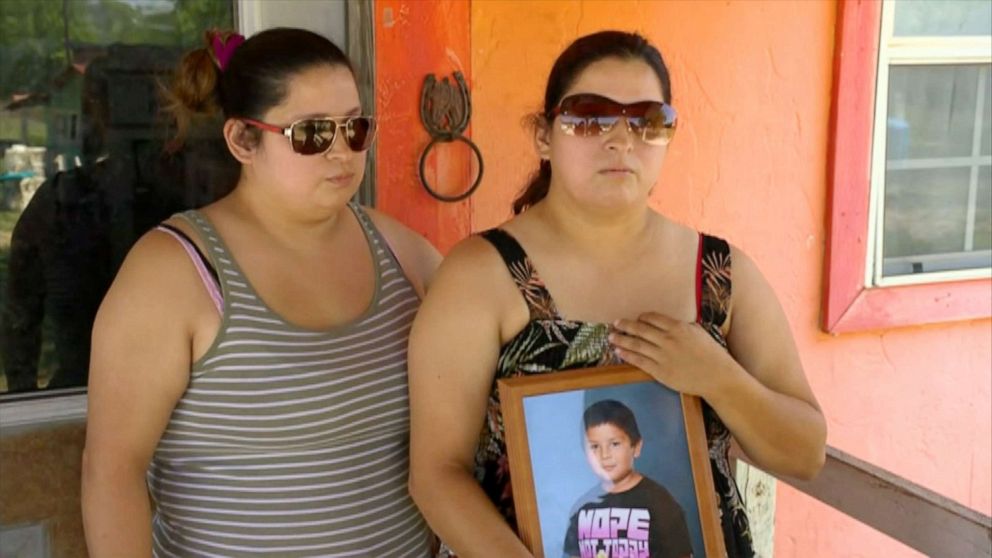
The attorney’s closing remarks acknowledged the long road still ahead: “The road to healing is long and painful, but we are hopeful that this agreement enables families who lost so much and the city they call home to continue that process.” This settlement represents all 21 victims’ families, though Koskoff did not disclose all parties listed as plaintiffs in the lawsuit. The unity among these families—each dealing with unspeakable loss in their own way—speaks to the strength of their community bonds and their shared determination to find meaning and create positive change from their tragedy. One can only imagine the courage it took for mothers like Evadulia Orta, who lost her son Rojelio Torres, to continue fighting for change while carrying the weight of their grief. Their persistence has ensured that their children’s deaths will lead to reforms that could protect other families from experiencing similar heartbreak.
Moving Forward Together
Uvalde Mayor Hector Luevano’s response to the settlement reflected the city’s commitment to honoring the families’ requests and working collaboratively toward healing. “In addition to working directly with many families to guide collaborative education and community reconciliation efforts, the City will work with the committee representatives of the families, community and city for a permanent memorial at the Plaza and promote the shared healing of the Robb families and the broader community,” he stated. His words indicate that the city leadership is taking seriously their responsibility not just to compensate the families financially, but to create lasting change in how Uvalde remembers this tragedy and prepares for the future. The mayor also emphasized the city’s support for the Uvalde Police Department’s “Guardian Initiative,” which includes enhanced emergency training and evaluation for officers, as well as mental health support for law enforcement personnel. This acknowledgment of the need for better training and mental health resources represents a significant step forward, recognizing that protecting a community requires properly prepared and supported officers.
The mayor’s commitment to “instill trust and confidence in the men and women who take on the critical responsibility of protecting all Uvalde residents” speaks to one of the most difficult challenges facing this community—rebuilding faith in the institutions that failed them on that terrible day. The settlement, with its emphasis on systemic reforms, memorial efforts, and ongoing collaboration between the city and the families, offers a framework for how Uvalde might begin to move forward. Mayor Luevano concluded by expressing hope for “continued work and collaboration with the Robb families to ensure the Uvalde community can move forward on a path of collective healing and reconciliation.” While no amount of money, no memorial, and no policy change can bring back the children and teachers who were lost, this settlement represents a community’s attempt to honor their memory through action—ensuring that their deaths were not in vain and that Uvalde will be better prepared to protect its most precious resource: its children. The road ahead remains long, and the pain will never fully disappear, but this settlement offers a foundation upon which a devastated community can begin to rebuild, remember, and hopefully, prevent such tragedy from ever happening again.