


Federal Investigation into Nike’s Alleged Discrimination Against White Employees
EEOC Launches Formal Inquiry
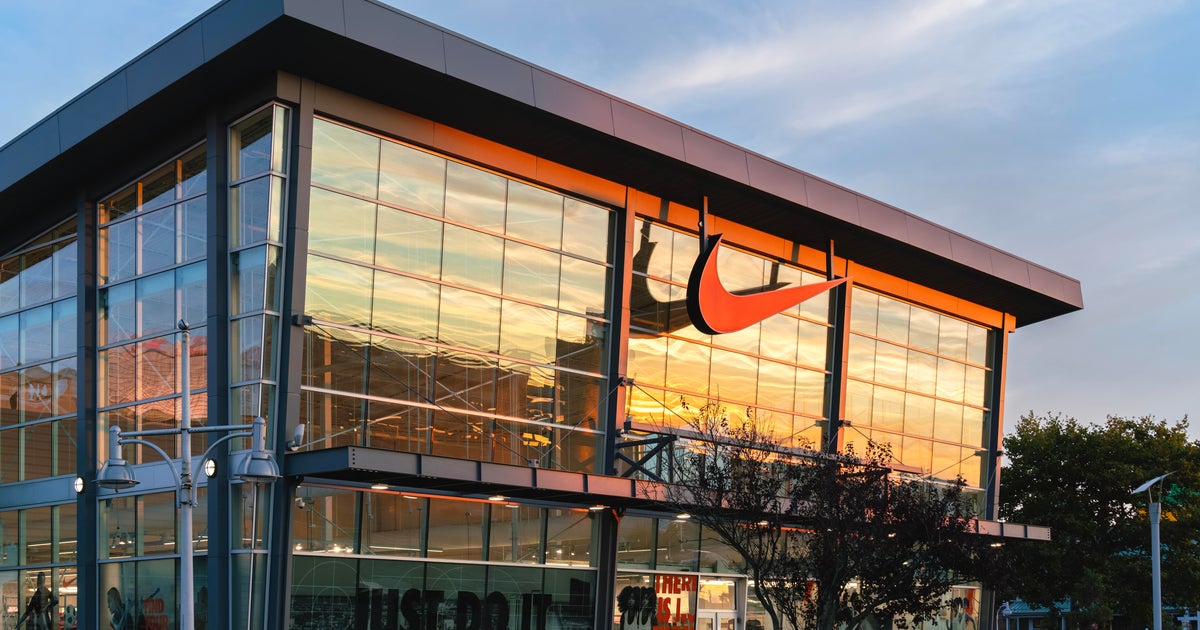
The U.S. Equal Employment Opportunity Commission (EEOC), the federal agency responsible for enforcing workplace anti-discrimination laws, announced on Wednesday that it has opened an investigation into Nike, one of the world’s largest athletic apparel manufacturers. The probe centers on serious allegations that the company may have engaged in discriminatory practices against White employees and job applicants. According to court documents filed by the EEOC, there are concerns that Nike may have participated in “a pattern or practice of disparate treatment against White employees, applicants and training program participants” across multiple aspects of employment, including hiring decisions, promotional opportunities, workplace development programs, and even layoff selections. This investigation represents a significant development in the ongoing national conversation about workplace diversity programs and their implementation, particularly as it involves one of America’s most recognizable and influential corporate brands. The EEOC’s decision to take legal action signals the seriousness of the allegations and the agency’s commitment to ensuring that civil rights laws are applied evenly across all demographic groups, regardless of race or ethnicity.
Nike’s Response and Cooperation Efforts
In response to the EEOC’s announcement and court filing, a Nike spokesperson issued a statement expressing the company’s surprise at what they characterized as an “unusual escalation” of the matter. The company maintains that it has been making genuine efforts to work with the federal agency by providing requested information in an attempt to “engage constructively” throughout the investigative process. Nike’s official position emphasizes its commitment to maintaining fair and lawful employment practices across all its operations, stating unequivocally that the company follows all applicable laws, including those specifically designed to prohibit discrimination in the workplace. The spokesperson further asserted that Nike believes its programs and practices are fully consistent with its legal obligations and that the company takes these serious allegations very seriously. Despite their surprise at the legal action, Nike has pledged to continue its attempts to cooperate with the EEOC and promised to respond appropriately to the petition. This response reflects the delicate position major corporations find themselves in when balancing diversity initiatives with legal requirements to ensure no group faces discrimination in employment decisions.
The Legal Action and Information Requests
The EEOC’s decision to file a subpoena enforcement action in federal court in Missouri came after the agency determined that Nike had failed to provide information that had been formally requested through subpoena. This legal escalation indicates that the agency felt it had no alternative but to seek court intervention to obtain the materials necessary for its investigation. The scope of the EEOC’s information requests is quite extensive, reaching back to 2018 and covering a wide range of employment practices and policies. Specifically, the agency has asked Nike to provide detailed information about the criteria the company used to select employees for layoffs during various reduction-in-force actions over the past several years. Additionally, the EEOC is seeking comprehensive information on how Nike tracks, collects, and utilizes workers’ race and ethnicity data throughout its employment processes. These requests suggest that investigators are looking for patterns or evidence that might support allegations of systematic discrimination. The investigation is reportedly focused on allegations of discrimination connected to Nike’s diversity, equity, and inclusion (DEI) objectives that the company had established for 2025, suggesting concerns that well-intentioned diversity programs may have been implemented in ways that created unintended discriminatory outcomes for certain groups.
Historical Context and Legal Framework
The EEOC operates under authority granted by Title VII of the Civil Rights Act of 1964, landmark legislation that fundamentally transformed American workplaces by prohibiting employment discrimination based on race, color, religion, sex, or national origin. This foundational civil rights law was created during a pivotal moment in American history when the nation was grappling with systemic discrimination and working to establish legal frameworks to ensure equal opportunity for all citizens. The law’s protections apply to all individuals regardless of their demographic background, meaning that discrimination against any racial group, including White employees, violates the same legal standards that protect minority workers. Andrea Lucas, whom President Trump nominated as EEOC chair in November 2025, framed the investigation as part of a renewed commitment to enforcing civil rights laws fairly across all groups. In her statement, Lucas emphasized that “thanks to President Trump’s commitment to enforcing our nation’s civil rights laws, the EEOC has renewed its focus on evenhanded enforcement of Title VII.” This statement signals a potential shift in the agency’s priorities and approach to investigating workplace discrimination complaints, particularly those involving claims of reverse discrimination in connection with diversity programs.
Broader Pattern of DEI Program Scrutiny
The EEOC’s investigation of Nike does not exist in isolation but rather represents part of a broader pattern of federal scrutiny of diversity, equity, and inclusion programs under the current administration. The U.S. Department of Justice has launched a series of investigations into various organizations and state governments that have implemented DEI programs, examining whether these initiatives comply with federal anti-discrimination laws. According to several former Department of Justice employees who spoke with CBS News, there has been a noticeable shift in the department’s enforcement priorities, with increasing focus on efforts to protect White individuals against what some characterize as “reverse discrimination.” This term refers to situations where members of traditionally majority groups claim they have faced discrimination as a result of policies or programs designed to increase opportunities for historically underrepresented minorities. A Justice Department spokesperson defended these investigations, arguing that some DEI initiatives have resulted in “blatant, widespread race and sex discrimination in violation of federal law.” This position reflects ongoing legal and philosophical debates about how organizations can pursue diversity goals while remaining in compliance with civil rights laws that prohibit making employment decisions based on race or other protected characteristics.
Implications for Corporate America and Future Outlook
The Nike investigation carries significant implications that extend far beyond a single company, potentially affecting how corporations across America design and implement their diversity and inclusion programs. Many major companies have invested substantial resources in DEI initiatives in recent years, particularly following the social justice movements of 2020, making diversity recruitment, retention, and promotion key strategic priorities. However, the EEOC’s action against Nike may prompt corporate legal departments and human resources professionals to carefully reexamine their diversity programs to ensure they are pursuing inclusion goals through race-neutral means or programs that can withstand legal scrutiny under Title VII. The challenge facing modern corporations is finding ways to create genuinely diverse and inclusive workplaces while ensuring that no individual faces discrimination based on their race, regardless of whether they belong to historically advantaged or disadvantaged groups. As this investigation unfolds, it will likely be watched closely by legal experts, corporate diversity professionals, and civil rights advocates across the ideological spectrum. The outcome could establish important precedents regarding the permissible scope and methods of corporate diversity initiatives, potentially reshaping how American businesses approach these sensitive issues in the years ahead. For now, Nike finds itself at the center of a national conversation about equality, fairness, and the proper application of civil rights protections in an era when many organizations are actively working to address historical inequities while simultaneously ensuring they don’t create new forms of discrimination in the process.