


The Great Precious Metals Shake-Up: Understanding the Gold and Silver Market Turbulence
A Stunning Reversal in Precious Metals Markets
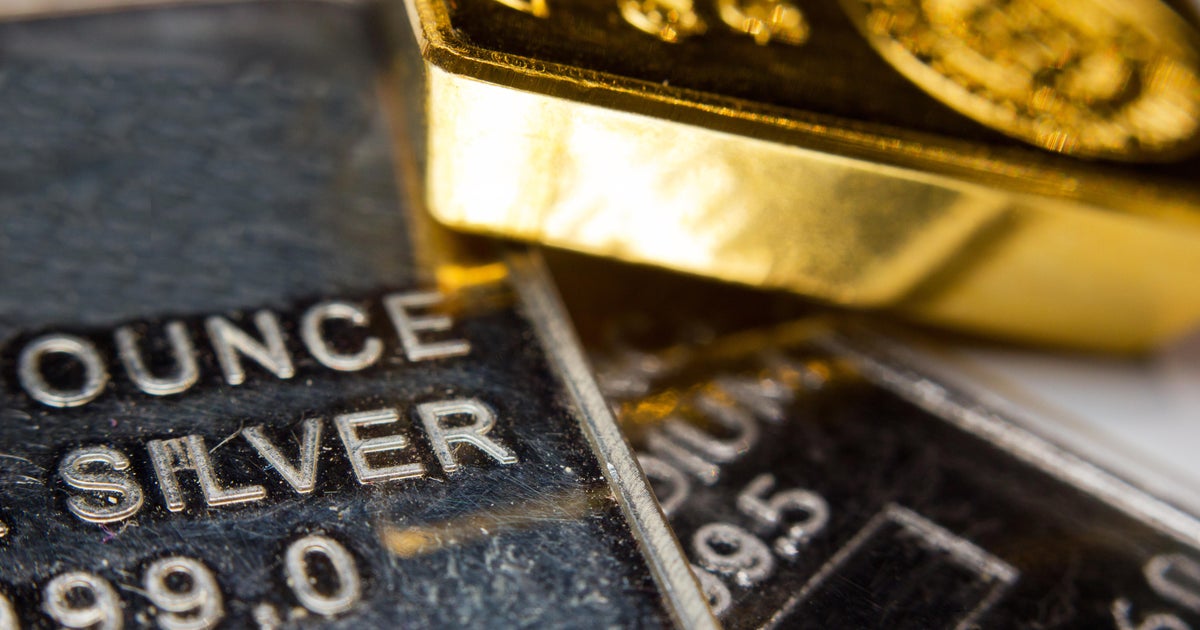
The glittering appeal of gold and silver has suddenly lost some of its luster in dramatic fashion. After reaching unprecedented heights just last week, with gold soaring past the $5,500 per ounce mark, both precious metals have experienced a jarring correction that has left investors reeling. The selloff that began on Friday marked a historic moment in commodity markets – gold suffered its most significant single-day plunge since 2013, while silver experienced an even more devastating blow, plummeting by more than 31% in a single trading session. By late morning trading, gold had recovered somewhat to settle around $4,779 per ounce, while silver bounced back to approximately $81. However, after dipping below $4,500 during overnight trading, the volatility has left market watchers questioning whether this represents a temporary correction or the beginning of a more substantial downturn in precious metals valuations.
The Perfect Storm: What Triggered the Metals Meltdown
Understanding what caused this dramatic reversal requires looking at the complex web of factors that had been building in global markets. For much of the past year, investors had been flooding into gold and silver as safe-haven assets, driven by growing anxieties about the state of the world economy and political landscape. Rising geopolitical tensions, coupled with mounting concerns about government debt levels spiraling upward across the United States and other major economies, created an environment where precious metals seemed like the smartest place to park your money. These traditional stores of value have historically thrived during periods of uncertainty, and recent times have certainly provided plenty of that.
The immediate catalyst for Friday’s selloff came from an unexpected source: President Trump’s announcement that he would nominate Kevin Warsh to succeed Jerome Powell as chair of the Federal Reserve. While Warsh has publicly advocated for lowering interest rates over the past year, his overall reputation on Wall Street is that of an inflation “hawk” – someone who prioritizes keeping prices stable even if it means keeping interest rates higher for longer. With consumer prices still running above the Federal Reserve’s 2% annual inflation target, analysts believe Warsh might resist the kind of aggressive interest rate cuts that President Trump has been calling for. This matters enormously for gold prices because of a fundamental relationship: when interest rates rise, gold becomes less attractive to investors since holding the metal doesn’t generate any interest income, prompting many to shift their money into stocks and other assets that offer the possibility of higher returns.
The Dollar’s Comeback and Its Ripple Effects
Another crucial piece of the puzzle involves the U.S. dollar, which had been languishing at four-year lows before rebounding sharply following the Warsh nomination announcement. The relationship between gold and the dollar is like a financial seesaw – when one goes up, the other typically goes down. JPMorgan analysts pointed to this dollar recovery as a key factor in the precious metals selloff. Gregory Shearer, who serves as executive director of global commodities research at JPMorgan, explained to clients that the Warsh nomination served as “the trigger that leads to very swift, significant de-risking” in the market. The strengthening dollar made gold more expensive for international buyers using other currencies, dampening demand and accelerating the price decline. This dynamic created a cascading effect across global markets, as the interconnected nature of modern finance meant that movements in currency markets quickly translated into turbulence in commodity markets.
The Leverage Problem: When Borrowed Money Turns Against You
Beyond these headline-grabbing factors, another more technical but equally important element contributed to the severity of the selloff: leverage. During gold’s remarkable run-up over the past year, many investors had borrowed substantial amounts of money to amplify their positions in precious metals, betting that the upward trend would continue. This strategy works beautifully when prices keep rising, but it becomes a nightmare when the market turns against you. As gold and silver prices began falling, these leveraged investors suddenly faced margin calls – requirements from their brokerage firms to deposit additional funds to maintain their positions. Nigel Green, CEO of financial consulting firm deVere Group, explained that many of these investors either chose to sell their holdings or were forced to do so by their brokers. This created a self-reinforcing downward spiral where selling begat more selling, pushing prices even lower “regardless of fundamentals.” In other words, the technical mechanics of the market took over, driving prices down beyond what the underlying economic factors alone might have justified.
Crystal Ball Gazing: Where Do Precious Metals Go From Here?
The million-dollar question – or perhaps the multi-thousand-dollar-per-ounce question – is what happens next for gold and silver. Wall Street’s finest minds are offering divergent opinions, reflecting genuine uncertainty about the path forward. Some analysts remain optimistic about precious metals’ prospects. Nigel Green of deVere Group believes that while the recovery might not happen overnight or be particularly dramatic, “the mechanics favor a bounce rather than continued freefall once the forced phase ends.” His view suggests that once the panic selling from leveraged positions subsides, more rational pricing will return to the market. JPMorgan’s commodities team shares this relatively bullish outlook, actually raising their year-end price target for gold to $6,300 per ounce – well above current trading levels. Their analysis suggests that the fundamental factors that drove gold higher in the first place – geopolitical uncertainty, debt concerns, and economic instability – haven’t disappeared just because prices corrected.
However, not everyone shares this rosy outlook. Neil Shearing, group chief economist at Oxford Economics investment advisory firm, takes a decidedly more pessimistic view. He expects gold to finish the year “well below current levels,” suggesting that even after Friday’s dramatic selloff, prices have further to fall. Shearing’s concern centers on what he sees as speculative excess in the market. “While some market participants may be buying gold due to genuine concerns about the global economic and political backdrop, our sense is that market exuberance and a dose of FOMO are inflating a bubble in gold,” he wrote in a research note. The reference to FOMO – fear of missing out – suggests that many recent buyers weren’t motivated by traditional safe-haven considerations but rather by the anxiety of watching others profit from gold’s rise, a classic sign of bubble behavior. This divergence of expert opinion underscores the genuine uncertainty facing precious metals markets. The coming months will reveal whether the recent surge represented a sustainable response to real economic risks or an overblown speculative frenzy destined for further correction. For investors, the turbulence serves as a reminder that even traditional safe havens can experience gut-wrenching volatility, and that in today’s interconnected global markets, factors ranging from Federal Reserve nominations to currency movements to margin call mechanics can all combine to create perfect storms of price action.