

PepsiCo Slashes Snack Prices: What It Means for Your Grocery Bill
Major Price Cuts on America’s Favorite Snacks
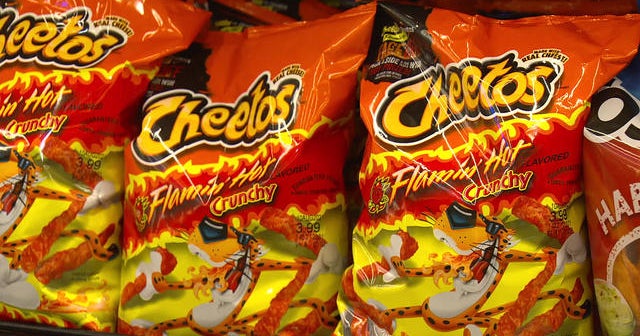
In a move that’s sure to bring smiles to snack lovers across America, PepsiCo has announced significant price reductions on some of its most beloved chip brands. The food and beverage giant is cutting prices by up to 15% on popular products including Cheetos, Doritos, Lay’s, and Tostitos. This announcement, strategically timed just before the Super Bowl weekend when snack consumption reaches its annual peak, represents a notable shift in strategy for a company that has spent the past few years steadily raising prices. PepsiCo is framing this decision as an effort to provide “relief” to everyday Americans who are struggling with the rising cost of living. The new, lower prices are expected to start appearing on store shelves across the United States this week, though the exact timing may vary depending on location and retailer.
Why Now? Understanding PepsiCo’s Pricing Strategy Reversal
The decision to lower prices didn’t happen in a vacuum. PepsiCo has been carefully monitoring consumer behavior and listening to feedback, and what they’ve heard has prompted this significant course correction. According to Rachel Ferdinando, CEO of PepsiCo Foods U.S., the company spent the past year paying close attention to what consumers were saying, and the message was clear: people are feeling financially stretched. “We’ve spent the past year listening closely to consumers, and they’ve told us they’re feeling the strain,” Ferdinando explained in a statement. “Lowering the suggested retail price reflects our commitment to help reduce the pressure where we can.” This consumer feedback was backed up by hard sales data showing that demand for PepsiCo’s snacks had begun to decline after the company implemented a series of price increases. Just in the fourth quarter alone, PepsiCo had raised beverage prices by 7% in North America and snack prices by 1%, contributing to a cumulative effect that was clearly starting to push consumers away from their favorite treats.
The Economics Behind the Decision
While PepsiCo is publicly emphasizing its desire to help consumers, there are solid business reasons driving this decision as well. The company isn’t making this move out of pure altruism; rather, it’s responding to market realities that threaten its bottom line. During a call with Wall Street analysts, PepsiCo CEO Ramon Laguarta revealed that the company had actually been testing price cuts in select markets throughout the previous year, and the results were encouraging. “Volume return is pretty good, and that’s what the category needs,” Laguarta told investors, indicating that lower prices successfully brought customers back to the snack aisle. This strategy represents a classic trade-off in business: accepting lower profit margins per item in exchange for selling significantly more units overall. For PepsiCo, it appears that previous price increases had pushed beyond the sweet spot where they were maximizing revenue, and consumers had started voting with their wallets by purchasing fewer snacks or switching to cheaper alternatives. The company is betting that by reducing prices now, they can recapture lost sales volume and potentially even increase overall revenue despite the lower per-unit prices.
The Bigger Picture: Inflation, Consumer Behavior, and Market Pressures
PepsiCo’s price cuts need to be understood within the broader context of the American economy and changing consumer behavior. Over the past few years, Americans have watched their grocery bills climb steadily higher as food manufacturers and retailers raised prices, often citing increased costs for ingredients, labor, and transportation. While inflation has begun to cool in many categories, food prices have remained stubbornly high, and consumers have increasingly expressed frustration with what they perceive as “greedflation”—companies maintaining high prices even after their own costs have stabilized. This consumer pushback has manifested in various ways, from trading down to store brands to simply buying less of premium products. Additionally, food manufacturers like PepsiCo are facing an unexpected challenge from an entirely different direction: the explosive popularity of weight-loss drugs like Ozempic and Wegovy, which suppress appetite and are causing some users to significantly reduce their snacking. While it’s difficult to quantify exactly how much these medications are impacting snack sales, PepsiCo and other food companies have acknowledged this as a growing concern that’s contributing to softening demand across the category.
What Consumers Can Expect at the Store
For shoppers wondering how this will affect their actual grocery bills, there are a few important details to understand. PepsiCo is reducing its “suggested retail price” by up to 15% on the affected products, which means the actual discount you see may vary. Retailers aren’t required to pass along the full savings to customers, though competitive pressure will likely ensure most do. The good news is that PepsiCo emphasized no other changes are being made to the products—the packaging, portion sizes, and recipes will all remain exactly the same. This is significant because many companies in recent years have engaged in what’s called “shrinkflation,” keeping prices the same while quietly reducing package sizes, effectively raising the per-ounce cost. PepsiCo is taking the opposite approach here, maintaining the same product but genuinely reducing what you’ll pay at checkout. The timing of these price cuts, launching just as the Super Bowl kicks off the spring snacking season and heading into summer gatherings, graduation parties, and barbecues, seems designed to maximize impact and goodwill with consumers. Whether you’re stocking up for game day or just grabbing your regular grocery staples, you should start seeing these lower prices reflected at major retailers across the country in the coming days and weeks.
What This Signals About the Future of Food Pricing
PepsiCo’s decision to cut prices could represent a turning point in the post-pandemic food pricing environment. For years, the trajectory has been consistently upward, with companies raising prices and consumers largely absorbing those increases despite grumbling. The fact that a major player like PepsiCo is now reversing course suggests that we may finally be reaching a limit to consumers’ willingness or ability to pay premium prices for everyday items. This could signal the beginning of a broader trend across the food industry, as other manufacturers and retailers watch to see whether PepsiCo’s strategy succeeds in winning back customers and boosting sales volume. Competitors like Frito-Lay’s rivals in the snack space may feel pressure to follow suit or risk losing market share. For consumers, this represents a potentially significant development after years of watching grocery prices climb. While a 15% reduction on chips won’t solve all budget concerns, it’s a tangible example of a major corporation acknowledging consumer financial stress and taking action to address it. Whether this proves to be the start of a genuine trend toward more consumer-friendly pricing or merely a temporary tactical adjustment remains to be seen, but for now, snack lovers can celebrate at least one small victory in their ongoing battle against high food prices. The coming months will reveal whether other food manufacturers follow PepsiCo’s lead or whether this remains an isolated case in an industry that has grown accustomed to steady price increases regardless of consumer complaints.