


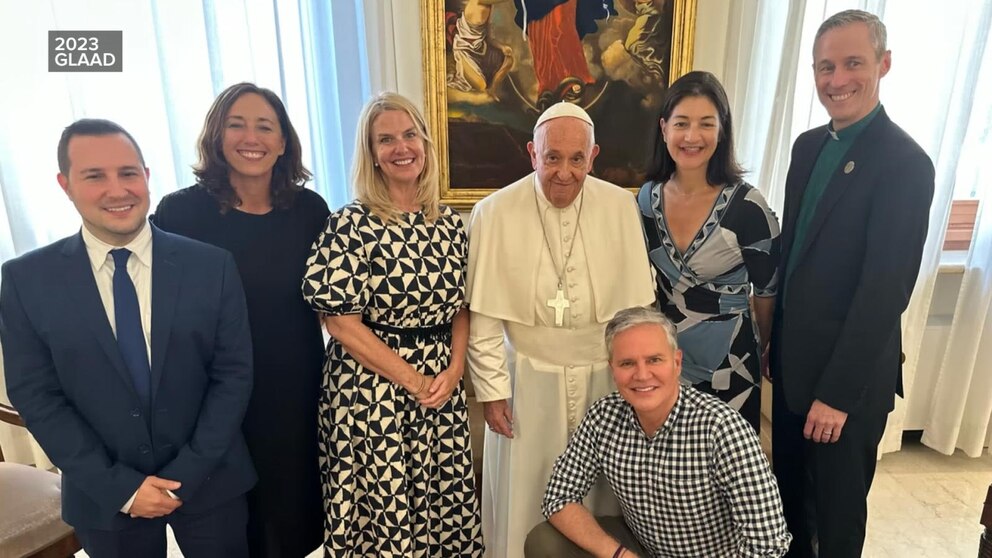

Pope Francis’ Impact on the LGBTQ Community
A New Voice in the Vatican
When Pope Francis ascended to the papacy in March 2013, few could have predicted the seismic shift his leadership would bring to the Catholic Church’s relationship with the LGBTQ community. Born Jorge Mario Bergoglio in Buenos Aires, Argentina, this first Jesuit pope and the first from the Americas brought with him a pastoral approach that emphasized mercy, compassion, and accompaniment over judgment and condemnation. While the Catholic Church’s official doctrine on homosexuality and gender identity has remained largely unchanged during his tenure, Pope Francis has revolutionized the tone, language, and pastoral practice surrounding LGBTQ Catholics in ways that have resonated far beyond the walls of the Vatican. His famous statement “Who am I to judge?” uttered just months into his papacy, became a global headline and signaled a dramatic departure from the more confrontational stance of his predecessors. This phrase, spoken in response to a question about gay priests, encapsulated what many saw as a new era of openness and dialogue. For millions of LGBTQ Catholics who had felt alienated, marginalized, or entirely rejected by their faith community, Francis offered something precious: hope that they might find a place at the table after all. His impact has been complex and sometimes contradictory, inspiring both tremendous optimism among progressive Catholics and concern among traditionalists, while leaving many LGBTQ advocates acknowledging progress while pressing for more substantial change.
Breaking the Silence with Compassion
Perhaps Pope Francis’ most significant contribution to LGBTQ inclusion has been his willingness to speak about these issues with unprecedented frequency and compassion. Previous popes either avoided the topic entirely or addressed it primarily in doctrinal terms that emphasized sin and disorder. Francis, by contrast, has consistently framed his discussions around human dignity, pastoral care, and the fundamental Christian imperative to love and accompany all people. Beyond his famous “Who am I to judge?” comment, he has made numerous statements that have shifted the conversation. He has spoken about the need for parents to never condemn or reject their LGBTQ children, emphasizing that families should provide love and support rather than rejection. He has acknowledged that gay people have been and continue to be persecuted by society and even by the Church itself, offering a form of institutional recognition of past harm that was virtually unprecedented. The Pope has met privately with transgender individuals, blessing them and listening to their stories, actions that carry profound symbolic weight even when not accompanied by doctrinal change. He has repeatedly emphasized that LGBTQ individuals deserve respect, dignity, and legal protections in civil society, including protections from discrimination and violence. While carefully distinguishing between civil unions and sacramental marriage, he has stated that gay people have a right to be part of a family and that civil union laws could provide legal protections for same-sex couples—a position that, while falling short of affirming marriage equality, represented a significant evolution in official papal thinking. These statements, delivered in interviews, airplane press conferences, and private audiences, have collectively created a different atmosphere around these conversations within the Church, making it more possible for local priests, bishops, and lay Catholics to approach LGBTQ issues with greater openness and less fear.
The Limits of Progress and Persistent Tensions
Despite the hope generated by Pope Francis’ more inclusive rhetoric, the concrete limitations of his impact on LGBTQ acceptance within the Catholic Church remain significant and sometimes frustrating for advocates of full equality. The fundamental teachings of the Catholic Church regarding sexuality and gender have not changed under Francis’ leadership. The Catechism still describes homosexual acts as “intrinsically disordered” and maintains that marriage can only exist between one man and one woman. The Church continues to teach that LGBTQ individuals are called to a life of celibacy, denying them the possibility of expressing their sexuality within a loving, committed relationship in a way that would be recognized as morally legitimate by the institution. Furthermore, several Vatican documents issued during Francis’ papacy have disappointed those hoping for more substantial reform. In 2021, the Congregation for the Doctrine of the Faith issued a responsum stating that the Church cannot bless same-sex unions because “God cannot bless sin,” a declaration that caused pain and anger among many LGBTQ Catholics and their allies. Francis approved this document, revealing the limits of his willingness or ability to challenge certain doctrinal positions. Similarly, Vatican guidance on gender theory and transgender identity has remained firmly opposed to the recognition of gender identity as distinct from biological sex, with documents criticizing “gender ideology” and rejecting the concept of gender fluidity. These positions have led to real-world consequences, including transgender Catholics being denied baptism, confirmation, or the ability to serve as godparents in some dioceses. The gap between Francis’ compassionate rhetoric and the unchanged doctrinal reality has created what some critics call a “pastoral schizophrenia,” where LGBTQ individuals are told they are welcomed and loved while simultaneously being told that their relationships are sinful and their identities disordered. This tension has left many LGBTQ Catholics and their advocates in a state of cautious appreciation mixed with ongoing frustration, grateful for the Pope’s kinder tone but yearning for the substantive changes that would allow them to be fully recognized and celebrated within their faith community.
Grassroots Movements and Local Impacts
One of the most significant aspects of Pope Francis’ impact has been the way his more open approach has empowered grassroots movements and emboldened local clergy to take more affirming stances toward LGBTQ parishioners. Catholic LGBTQ advocacy groups like New Ways Ministry, DignityUSA, and similar organizations around the world have found their work legitimized in new ways by the Pope’s emphasis on accompaniment and inclusion. Individual parishes have become more welcoming, with some openly advertising themselves as LGBTQ-affirming communities where same-sex couples and transgender individuals can worship without fear of rejection. Some priests and bishops have taken Francis’ lead and gone even further, offering blessings for same-sex couples (despite official prohibition), advocating for greater inclusion in diocesan documents, and creating specific ministries to reach out to LGBTQ Catholics who have left the Church or felt unwelcome. The German Catholic Church’s “Synodal Way” process, which has pushed for significant reforms including around sexuality and gender issues, has cited the Pope’s call for synodality and dialogue as partial inspiration for their efforts. In the United States, several bishops have published pastoral letters emphasizing respect and welcome for LGBTQ individuals, drawing on Francis’ language of accompaniment. Parents of LGBTQ children have found in Francis’ words the permission they needed to both support their children fully and remain active in their faith communities, no longer forced to choose between family and faith. Young Catholics, particularly in Western countries, have pointed to Francis’ approach as reason to remain engaged with a Church they might otherwise have abandoned as irredeemably behind the times on these issues. However, this local-level impact has been uneven and inconsistent. For every parish or diocese that has become more welcoming, others have remained hostile or become even more entrenched in traditional positions, sometimes explicitly in reaction to what they perceive as dangerous liberalization. The lack of clear, enforceable directives from Rome means that the experience of LGBTQ Catholics can vary dramatically depending on their geographic location and the particular views of their local clergy—a reality that provides freedom for progressive approaches but also allows for continued discrimination and exclusion in many contexts.
Global Perspectives and Cultural Complexities
The impact of Pope Francis’ approach to LGBTQ issues must also be understood within the global and culturally diverse reality of the Catholic Church, which counts approximately 1.3 billion members across every continent and culture. While many Western Catholics have criticized Francis for not going far enough in affirming LGBTQ rights and identities, significant portions of the global Church—particularly in Africa, parts of Asia, and some regions of Latin America—view his existing statements as dangerously progressive and contrary to scripture and tradition. In countries where homosexuality is criminalized or where LGBTQ individuals face severe social stigma and violence, even Francis’ modest gestures toward inclusion can be controversial or even dangerous to local Catholic communities. Some bishops in these regions have explicitly rejected or distanced themselves from the Pope’s more inclusive language, insisting on a stricter interpretation of traditional teaching. This tension highlights the difficult balancing act Francis faces as a global religious leader trying to maintain unity within an incredibly diverse institution while also responding to evolving understandings of human sexuality and gender in different cultural contexts. Interestingly, Francis’ own background as a Latin American may influence his approach—he comes from a region where machismo culture and conservative sexual ethics remain strong, but where he also witnessed the pastoral challenges faced by priests serving marginalized communities, including LGBTQ individuals facing discrimination and violence. His emphasis on mercy and accompaniment rather than judgment may reflect this pastoral experience of working with people on the margins. Additionally, the Pope’s frequent criticism of “gender ideology” and what he perceives as Western cultural imperialism imposing particular views on sexuality and gender onto non-Western cultures reveals his concern about respecting cultural differences, even as this position frustrates Western LGBTQ advocates who see universal human rights at stake rather than cultural preferences. This global complexity means that assessing Pope Francis’ impact requires looking beyond Western media narratives to understand how his messages are received, interpreted, and implemented (or resisted) in diverse Catholic communities worldwide, where the conversation about LGBTQ inclusion intersects with local cultures, laws, and social conditions in vastly different ways.
The Ongoing Journey and Future Possibilities
As Pope Francis enters the later years of his papacy, his legacy regarding LGBTQ issues remains a work in progress—a complicated mix of meaningful symbolic gestures, pastoral reorientation, and persistent doctrinal limitations. For many LGBTQ Catholics and their allies, Francis represents a necessary but insufficient first step toward full inclusion and equality within the Church. They appreciate that he has made it more possible to be both openly LGBTQ and Catholic, that he has reduced the level of explicit hostility they face from the institutional Church, and that he has created space for more progressive local approaches to flourish. At the same time, they recognize that without changes to official doctrine and Church law, LGBTQ Catholics remain second-class members of their faith community, unable to have their relationships blessed, their identities fully affirmed, or their calls to ministry fully recognized if they are in same-sex relationships. The question of what comes after Francis adds another layer of uncertainty—will his successor continue his pastoral approach, or will there be a retrenchment toward more conservative positions? The ongoing synodal process that Francis has initiated, which emphasizes listening to the experiences of all Catholics including those who have felt marginalized, offers some hope for continued dialogue and possible future development of Church teaching, though concrete outcomes remain to be seen. What seems clear is that Pope Francis has changed the conversation within Catholicism about LGBTQ issues in ways that cannot be easily reversed, even if formal doctrine remains unchanged. He has made it acceptable for Catholics to ask questions, to prioritize pastoral accompaniment over doctrinal rigidity, and to recognize the dignity and humanity of LGBTQ people as a starting point rather than an afterthought. For some, this represents a betrayal of timeless truth; for others, it represents a long-overdue recognition of human reality and divine love that transcends narrow categories. The ultimate measure of Pope Francis’ impact on the LGBTQ community may not be fully understood until years after his papacy ends, when we can assess whether his approach represented a temporary pastoral adjustment or the beginning of a longer journey toward a more inclusive Catholic Church that fully welcomes and celebrates all of God’s children in their authentic identities and loving relationships.