


Historic Winter Storm Brings Devastating Cold and Snow Across Eastern United States
Unprecedented Bomb Cyclone Creates Blizzard Conditions in the South
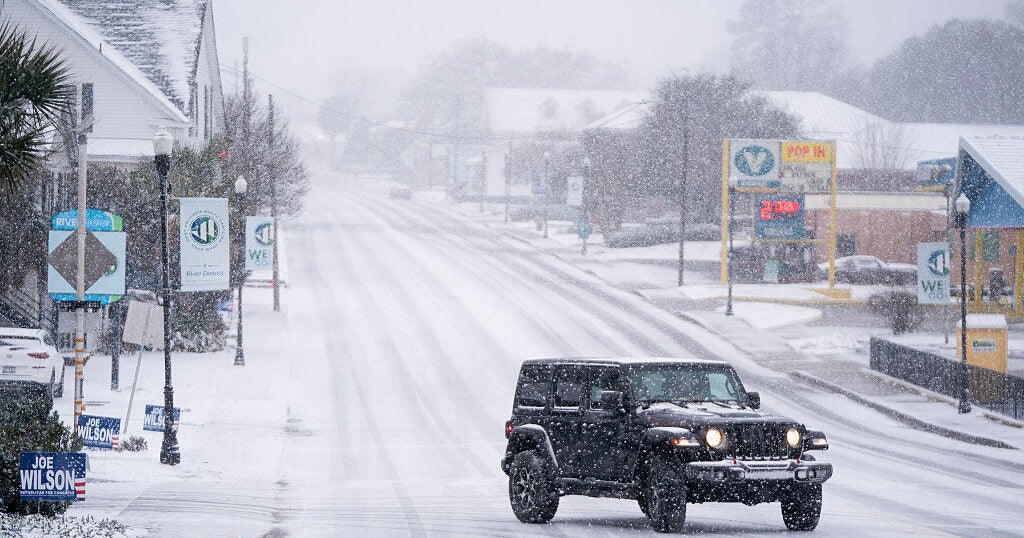
A massive winter storm system, classified as a “bomb cyclone” by meteorologists, has unleashed blizzard-like conditions across the Southeast, bringing heavy snowfall to regions that rarely see such weather while simultaneously plunging the East Coast into a dangerous deep freeze. This extreme weather event comes on the heels of another devastating ice storm from the previous week that left dozens dead and tens of thousands still without power. The situation has become increasingly dire as subfreezing temperatures are expected to persist well into February, with some of the hardest-hit areas in the Carolinas, Virginia, and northeast Georgia bracing for up to a foot of snow by Sunday. The National Weather Service has issued winter storm warnings for every single county in the Carolinas through Sunday morning, an extremely rare occurrence that underscores the severity of this weather event. The combination of heavy snow, dangerous wind chills, and prolonged power outages has created a life-threatening situation for millions of Americans, particularly those in southern states where residents are less prepared for such extreme winter conditions.
The storm’s reach has been extraordinary, extending from the Deep South all the way to Florida, where light snow fell in Tallahassee—a sight virtually unheard of in the state capital. Temperatures have plummeted to record-breaking lows, with West Virginia recording a bone-chilling minus 27 degrees Fahrenheit on Saturday. The frigid conditions are expected to shatter records across Southern Florida, where some areas are experiencing their coldest temperatures in decades. Bob Oravec, the lead meteorologist for the National Weather Service in College Park, Maryland, described the bomb cyclone as an intense, rapidly strengthening storm system off the Southeast coast packing strong winds. The southern Appalachians, the Carolinas, and Georgia are forecast to receive between 6 to 10 inches of snow, while parts of North Carolina could see up to a foot. Snow is also possible from Maryland all the way to Maine, making this one of the most widespread winter weather events in recent memory.
Transportation Chaos and Power Outages Create Cascading Crisis
The impact of this extreme weather on daily life has been catastrophic, with transportation systems grinding to a halt and essential services severely disrupted. More than 2,400 U.S. flights were canceled on Saturday alone, according to FlightAware, leaving thousands of travelers stranded in airports across the country. The situation on the ground has been equally chaotic, with North Carolina alone reporting more than 200 collisions on Saturday. The most dramatic incident occurred on Interstate 85 North in Kannapolis, North Carolina, where more than 100 vehicles, including over two dozen tractor trailers, became stuck following a crash. The highway was completely closed Saturday night as the North Carolina National Guard, Department of Transportation, and State Highway Patrol worked to rescue stranded motorists in dangerous conditions. In Norfolk, Virginia, even cruise ship passengers weren’t spared from the storm’s disruption, as a Carnival cruise was forced to end its trip early, with disappointed passengers missing their planned stop in Turks and Caicos due to the dangerous conditions.
The power situation remains critical, with more than 174,000 homes and businesses still without electricity on Saturday night, according to utility tracker PowerOutage.us. The majority of these outages are concentrated in Mississippi and Tennessee, where many residents have now been living without power for days following last week’s ice storm. The prolonged power outages in subfreezing temperatures have created dangerous, potentially life-threatening conditions for vulnerable residents. In Nashville, Tennessee, where temperatures dropped into the teens and more than 41,000 customers remained without power, frustration has reached a boiling point. Terry Miles, a 59-year-old resident, has been without power since the previous Sunday and has resorted to using a fish fryer for heat, despite his concerns about carbon monoxide poisoning. “I’m taking a chance of killing myself and killing my wife, because — Why?” Miles said after attending a Nashville Electric Service news conference, his anger directed at utility officials who he feels have not responded adequately to the crisis.
Government Response and Growing Public Frustration
The inadequate response to the power crisis has drawn sharp criticism from elected officials and the public alike. Tennessee Governor Bill Lee publicly voiced his “strong concerns” with the leadership of Nashville Electric Service, demanding that residents receive “a clear timeline for power restoration, transparency on the number of linemen deployed, and a better understanding of when work will be completed in their neighborhood.” The utility has defended its response by calling last weekend’s storm unprecedented, but this explanation has done little to comfort freezing residents who have been without power for nearly a week. The controversy highlights a growing concern about the readiness of infrastructure in southern states to handle extreme winter weather events, which climate scientists suggest may become more common in the future.
In response to the crisis, the National Guard has been activated in 15 states, with troops standing by to help communities recover from the devastating storms. In Washington, D.C., National Guard troops have joined the effort to remove dangerous snow and ice from schools throughout the city, ensuring that educational facilities will be safe when conditions improve. New York City has deployed innovative solutions to combat the massive accumulation of snow and ice, with crews working to melt more than 20 million pounds of snow using what city officials are calling “hot tubs.” The Northeast is now in its second week of a deep freeze, with frigid temperatures suspected of causing communication cables to fall from elevated subway tracks onto parked cars in New York City on Friday. The incident illustrates how the extreme cold is causing infrastructure failures in unexpected ways, creating hazards that go beyond the immediate dangers of snow and ice.
Unique Challenges for Southern Communities
The storm has presented particularly unique challenges for southern communities that lack the infrastructure and equipment typically found in northern states that regularly deal with heavy snow. In Myrtle Beach, South Carolina—a coastal city whose official seal features the sun, palm trees, and a seagull—residents were bracing for 6 inches of snow, a nearly unimaginable scenario for this beach resort town. Mayor Mark Kruea admitted that the city has no snow removal equipment and that authorities planned to “use what we can find” to clear streets. This improvised approach underscores the vulnerability of southern communities to winter weather events and raises questions about how these areas can better prepare for similar situations in the future. The situation in Wake Forest, North Carolina, illustrated the desperation many residents felt as they scrambled to secure heating supplies. José Rosa visited Holding Oil and Gas on Friday after striking out at three other locations while trying to fill a 20-pound propane tank. “I’m here in this cold weather, and I don’t like it,” Rosa said, expressing the sentiment of millions of southerners unaccustomed to such brutal conditions.
In Dare County, home to much of North Carolina’s Outer Banks, residents faced the additional worry that more unoccupied houses in communities like Rodanthe and Buxton could collapse into the Atlantic Ocean due to the storm conditions. The combination of high winds, erosion, and the weight of accumulated snow and ice has made coastal structures particularly vulnerable during this event. Meanwhile, hundreds of National Guard soldiers in North Carolina readied to provide assistance while state workers worked around the clock to prepare roads for the anticipated heavy snowfall. The mobilization represents one of the largest emergency responses to winter weather in the state’s history.
Mounting Death Toll and Health Dangers
The human cost of this prolonged winter weather crisis has been staggering, with at least 87 deaths reported from Texas to New Jersey, according to data collected by CBS News. The causes of death have been varied and tragic, including hypothermia or exposure, carbon monoxide poisoning from improper heating methods, and accidents such as sledding crashes. Officials have not released specific details about some deaths, suggesting the actual toll may be even higher as investigations continue. Medical experts have warned of the growing risks of hypothermia and frostbite, particularly in the South where many people may lack sufficiently warm clothing for such extreme conditions. Dr. David Nestler, an emergency medicine specialist at the Mayo Clinic in Minnesota, emphasized that frostbite is a serious concern for southern residents who may not own the type of cold-weather gear that northerners take for granted.
Bob Oravec of the National Weather Service issued stark warnings about the dangers of prolonged exposure to the extreme cold: “Anytime you have cold weather advisories or extreme cold warnings, it is dangerous to be outside. Frostbite can occur. Especially in areas that have or are experiencing power issues still, prolonged exposure to cold weather is not good for yourself.” Wind chills were forecast to plunge well below zero across much of the region, with values near -20 degrees Fahrenheit in parts of the Ohio Valley on Sunday morning. These dangerously low temperatures create conditions where exposed skin can develop frostbite in a matter of minutes, and hypothermia can set in quickly, particularly for the elderly, children, and those without adequate shelter or heating. The combination of power outages and extreme cold has created a perfect storm of dangerous conditions, forcing many residents to make difficult choices between staying in freezing homes or seeking warmth through potentially dangerous alternative heating methods that risk carbon monoxide poisoning or fire.
Long-Term Forecast and Recovery Challenges Ahead
As communities across the East Coast and Southeast struggle to cope with current conditions, the forecast offers little relief in the near term. Subfreezing weather is expected to persist into February, with parts of Southern Florida likely to experience their coldest air in decades, with Sunday and Monday expected to set new record lows. The extended duration of this cold snap will test the resilience of infrastructure, emergency services, and individual households in ways that brief cold snaps do not. Power companies face the enormous challenge of restoring service to hundreds of thousands of customers while working in dangerous conditions with frozen equipment and treacherous roads. The recovery process will likely take weeks rather than days, particularly in areas where ice damage from the previous storm damaged poles and lines that must now be repaired in the midst of a blizzard.
The storm has also raised important questions about climate resilience and infrastructure preparedness, particularly in southern states that may face more frequent extreme weather events in the coming years. The designation of this storm as a “bomb cyclone”—a term that describes rapid intensification of a storm system—reflects the increasing intensity of weather events that scientists have predicted as a consequence of climate change. As communities begin the long process of recovery, officials and residents alike will need to consider how to better prepare for similar events in the future, whether through improved emergency response systems, upgraded infrastructure, or better public education about winter weather preparedness. The economic cost of this disaster, from lost productivity and damaged infrastructure to emergency response expenses, will likely reach into the billions of dollars. For now, however, the immediate focus remains on keeping people safe, restoring power to those who have been without it for days, and preventing additional loss of life as this historic winter weather event continues to grip much of the eastern United States.