



Understanding TrumpRx: A New Platform Aimed at Lowering Prescription Drug Costs
What TrumpRx Is and How It Works
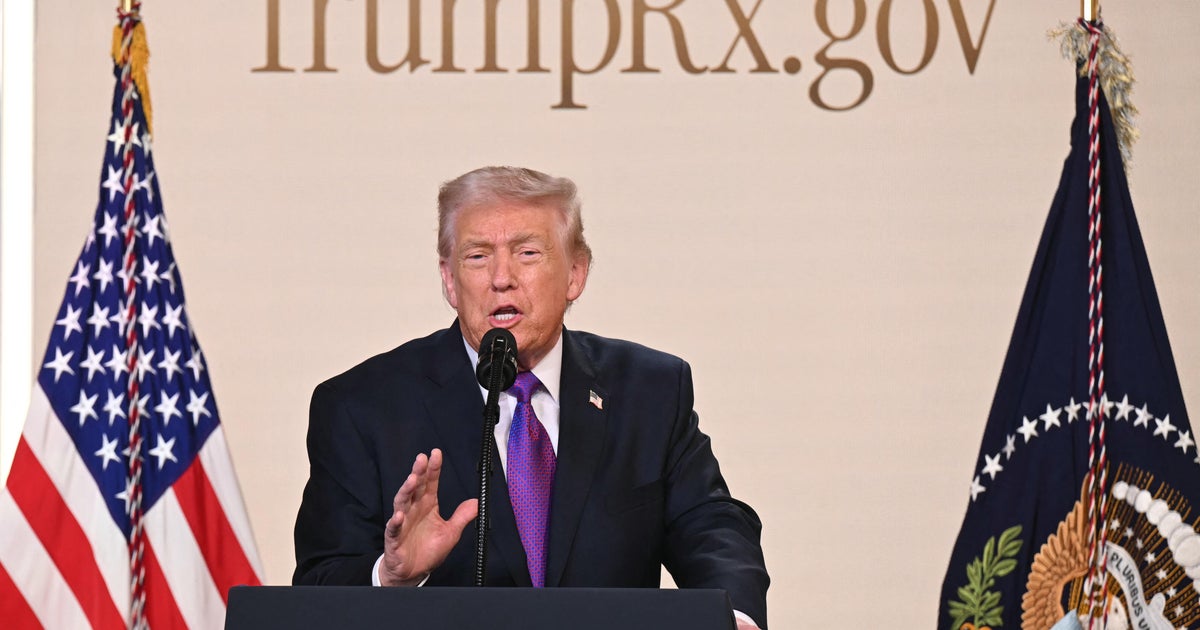
President Trump has introduced TrumpRx, a new online platform designed to address one of Americans’ most pressing financial concerns: the high cost of healthcare and prescription medications. According to recent polling data, approximately two-thirds of Americans cite expensive healthcare costs as their primary financial worry, making this initiative particularly timely and relevant. Launched on a Thursday with significant fanfare from the White House, TrumpRx represents an effort to provide what the administration calls “immediate relief” to patients struggling with medication costs across the United States.
The platform, accessible at Trumprx.gov, functions as a gateway for consumers seeking lower prices on commonly prescribed medications. It’s important to understand that TrumpRx isn’t actually a pharmacy or online drugstore where you can directly purchase medications. Instead, it operates as a comparison portal that displays discounted pricing offers and then directs users to pharmaceutical manufacturers’ websites where they can actually fill their prescriptions. Think of it as a directory or search engine specifically for medication discounts rather than a traditional retail operation. As Kaye Pestaina, who serves as vice president and director of KFF’s patient and consumer protections program, explained to CBS News, “It’s a portal where someone can check if they can find a cheaper price, direct-to-consumer, from a drug manufacturer. It’s not a storefront.” Users who find a medication they need at a price that works for them simply follow the instructions provided for each specific drug offer on the platform to complete their purchase through the manufacturer.
Who Can Benefit from Using TrumpRx
The accessibility of TrumpRx is fairly straightforward – anyone with a valid prescription can use the platform to search for potentially lower drug prices. However, there are some important limitations that potential users need to understand before getting too excited about the savings possibilities. Currently, the platform operates exclusively for cash-paying customers, meaning it doesn’t integrate with insurance plans at all. When you purchase medications through TrumpRx, you’re paying out of pocket, and those expenses won’t count toward your insurance deductible or out-of-pocket maximum. The platform itself clearly states: “At this time, TrumpRx discounted pricing is only available for cash-paying patients.”
Despite this limitation, there are several groups of Americans who could find significant value in TrumpRx. Uninsured individuals, who already pay cash for all their medications, could potentially realize substantial savings. People with high-deductible health insurance plans, who effectively pay cash for prescriptions until they meet their deductible, might also benefit. Additionally, patients whose specific medications aren’t covered by their insurance formularies could use TrumpRx to access drugs they otherwise couldn’t afford. Dr. Mehmet Oz, who now serves as administrator of the Centers for Medicare and Medicaid Services, enthusiastically encouraged Americans to utilize the platform, stating on Thursday: “You should not be buying drugs anymore, going forward, without at least checking to see if those medications are available at these discounted prices.”
However, healthcare policy experts offer a more nuanced perspective. Pestaina noted that for many Americans, purchasing medications through their existing insurance coverage will still result in lower prices than what TrumpRx offers. “It might be a good thing for some people, but for most folks they are paying less through insurance,” she cautioned. That said, there are notable exceptions where TrumpRx could genuinely provide better pricing. GLP-1 medications used for weight loss represent one such category, as Pestaina pointed out: “Your employer might not cover these kinds of drugs, or there could be limitations.” Indeed, the White House highlighted that popular weight-loss medication Wegovy is available through TrumpRx in pill form for as little as $149 monthly, compared to its standard retail price of $1,349 – a dramatic reduction that could make the medication accessible to many who previously couldn’t afford it. President Trump has also called on Congress to pass “The Great Healthcare Plan,” introduced in January, which would enable health insurance plans to cover TrumpRx purchases and potentially expand the platform’s utility.
The Range of Medications Currently Available
At launch, TrumpRx offers access to 43 different medications covering a diverse range of medical conditions and treatment needs. The platform achieved these discount arrangements through deals struck late last year between the White House and more than a dozen major pharmaceutical manufacturers, including industry giants like AstraZeneca, Eli Lilly, Genentech, Merck, and Pfizer. The administration has indicated these are just the initial partnerships, with plans to negotiate agreements with additional drugmakers to expand the catalog of discounted medications available to consumers.
The variety of conditions addressed by TrumpRx medications is genuinely impressive, spanning fertility treatments, diabetes management, cardiovascular health, respiratory conditions, autoimmune disorders, women’s health concerns, mental health, and more. Fertility medications represent one particularly noteworthy category where TrumpRx could make a meaningful difference in people’s lives. Merith Basey, CEO of Patients for Affordable Drugs Now, a patient advocacy organization, told CBS News: “Fertility drug pricing could benefit a lot of people, because they aren’t typically covered by insurance, and TrumpRx offers discounts.” For example, Gonal F, a medication containing follicle-stimulating hormone used in fertility treatments, is available through TrumpRx at an 83% discount compared to standard pricing. Similarly, other fertility medications like Cetrotide ($22.50) and Ovidrel ($84) are offered at prices that could make starting a family financially feasible for couples who previously found fertility treatments prohibitively expensive.
Weight-loss medications have garnered significant attention in recent years due to their effectiveness and extraordinarily high costs. TrumpRx addresses this by offering several options in this category: Wegovy pen at $199, Wegovy pill at $149, Ozempic pen at $199, and Zepbound at $299. For patients without insurance coverage for these medications, these prices represent substantial savings compared to retail costs that can exceed $1,000 monthly. Diabetes medications are well-represented with options like Farxiga ($181.59), Xigduo XR ($181.59), and notably, Insulin Lispro at just $25 – a critical offering given the life-or-death importance of insulin for diabetic patients and the ongoing national conversation about insulin affordability.
Examining Specific Medication Categories and Pricing
The complete list of 43 medications reveals the breadth of conditions TrumpRx addresses. For autoimmune and rheumatology conditions, patients can access Abrilada pen at $207.60, Azulfidine tablets at $99.60, Azulfidine EN tablets at $130.80, and Xeljanz at $1,518. Respiratory health is supported with medications like Airsupra ($201) and Bevespi ($51). Cardiovascular medications include Tikosyn at $336, while cholesterol management options include Lopid ($39.60) and Colestid ($127.91).
Women’s health receives considerable attention with multiple medication options: Duavee at $30.30, Estring at $249, Premarin at $99, Premarin Vaginal Cream at $236.65, and Prempro at $98.84. Thyroid conditions can be treated with Cytomel at just $6 or Levoxyl at $35.10 – remarkably affordable prices for medications many people take daily for their entire lives. Anti-infection medications span antibiotics like Cleocin ($94.35) and Zyvox ($122.74), antifungals such as Diflucan ($14.06) and Vfend ($306.98), and the antiviral Viracept ($607.20).
Mental health and addiction support are addressed through medications like the antidepressant Pristiq ($200.10) and smoking cessation aids including Chantix ($106.20) and Nicotrol ($271.16). Anti-inflammatory medications range from the remarkably inexpensive Medrol at $3.15 to Cortef at $45. Other specialized medications include migraine treatment Zavzpret ($594.84), dermatologic treatment Eucrisa ($158.48), bladder control medication Toviaz ($43.50), heartburn medication Protonix ($200.10), anticonvulsant Zarontin ($71.10), and human growth hormones Genotropin ($89.67) and Ngenla ($2,217).
The Broader Context and Potential Impact
TrumpRx arrives at a moment when prescription drug pricing has become a central political issue affecting millions of American families. The platform represents an attempt to use market transparency and direct-to-consumer sales to bypass traditional pharmacy benefit managers and insurance company negotiations that many argue inflate drug prices unnecessarily. By creating a centralized portal where consumers can compare prices and access manufacturer coupons and discount programs that previously required extensive research to discover, TrumpRx potentially democratizes access to lower-cost medications.
The effectiveness of this approach will ultimately depend on several factors. First, awareness – Americans need to know TrumpRx exists and remember to check it when filling prescriptions. Second, the platform’s medication offerings need to expand significantly beyond the initial 43 drugs to cover a meaningful portion of commonly prescribed medications. Third, the pricing truly needs to be competitive not just with retail prices but with what insured patients pay through their coverage. For patients whose medications aren’t well-covered by insurance, or who fall into coverage gaps, TrumpRx could genuinely be transformative, potentially making the difference between being able to afford necessary treatments or going without.
Looking Forward: Questions and Considerations
As TrumpRx evolves, several important questions remain. Will the administration successfully negotiate partnerships with additional pharmaceutical manufacturers to expand the available medication list? Can the platform eventually integrate with insurance plans, as proposed in “The Great Healthcare Plan,” to make the discounts accessible to more Americans while allowing expenses to count toward deductibles? How will the platform ensure the advertised discounts remain competitive as market conditions change? Will there be quality controls and verification processes to ensure patients receive genuine medications when redirected to manufacturer websites?
Healthcare policy experts and patient advocates will be watching closely to see whether TrumpRx delivers on its promise of “immediate relief” or whether it functions more as a supplementary option that helps some patients in specific situations but doesn’t fundamentally address the underlying structural issues driving high drug prices in America. Regardless of these larger policy questions, for uninsured Americans, those with high deductibles, and patients whose specific medications aren’t covered by insurance, TrumpRx represents a resource worth exploring. The potential savings on medications like insulin, fertility treatments, and weight-loss drugs could genuinely improve access to healthcare for people who have been priced out of necessary treatments. As with any new healthcare initiative, patients should approach TrumpRx as one tool among several for managing medication costs, comparing its offerings against insurance copays, generic alternatives, and other discount programs to find the best price for their specific situation.