

Federal Charges Filed Against Nine Protesters Following Minnesota Church Demonstration
Escalating Arrests in Immigration Policy Protest Case
The United States Department of Justice has intensified its response to a controversial January protest at a Minnesota church, with U.S. Attorney General Pam Bondi announcing two additional arrests on Monday that brought the total number of people facing federal charges to nine. The arrests stem from a demonstration that took place on January 18 at Cities Church in St. Paul, where protesters interrupted a Sunday worship service to voice their opposition to federal immigration enforcement policies. Among those arrested were several high-profile individuals, including former CNN journalist Don Lemon and well-known local civil rights activist Nekima Levy Armstrong. The nine individuals named in a grand jury indictment that was unsealed last Friday are facing serious federal civil rights charges, specifically conspiracy and interfering with the First Amendment rights of worshippers who had gathered for their religious services.
The situation has drawn significant national attention not only because of the involvement of recognized public figures but also because it represents a collision between immigration enforcement policies, freedom of speech, protest rights, and religious freedom. The Trump administration has voiced strong objections to the protest, viewing it as an unacceptable infringement on the rights of churchgoers to worship peacefully. Attorney General Bondi announced through social media on Monday that the two most recent arrestees were identified as Ian Davis Austin and Jerome Deangelo Richardson, though she provided no specific details about the circumstances of their apprehensions. The staggered nature of the arrests—with four people taken into custody on Friday, three earlier in the week, and two more announced Monday—suggests an ongoing and methodical investigation by federal authorities into everyone who allegedly participated in the church disruption.
The Circumstances and Motivations Behind the Protest
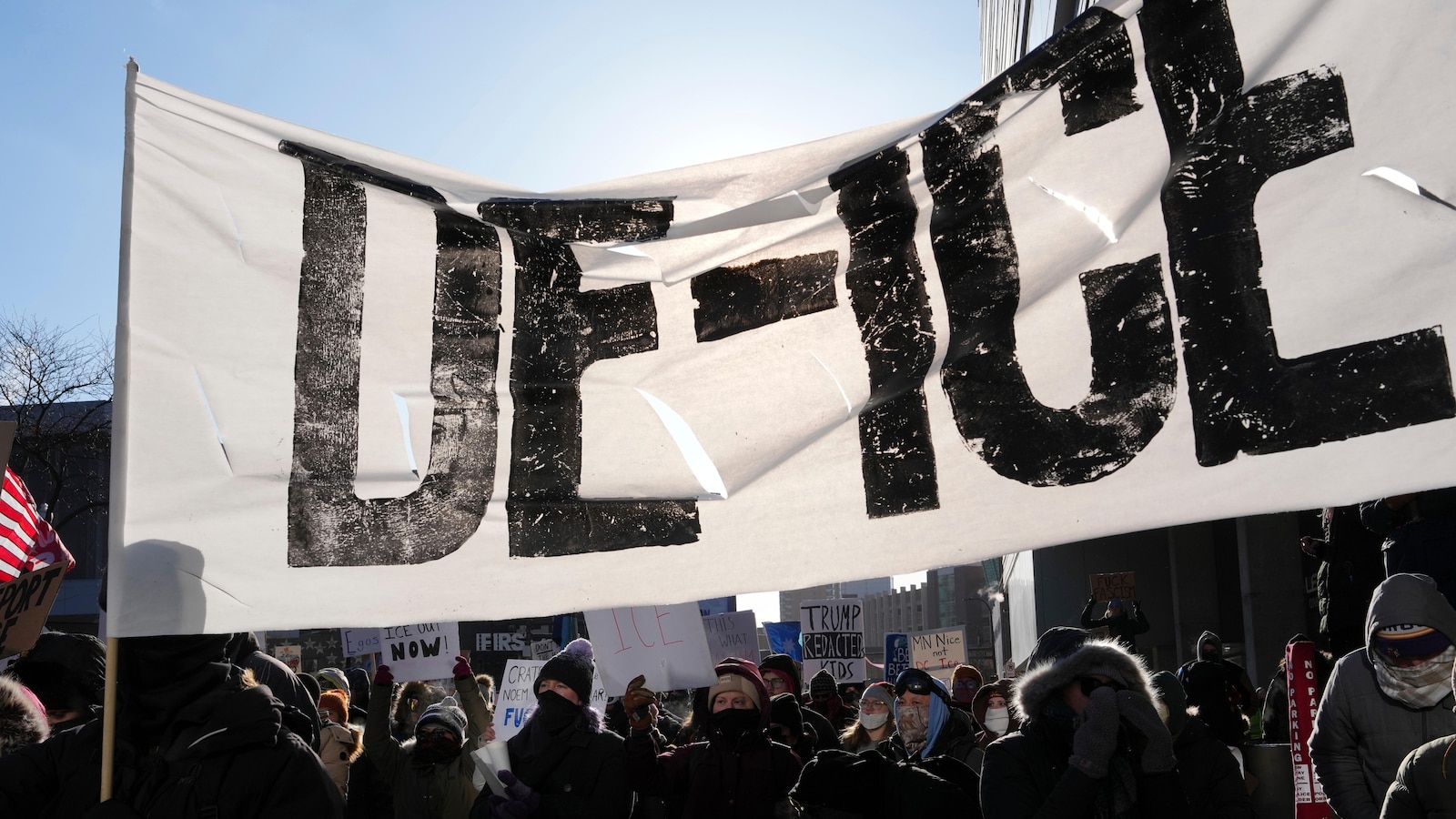
The protest that has led to these federal charges was not a random act of civil disobedience but rather a targeted demonstration with specific grievances related to immigration enforcement. The group of protesters chose Cities Church in St. Paul as their location for a very particular reason: one of the church’s pastors is David Easterwood, who simultaneously serves as the leader of the Immigration and Customs Enforcement (ICE) St. Paul field office. This dual role—as both a religious leader and a senior immigration enforcement official—made the church a symbolic target for activists opposed to current immigration policies and practices. The demonstrators entered the church during Sunday services and disrupted the worship by chanting slogans including “ICE out” and “Justice for Renee Good.” The latter chant referred to a specific and tragic incident that had galvanized the local community: the fatal shooting of Renee Good, a 37-year-old mother of three, by an ICE officer in Minneapolis.
The death of Renee Good has become a rallying point for immigration reform advocates and those critical of ICE tactics and operations. For the protesters who entered Cities Church that January Sunday, the presence of a high-ranking ICE official serving as a pastor at a Southern Baptist Convention church represented what they viewed as an unacceptable contradiction or at minimum a legitimate subject for public accountability. According to the federal indictment, the actions of the protesters went beyond peaceful demonstration outside the church and crossed into disruption of the worship service itself. The indictment specifically alleges that individuals stood in the church aisles and loudly confronted religious leaders, with Austin accused of berating a pastor with questions about Christian nationalism. This combination of immigration policy protest and questions about the relationship between certain Christian movements and government immigration enforcement added layers of complexity to an already contentious situation.
The Role of Don Lemon and Questions About Press Freedom
Among the nine people facing federal charges, the inclusion of Don Lemon has generated particular interest and raised important questions about the boundaries between journalism and protest participation. Lemon, who was terminated from CNN in 2023 following a controversial tenure as a morning show host, has reinvented himself as an independent journalist and content creator. He has consistently maintained that he had no affiliation with the group that disrupted the Sunday service at Cities Church and has characterized his presence there as strictly journalistic—he was there to chronicle and document the protesters’ actions, not to participate in them. This distinction is critically important in a legal sense, as journalistic activity covering a protest is fundamentally different from participating in actions that federal prosecutors allege violated the civil rights of worshippers.
However, the federal indictment paints a more complicated picture of Lemon’s involvement. According to the charging document, Jerome Deangelo Richardson traveled to the church alongside Lemon while Lemon was actively streaming video. The indictment further alleges that Richardson told Lemon during this time that they needed to catch up with the other protesters. These details suggest, at least from the prosecution’s perspective, that Lemon may have been more integrated with the protest group than his public statements indicate. The case raises profound questions about where the line should be drawn between documenting newsworthy events and participating in them, especially in an era when traditional journalism boundaries have become increasingly blurred by citizen journalists, independent content creators, and social media livestreaming. If Lemon was indeed merely covering the protest as a journalist, his arrest could have troubling implications for press freedom; if, however, he was coordinating with protesters while simultaneously documenting their actions, the legal and ethical situation becomes considerably murkier.
Legal Proceedings and the Federal Government’s Approach
The federal charges being pursued against all nine defendants are quite serious and reflect the government’s determination to prosecute what it views as a violation of fundamental constitutional rights. The grand jury indictment charges the individuals with conspiracy and with interfering with the First Amendment rights of the church worshippers. This legal approach frames the case not as a simple trespass or disorderly conduct matter that might typically be handled at the state or local level, but rather as a federal civil rights violation. By elevating the charges to this level, the Department of Justice is sending a clear message about how the current administration views protests that disrupt religious services, regardless of the political motivations behind such protests.
The investigation that led to these indictments was initiated by the Justice Department shortly after the January 18 incident occurred. The methodical pace of the arrests—spread over several days rather than all at once—suggests that investigators were building their case carefully, perhaps gathering additional evidence, conducting interviews, and tracking down individuals who may not have been immediately identifiable. Online jail records confirm that Ian Davis Austin was arrested on Friday, the same day the indictment was unsealed, though it remains unclear exactly when Jerome Deangelo Richardson was taken into custody. As of the latest reports, Austin’s attorney, Sarah Gad, had not responded to requests for comment, and court records did not yet list an attorney for Richardson. The legal representation situation for all nine defendants will be crucial as the case moves forward, particularly given the federal nature of the charges and the potential penalties that could result from conviction on civil rights conspiracy charges.
Broader Implications for Protest Rights and Immigration Debate
This case exists at the intersection of several of the most contentious issues in contemporary American society: immigration enforcement, the rights and limits of political protest, religious freedom, and the appropriate use of federal prosecutorial power. For immigration reform advocates and civil liberties organizations, the federal prosecution of these protesters may appear to be an excessive and chilling response to political speech and activism, particularly given that the protest was motivated by concerns about immigration enforcement tactics and the death of Renee Good. They might argue that while the disruption of a worship service was perhaps inappropriate or even illegal at a local level, it did not warrant federal civil rights charges that typically are reserved for the most serious violations.
On the other hand, religious freedom advocates and those who support the current administration’s immigration enforcement priorities view the situation quite differently. From this perspective, the protesters violated the fundamental rights of congregants to worship freely without disruption or intimidation. The fact that the protesters specifically targeted a church because one of its pastors works for ICE could be seen as an attempt to intimidate both the official and the congregation, using the disruption of religious practice as a weapon for political purposes. The Trump administration’s strong objections to the protest reflect this viewpoint and demonstrate the government’s willingness to use federal prosecutorial resources to protect what it sees as the sanctity of religious observance. The outcome of this case could have significant implications for how similar protests are treated in the future and may influence the calculus that activists make when planning demonstrations that involve the disruption of religious services or other constitutionally protected activities.
Looking Ahead: The Case’s Potential Impact on Activism and Civil Discourse
As this case proceeds through the federal court system, it will be closely watched by activists on all sides of the immigration debate, civil liberties organizations, religious freedom advocates, and those concerned about the boundaries of acceptable protest in American democracy. The prosecution of nine individuals on federal charges for a protest that lasted a relatively short time and resulted in no physical violence or property damage represents a significant escalation in how such incidents are treated by law enforcement and the justice system. The inclusion of someone with Don Lemon’s public profile adds an additional dimension of media attention and raises the stakes for questions about how independent journalists operating in protest environments should be treated under the law.
The defendants will have the opportunity to present their side of the story in court, potentially arguing that their actions were protected political speech, that they did not conspire to violate anyone’s civil rights, or that the federal charges are disproportionate to their actual conduct. The prosecution, meanwhile, will need to prove beyond a reasonable doubt that the defendants not only disrupted the church service but did so as part of a conspiracy and with the specific intent to interfere with the First Amendment rights of the worshippers. Regardless of the eventual outcome, this case has already succeeded in highlighting the deep divisions in American society over immigration policy, the tactics that are acceptable in political protest, and the role that religious institutions and their leaders should play in controversial government operations. The reverberations from this Minnesota church protest and the federal response to it are likely to be felt in activist communities, newsrooms, churches, and courtrooms for years to come, potentially reshaping how Americans think about the boundaries between legitimate protest and unlawful disruption.