



How Rising Gas Prices and Global Conflict Are Reshaping the Electric Vehicle Conversation
Finding Refuge from the Pump: One Driver’s EV Journey
When Kevin Ketels made the decision to purchase a 2026 Chevrolet Blazer EV last year, his motivation wasn’t primarily financial. The 55-year-old assistant professor of global supply chain management at Wayne State University in Detroit was drawn to electric vehicles simply because he believed they represented superior technology and wanted to embrace what he saw as the inevitable future of transportation. However, as international tensions escalated with the Iran conflict causing significant disruptions to global oil markets, Ketels found himself unexpectedly grateful for his decision to leave behind his 11-year-old gas-powered SUV. While Americans across the country watched gas prices climb sharply—jumping from $2.94 per gallon to $3.57 in just one month according to AAA—Ketels could plug in his vehicle at home without worry. His perspective reflects a growing awareness among consumers that while electricity costs can fluctuate, they tend to be far more stable and predictable than gasoline prices, which can spike dramatically in response to geopolitical crises. This real-world experience highlights an often-overlooked advantage of electric vehicle ownership: immunity from the kind of price shocks that can turn filling up a gas tank into a budget-breaking experience virtually overnight.
The Global Crisis Behind the Price Surge
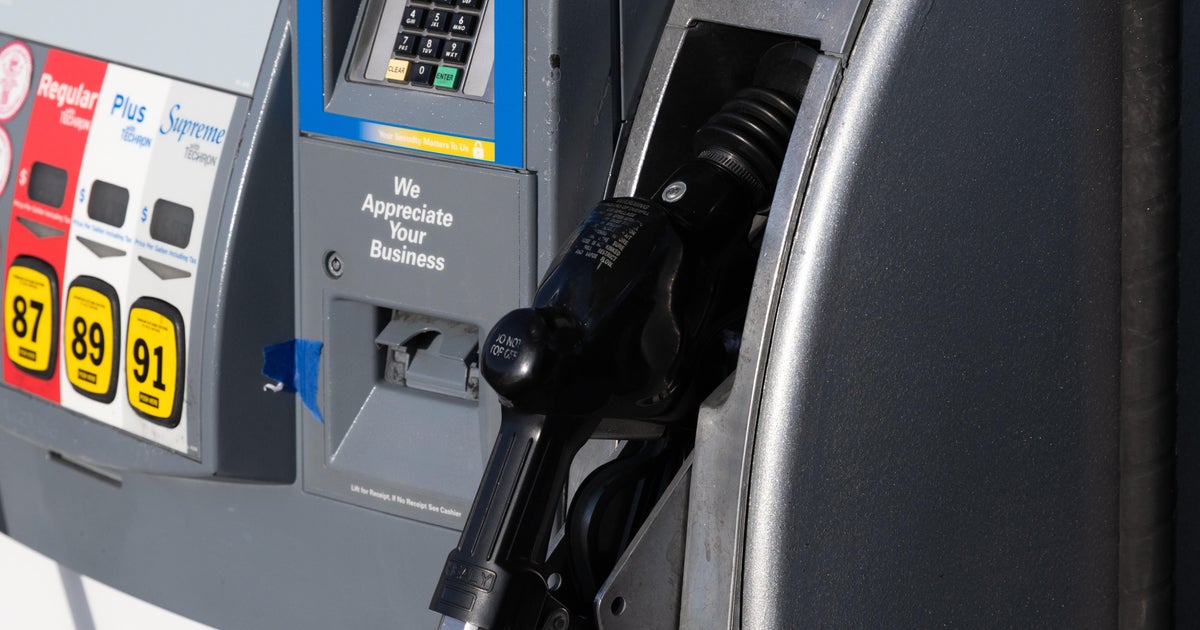
The dramatic increase in fuel prices that Americans are experiencing isn’t happening in isolation—it’s the direct result of international conflict disrupting one of the world’s most critical oil transportation routes. The Iran war has severely impacted the flow of oil through the Strait of Hormuz, a narrow waterway that serves as an essential artery for global oil trade. When this crucial passage becomes threatened or restricted, the effects ripple through gas stations across America and around the world. Patrick De Haan, a petroleum analyst at GasBuddy, offers a sobering assessment: these elevated prices aren’t a temporary blip but rather the new normal for the foreseeable future, as long as security risks persist in the region. Making matters more complicated, seasonal factors are also coming into play that will keep pressure on prices. As warmer weather approaches, Americans traditionally drive more, increasing demand for fuel precisely when supplies are constrained. Additionally, gas stations must switch to summer-blend gasoline during warmer months—a more expensive formulation that includes special additives to reduce evaporation and takes longer to produce. This perfect storm of geopolitical instability and seasonal demand creates a challenging environment for anyone dependent on gasoline-powered transportation.
Why EV Owners Sleep Better at Night
The fundamental difference between powering a vehicle with gasoline versus electricity comes down to market volatility and regulatory structure. According to Erich Muehlegger, an economics professor at the University of California, Davis, residential electricity prices benefit from regulatory oversight that makes them far more stable than gasoline prices. While gas prices can swing wildly in response to international events, electricity rates are typically set annually by regulators, creating a buffer that protects consumers from month-to-month shocks. This means that EV owners are largely insulated from the kind of oil price spikes that make headlines and strain household budgets. The source of this stability lies in the diversity of the electrical grid itself. Unlike gasoline, which depends almost entirely on petroleum, electricity comes from a varied mix of sources including natural gas, coal, nuclear power, and increasingly, renewable sources like wind and solar. Pierpaolo Cazzola, an energy expert at Columbia University’s Center on Global Energy Policy, explains that this diversity means the energy component of electricity costs varies depending on the local power mix, but the overall variation in prices is much smaller in the United States than in many other parts of the world. Even when natural gas prices do rise—which can affect electricity generation costs—they haven’t increased as rapidly or dramatically as oil prices during recent crises. For EV owners like Michael B. Klein, a 56-year-old software developer from Evanston, Illinois, who has been driving electric vehicles for eight years, this stability is just one part of the appeal. Klein, who currently drives a Chevy Bolt, appreciates that as the electrical grid becomes more efficient—particularly through the addition of renewable energy sources—he automatically benefits from those improvements without needing to purchase a new vehicle, unlike gas car owners who must buy new models to take advantage of improved engine efficiency.
Do High Gas Prices Actually Boost EV Sales?
The relationship between gasoline prices and electric vehicle adoption is more complex than simple cause and effect, though experts agree that persistent high fuel costs do drive consumer interest in alternatives. When car-shopping resource Edmunds analyzed consumer behavior during the week starting March 2nd, after the Iran conflict had begun affecting oil markets, they discovered that interest in hybrids, plug-in hybrids, and battery electric vehicles accounted for 22.4% of all vehicle research activity on their website—a notable increase from 20.7% the previous week. This pattern isn’t new; when analysts looked back at the major nationwide fuel price surges of 2022, they found similar spikes in consumer consideration of electrified vehicles. However, whether this increased interest actually translates into purchases depends on several factors, particularly whether buyers believe they’ll save money not just immediately but over the long term. Peter Zalzal, an attorney with the Environmental Defense Fund, emphasizes that EV buyers enjoy “really substantial” gasoline savings over the life of their vehicles—we’re talking about thousands upon thousands of dollars in savings, even without factoring in government tax credits. As gas prices increase, those savings become even more significant since fuel costs represent a major portion of total vehicle ownership expenses. Yet a significant barrier remains: the upfront cost of a new EV still exceeds that of a gasoline-powered vehicle, with new EVs averaging $55,300 last month compared to $49,353 for new vehicles overall, according to Kelley Blue Book. Euan Graham, an analyst at energy think tank Ember, also points out an interesting market dynamic: a sudden surge in EV demand could actually drive prices up further, at least temporarily, potentially limiting accessibility for budget-conscious buyers looking to escape high gas prices.
The Energy Security Argument and Policy Implications
Beyond personal savings, the current crisis has renewed discussions about energy security and national policy toward electric vehicles and renewable energy. Ketels, the Wayne State professor, argues that EVs and renewable energy should be strategic priorities for both individuals and the nation because they can be produced domestically, eliminating the fluctuations and concerns associated with dependence on foreign oil and vulnerable international shipping routes. Several experts echo this sentiment, with Graham from Ember stating clearly that “clean power and electrification combined is what provides the most security.” The logic is straightforward: the more a country’s transportation system relies on domestically-produced electricity from diverse sources rather than imported petroleum, the less vulnerable it becomes to international conflicts and supply disruptions. However, some experts have raised concerns about a different kind of dependency—China’s dominance over significant parts of the EV supply chain, from battery materials to manufacturing. This creates a complex policy challenge: how to reduce dependence on foreign oil while avoiding creating new vulnerabilities in the transition to electric transportation. The policy environment has become even more complicated with recent changes in federal incentives for EVs and renewable energy. Ketels expresses concern that withdrawing these incentives “puts us at a disadvantage globally” and represents “a terrible mistake” at precisely the moment when the strategic importance of energy independence should be most obvious. The current crisis, he argues, makes the value of supporting sustainable energy industries unmistakably clear.
The Road Ahead: What This Means for Consumers and the Country
Looking forward, the intersection of geopolitical instability, climate concerns, and economic realities is creating a pivotal moment for electric vehicle adoption and energy policy. While experts acknowledge that electricity prices have been increasing nationally for various reasons—including surging power demand from new data centers—the volatility remains far less dramatic than what gasoline markets experience. Holt Edwards, principal in Bracewell’s Policy Resolution Group, characterizes the current war as “an inflationary event” that contributes to electricity costs but likely isn’t the primary driver of increases in that sector. The degree to which oil and gas conflicts will translate into higher electricity prices remains uncertain, but the consensus among energy experts is clear: transitioning to clean power and electrified transportation provides the most reliable path to energy security and price stability. For individual consumers, the decision to switch to an EV involves weighing upfront costs against long-term savings, personal values around environmental impact, and assumptions about future energy prices and policy support. The current crisis serves as a real-world reminder that global events can dramatically affect daily expenses in ways that feel beyond personal control—unless you’ve made choices that insulate you from those particular market forces. Whether this moment will serve as a catalyst for accelerated EV adoption depends on how long high gas prices persist, whether governments adjust policies to support the transition, and whether potential buyers believe the benefits justify the initial investment. What’s becoming increasingly clear is that the conversation around electric vehicles has evolved beyond environmental concerns to encompass economic security, national strategy, and personal financial protection against the unpredictable nature of global energy markets.