



Super Bowl LX 2026: The High-Stakes Game of Commercial Advertising
The Ultimate Advertising Battleground
Super Bowl LX in 2026 isn’t just another championship game—it’s become the Olympics of advertising, where America’s biggest brands go head-to-head in a different kind of competition. While the Seattle Seahawks and New England Patriots battle it out on the field on February 8th, advertisers are fighting their own war for consumer attention, with stakes that could make or break their year. The price of admission to this exclusive club? A staggering $10 million for just 30 seconds of airtime, according to Bloomberg News. And that’s before companies even think about production costs, celebrity endorsements, and pre-game promotional campaigns. With an audience potentially exceeding 100 million viewers, these brief moments represent one of the last opportunities for brands to capture America’s collective attention in an increasingly fragmented media landscape.
The financial investment goes far beyond the airtime purchase. Companies are shelling out millions more to craft the perfect message, often hiring A-list celebrities, award-winning directors, and top creative agencies to ensure their commercial doesn’t just play during the big game—it becomes part of the cultural conversation. The pressure is immense: these aren’t just advertisements, they’re cultural moments that will be analyzed, meme-ified, and discussed around water coolers and on social media for weeks to come. For some brands, a successful Super Bowl ad can translate into months of positive buzz and significant sales bumps. For others, a misstep can become a costly embarrassment that follows them throughout the year.
Humor Takes Center Stage Amid Uncertain Times
This year’s crop of Super Bowl commercials reveals an interesting trend: advertisers are leaning heavily into humor and lightheartedness, creating a noticeable escape from the weight of everyday concerns. According to Sean Muller, CEO of advertising research firm iSpot, brands are viewing the Super Bowl as an opportunity to give Americans a break from economic worries and political divisions. “They really want to get people to not worry for a few hours,” Muller told CBS News. “I think that’s why humor has made such a surge.” This strategic shift reflects a deeper understanding of the American mood—people are exhausted by bad news and divisive rhetoric, and they’re craving moments of joy and connection.
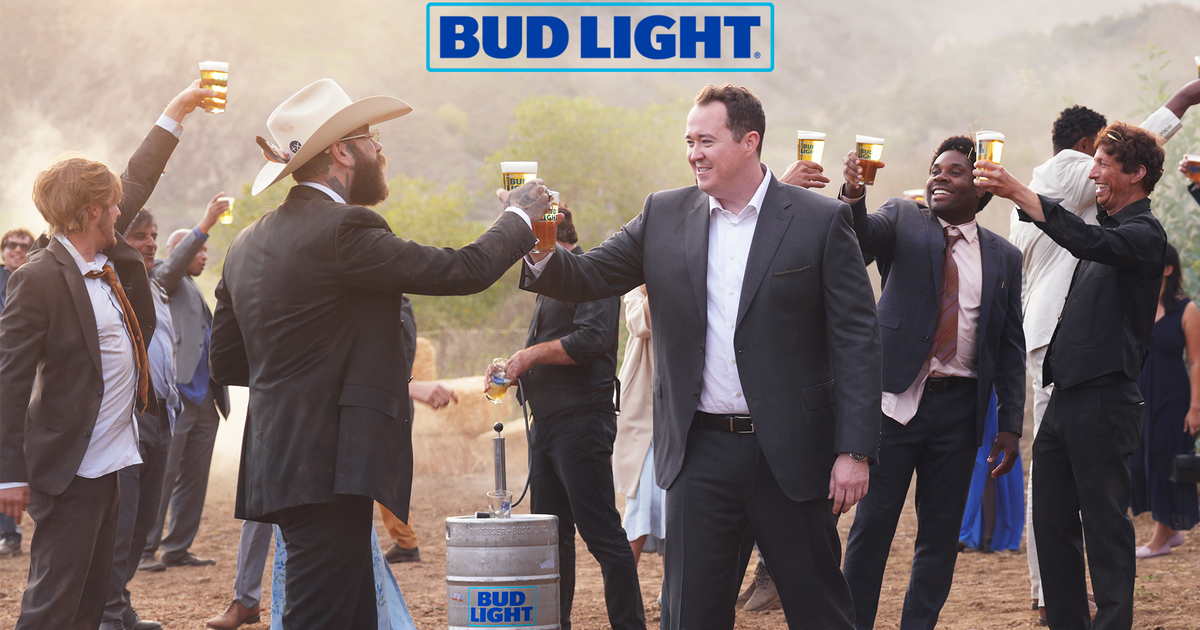
The comedic approach isn’t entirely new; last year’s Super Bowl also featured plenty of funny moments alongside celebrity cameos. But 2026 seems to be doubling down on this formula, with brands creating elaborate comedic scenarios featuring everyone from Pro Football Hall of Famer Peyton Manning and musician Post Malone in a Bud Light commercial to pop sensation Sabrina Carpenter playing the “loves me, loves me not” game with Pringles chips. The celebrity factor has become almost mandatory, with brands understanding that star power helps cut through the clutter of competing messages. Whether it’s Ben Affleck revisiting a mysterious 1990s pilot for Dunkin’, William Shatner making fiber jokes for Raisin Bran, or Andy Samberg parodying Neil Diamond for Hellmann’s mayo, the message is clear: if you want viewers to remember your brand, make them laugh with someone they recognize.
New Players and Returning Champions
Super Bowl LX features an interesting mix of traditional advertisers and newcomers testing the waters of America’s biggest advertising stage. Longtime Super Bowl staples like Budweiser, Pepsi, and their various brand extensions are back, maintaining their annual tradition of reaching this massive audience. Budweiser’s 2026 spot, “American Icons,” featuring their beloved Clydesdale horses and an American bald eagle, is already generating buzz and predictions that it might be the most popular commercial of the game. Forbes praised the ad for hitting “all the right notes” with its themes of unity and national pride—exactly the kind of unifying message that resonates during divisive times.
But alongside these familiar faces, several new entrants are making their Super Bowl debuts, signaling shifts in American culture and commerce. Telehealth company Ro is featuring tennis legend Serena Williams discussing weight-loss medication, bringing conversations about GLP-1 drugs to the biggest advertising stage. Fanatics Sportsbook, representing the rapidly expanding sports betting industry, has enlisted model Kendall Jenner in a self-deprecating commercial about betting on her basketball player exes. The online betting company even staged a publicity stunt claiming Jenner wagered $1 million on the Patriots, demonstrating how Super Bowl advertising now extends far beyond the 30 or 60 seconds of actual airtime. Meanwhile, Oakley Meta is showcasing AI-powered smart glasses for athletes, and business software company Ramp is using “The Office” star Brian Baumgartner to explain finance automation—proof that even B2B companies now see value in Super Bowl exposure.
Creative Risks and Bold Messages
Some advertisers are using their Super Bowl platform to address more serious topics, albeit often with a humorous twist. Hims & Hers is tackling America’s healthcare inequality with a spot bluntly titled “Rich People Live Longer,” arguing that their telehealth services can help bridge the gap by providing peptides and treatments typically accessible only to the wealthy. USA Today noted that the ad touches on “a hot topic in the current United States landscape,” showing how some brands are willing to wade into potentially controversial territory if they believe the message will resonate. Similarly, Novartis is promoting a blood test for prostate cancer with an ad featuring NFL tight ends (including Rob Gronkowski and George Kittle) relaxing to Enya—a commercial that ad blog Muse by Clios noted wins “the prize for the least subtle messaging of Super Bowl 60.”
Other commercials are taking creative risks that harken back to advertising’s golden age or tap into nostalgia. Pepsi’s Zero Sugar commercial features a polar bear—long associated with competitor Coca-Cola—having an existential crisis after choosing Pepsi in a blind taste test, potentially reigniting the cola wars with Academy Award-winning filmmaker Taika Waititi at the helm. Rocket and Redfin are featuring Lady Gaga singing Mr. Rogers’ “Won’t You Be My Neighbor” in intimate black-and-white footage. Toyota is pulling at heartstrings with a multigenerational story about a grandfather’s “superhero belt” (seatbelt) that bookends a lifetime of family moments. These approaches demonstrate that while humor dominates, there’s still room for emotion, nostalgia, and even controversy in the Super Bowl advertising playbook.
The Pre-Game Show: Teasers and Strategic Releases
The Super Bowl advertising game has evolved far beyond the three-hour broadcast window. Modern advertisers have developed elaborate pre-game strategies involving teaser clips, full ad releases, and social media campaigns designed to maximize their investment’s reach and impact. Many brands now release their complete commercials days before the game, ensuring they capture attention in the lead-up when competition for eyeballs is slightly less fierce. Others drop 15-second teasers that reveal just enough to generate curiosity and conversation without giving away the payoff. This strategy extends the value of their multimillion-dollar investment, generating news coverage and social media discussion that multiplies their audience far beyond the game itself.
For instance, Bosch’s teaser “A Little Buzz” shows someone approaching Food Network star Guy Fieri’s signature bleached hair with clippers, then flashing an image of him with dark hair—a transformation that, according to The Hollywood Reporter, set the internet “ablaze” with speculation. Dunkin’ released two teasers featuring Ben Affleck trying to convince Jennifer Aniston, Matt LeBlanc, and Jason Alexander to reveal the contents of a mysterious VHS tape from 1995. Squarespace’s cryptic teaser simply shows Emma Stone crying with no context whatsoever, relying purely on intrigue to build anticipation. These pre-releases have become calculated gambles: reveal too much and viewers might not pay attention during the actual game; reveal too little and you might not generate sufficient buzz to justify the investment.
The Cultural Impact Beyond the Game
What these Super Bowl commercials represent extends far beyond immediate sales figures or brand awareness metrics. They’ve become genuine cultural touchstones—moments that define what’s happening in American commerce, entertainment, and society at large. The fact that business software companies, telehealth providers, and AI-powered smart glasses are competing for attention alongside beer, soda, and snack food speaks to how technology is reshaping every aspect of our lives. The prominence of sports betting ads reflects recent legal changes and Americans’ changing relationship with gambling. The emphasis on healthcare accessibility, weight-loss medications, and preventive testing shows how health concerns have moved from private conversations to mainstream advertising.
The Super Bowl has become one of the few remaining shared cultural experiences in an increasingly fragmented media environment. While people might watch different streaming services, follow different social media feeds, and consume news from vastly different sources, the Super Bowl still manages to bring together a massive, diverse audience for a single event. Advertisers know this, which is why they’re willing to pay astronomical sums for the privilege of being part of that conversation. Whether it’s TurboTax featuring Adrian Brody just as millions of Americans start thinking about their taxes, Instacart explaining banana ripeness preferences, or Skechers getting Sofía Vergara to talk about comfortable shoes, these commercials aim to insert brands into everyday life at the exact moment when the entire nation is paying attention. In an age where ad-blockers, streaming services, and changing media consumption habits make reaching large audiences increasingly difficult, the Super Bowl remains advertising’s last great frontier—expensive, risky, but potentially invaluable for brands willing to make the investment and creative gamble.