


Norwegian Ambassador Resigns Amid Jeffrey Epstein Scandal
High-Profile Diplomat Steps Down Following Controversial Connections
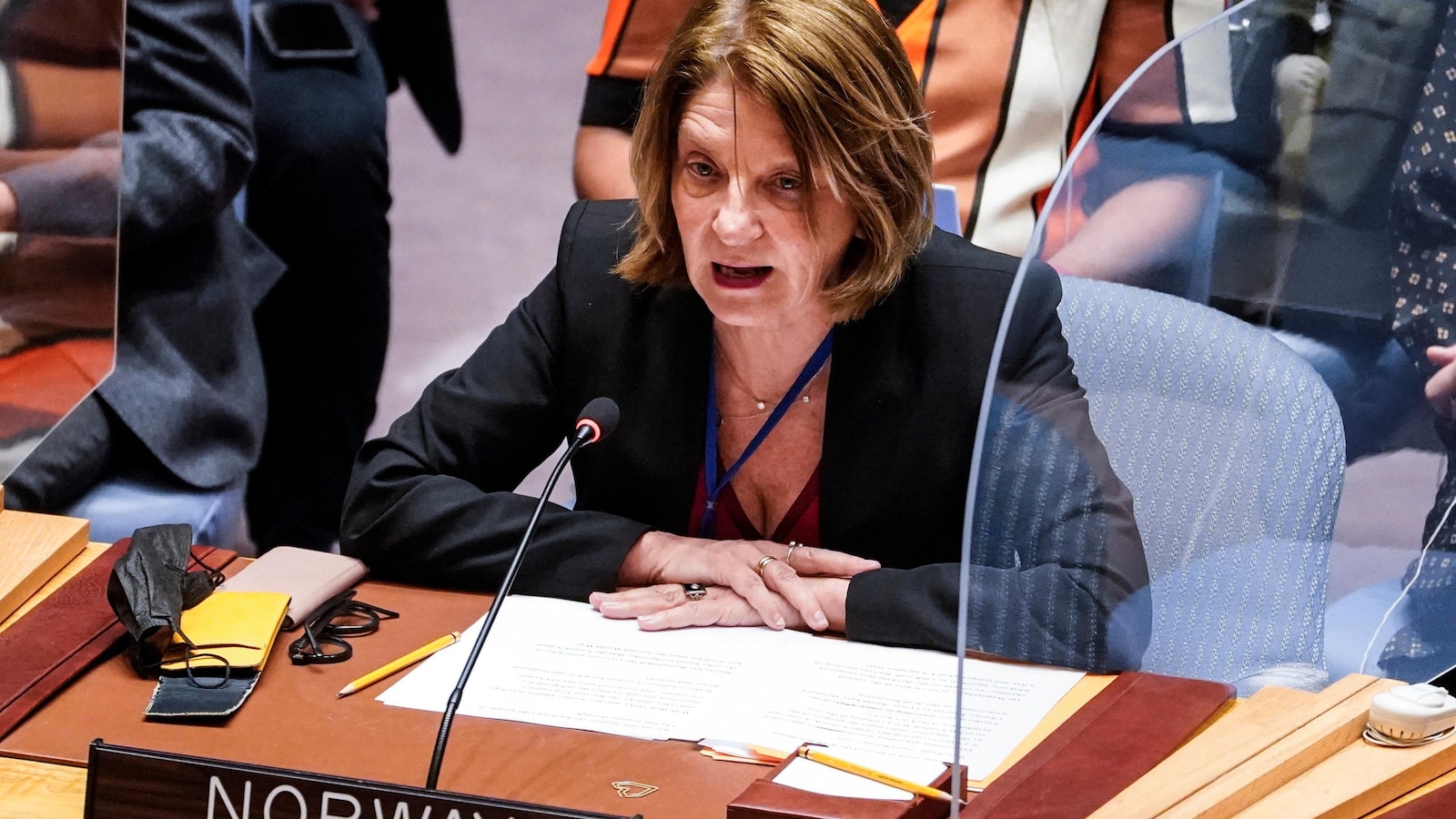
The Norwegian Foreign Ministry announced a significant resignation on Sunday evening that has sent shockwaves through diplomatic circles and the nation’s political establishment. Mona Juul, a respected Norwegian ambassador with a distinguished career in Middle Eastern diplomacy and peace negotiations, has stepped down from her position following mounting pressure over her connections to convicted sex offender Jeffrey Epstein. The resignation came just days after Juul was suspended from her role as Norway’s ambassador to Jordan, as details emerged about a controversial bequest and previously undisclosed relationships with the disgraced financier. This development represents one of the most serious diplomatic scandals to hit Norway in recent years, and it has prompted broader investigations into how Epstein managed to cultivate relationships with several prominent Norwegian figures, including members of the royal family and former government leaders.
The Financial Connection That Sparked the Investigation
The controversy surrounding Mona Juul intensified dramatically when reports surfaced revealing that Jeffrey Epstein had included the children of Juul and her husband, Terje Rød-Larsen, in his will for a staggering sum of $10 million. This will was reportedly drawn up shortly before Epstein’s death by suicide in a New York prison in August 2019, where he was awaiting trial on federal sex trafficking charges. The revelation of this substantial bequest raised immediate questions about the nature and extent of the relationship between the Norwegian diplomatic couple and Epstein, particularly given Epstein’s criminal history and the serious allegations surrounding him. Foreign Minister Espen Barth Eide responded to the resignation by calling it “correct and necessary,” making it clear that the government viewed the situation with utmost seriousness. Eide emphasized that Juul’s contact with Epstein demonstrated a “serious lapse in judgment” and noted that the case had severely damaged the trust essential for someone serving in such a sensitive diplomatic role. Despite the resignation, the ministry has made clear that its investigation into the full extent of Juul’s knowledge of and contact with Epstein will continue, with ongoing discussions planned between Juul and ministry officials to fully clarify the matter and establish a complete timeline of interactions.
A Distinguished Career in Peace Diplomacy Now Overshadowed
Before this scandal emerged, Mona Juul was widely respected in international diplomatic circles for her significant contributions to Middle Eastern peace efforts. Together with her husband Terje Rød-Larsen, Juul was instrumental in facilitating the landmark Oslo Accords during the 1990s, which represented one of the most ambitious attempts to resolve the long-standing Israeli-Palestinian conflict. The Oslo Accords were groundbreaking at the time, bringing together Israeli and Palestinian leaders in secret negotiations hosted by Norway that eventually led to mutual recognition and a framework for future peace efforts. The couple’s work on these accords had defined much of their professional legacy and established Norway as an important neutral mediator in international conflicts. Their involvement in such high-profile peace initiatives had given them considerable credibility and access within international diplomatic and political circles. This makes the current scandal all the more jarring, as it threatens to overshadow decades of diplomatic achievement. The fact that such accomplished diplomats could become entangled with someone like Jeffrey Epstein has raised uncomfortable questions about how international elites interact, the nature of philanthropic networks, and the potential blind spots that can exist even among those dedicated to peace and justice.
Conflicting Accounts and Acknowledgment of Poor Judgment
In response to the growing scrutiny, Juul provided a statement to Norwegian news agency NTB last week attempting to clarify the nature of her relationship with Epstein. In this statement, she acknowledged that it had been “imprecise” to previously characterize her contact with the convicted sex offender as minimal, representing a significant admission that her earlier accounts had not presented the full picture. However, Juul maintained that her connection to Epstein originated primarily through her husband’s relationship with the financier and insisted that she herself had no independent social or professional relationship with him. She described her personal contact with Epstein as sporadic and emphasized that these interactions were private in nature rather than part of her official diplomatic duties. Despite these clarifications, Juul conceded an important point: she acknowledged that she “should have been much more careful” in managing these connections. This admission of poor judgment aligns with Foreign Minister Eide’s assessment of the situation and reflects a recognition that diplomats, particularly those representing their countries in sensitive regions and conflicts, must maintain the highest standards of discretion regarding their personal associations. The statement attempted to draw a distinction between personal and professional spheres, but critics have pointed out that for someone in Juul’s position, such boundaries are never truly clear-cut, and associations with controversial figures inevitably reflect on their official capacity.
Wider Implications: A Scandal Touching Norway’s Elite
The latest release of documents related to Jeffrey Epstein has cast an increasingly unflattering spotlight on several prominent Norwegian figures, suggesting that Epstein’s network of influence extended deeper into Norway’s political and social elite than previously understood. Perhaps most notably, Crown Princess Mette-Marit issued a public apology on Friday, expressing regret “to all of you whom I have disappointed” after newly released documents provided additional details about her own relationship with Epstein. The involvement of a member of the Norwegian royal family has added another dimension to the scandal and intensified public interest in how Epstein managed to cultivate such high-level connections in Norway. Furthermore, Norway’s economic crimes unit has opened a formal corruption investigation into former Prime Minister Thorbjørn Jagland over his ties with Epstein. Jagland’s case is particularly significant because he not only served as prime minister but also once headed the Norwegian Nobel Committee, the body responsible for awarding the Nobel Peace Prize, one of the world’s most prestigious honors. Through his lawyer, Jagland has indicated his willingness to cooperate with the investigation. The Foreign Ministry has also launched a separate review examining its funding of and contact with the International Peace Institute, a New York-based think tank that was headed by Terje Rød-Larsen, Juul’s husband, during the period when connections with Epstein were established. Minister Eide specifically stated that Rød-Larsen also demonstrated poor judgment in his dealings with Epstein, making clear that accountability extends beyond just the ambassador herself.
Questions of Judgment, Trust, and Diplomatic Integrity
This unfolding scandal raises profound questions about judgment, vetting, and the maintenance of diplomatic integrity in an increasingly interconnected world where personal and professional networks can overlap in complex ways. For Norway, a nation that has carefully cultivated an international reputation as an honest broker in peace negotiations and a champion of human rights and transparency, the Epstein connections represent a significant reputational challenge. The country now finds itself grappling with how some of its most prominent citizens—including diplomats dedicated to peace, political leaders, and even royalty—could have maintained relationships with someone whose criminal behavior and exploitation of vulnerable young women was, in hindsight, evident to many around him. The investigations currently underway will need to determine not just the extent of these relationships but also whether any official resources, influence, or access was compromised as a result. As the ministry continues its investigation into Juul’s contacts and knowledge, and as separate probes examine the actions of Jagland and the funding relationships involving Rød-Larsen’s think tank, Norway faces a moment of reckoning about the standards it expects from those who represent the nation on the world stage. The resignation of Ambassador Juul may be just the beginning of a longer process of accountability and reform aimed at ensuring that such lapses in judgment do not occur again, and that the trust essential to Norway’s diplomatic mission can be restored both domestically and internationally.