

The Shadow of Apartheid: South Africa Confronts Its Violent Past
A Notorious Figure Returns to Court
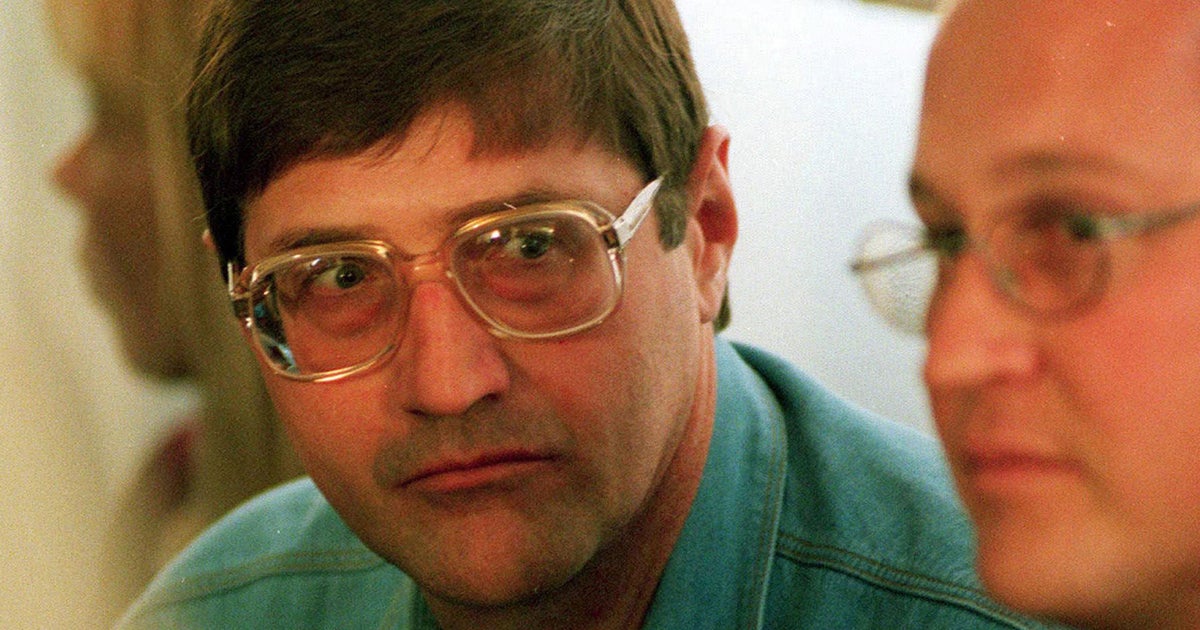
South Africa is once again grappling with the dark legacy of its apartheid past as one of the era’s most infamous police commanders appeared before an inquiry examining unsolved atrocities from the country’s brutal period of racial segregation. Eugene de Kock, a man who earned the chilling moniker “Prime Evil” for his role in systematically eliminating anti-apartheid activists, testified on Monday about one of the most shocking cases from that period—the 1985 murder of the Cradock Four. Now 77 years old and released from prison on parole in 2015, de Kock appeared under heavy police guard at a court in Gqeberha, his image deliberately blurred on official broadcasts per judicial order. His testimony represents part of South Africa’s renewed commitment to finally bringing clarity to crimes that were committed during apartheid but never fully prosecuted or resolved, even after the country’s transition to democracy.
The Cradock Four and a System of Terror
The case at the heart of the current inquiry involves four activists—Matthew Goniwe, Fort Calata, Sicelo Mhlauli, and Sparrow Mkonto—three of whom were teachers working in their communities. In 1985, these men were abducted by police at a roadblock, killed, and their bodies burned in a crime that shocked even those already familiar with apartheid’s brutality. De Kock testified that while he was not directly involved in their murders, the security apparatus he was part of maintained photographs of approximately 6,000 anti-apartheid activists who were classified as “known terrorists.” These individuals were to be tracked and, if arrest wasn’t feasible, killed. According to de Kock, the Cradock Four were not among those specifically targeted on this list. However, he revealed that one of the police officers implicated in the killings approached him seeking help with a cover-up, asking if he could provide another firearm and whether they could “interfere with the ballistics” to obscure evidence. This testimony pulls back the curtain on the systematic nature of apartheid-era violence and the extensive networks involved in both committing crimes and concealing them.
A Life Dedicated to Violence and Its Consequences
Eugene de Kock’s personal history reads like something from a dark novel. The son of Lawrence de Kock, a magistrate and close personal friend of former apartheid Prime Minister John Vorster, Eugene grew up in a family connected to the highest levels of the apartheid government. His brother described him to the BBC as a “quiet boy” who “wasn’t violent at all,” making his transformation into one of apartheid’s most brutal enforcers all the more chilling. As commander of a special counterinsurgency police unit during apartheid, de Kock became responsible for abducting, torturing, and killing numerous activists. In 1996, he was convicted of murder, kidnapping, and other charges, receiving two life terms plus an additional 212 years in prison. Yet the weight of his crimes appears to have affected even this hardened perpetrator. In a letter to the family of Bheki Mlangeni, a lawyer he killed with a letter bomb, de Kock wrote: “There is no greater punishment than to have to live with the consequences of the most terrible deed with no-one to forgive you. For me, even my own death can’t compare.” While such words cannot undo the harm he caused, they offer a glimpse into the psychological burden carried by those who committed apartheid’s atrocities, and his requests for forgiveness from some victims have been documented, though the sincerity and impact of such gestures remain subjects of debate.
Decades of Cover-Ups and Obstruction
The Cradock Four case has been investigated before, but those earlier inquiries are now widely viewed as deliberate cover-ups designed to protect the apartheid state and its agents. The first investigation, which began in 1987 while apartheid was still firmly in place, concluded that the men were killed by “unknown people”—a finding that strained credibility given the circumstances of their abduction. A second inquiry that started in 1993, as apartheid was crumbling, went slightly further, determining that the activists were killed by unnamed police officers, but still failing to provide accountability. Even during South Africa’s post-apartheid Truth and Reconciliation process in the late 1990s, which was designed to bring closure and justice to the nation, six former policemen implicated in the killings were identified but denied amnesty—yet they were never prosecuted. All six have since died, taking their detailed knowledge of the crimes to their graves. The current inquiry, which began last year, came about only because the families of the victims maintained relentless pressure for decades, refusing to let their loved ones’ murders fade into historical footnotes. The Foundation for Human Rights, representing some of these families, has been instrumental in pushing for this renewed investigation, understanding that true reconciliation requires confronting uncomfortable truths, even many years after the fact.
A Broader Reckoning with the Past
The inquiry into the Cradock Four is not an isolated effort but part of a broader movement within South Africa to finally address apartheid-era crimes that have gone unpunished for decades. Authorities have reopened several other investigations into notorious cases, including the 1967 death of Nobel Peace Prize winner Albert Luthuli, whose passing under suspicious circumstances was never properly investigated; the 1981 killing of lawyer Griffiths Mxenge, who was brutally murdered for his work defending anti-apartheid activists; and perhaps most famously, the 1977 death in police custody of Steve Biko, an iconic anti-apartheid figure whose brutal treatment and death became an international symbol of the regime’s cruelty. These cases represent just a fraction of the violence committed during apartheid, but they are among the most high-profile and symbolic. By revisiting them, South Africa is making a statement about its commitment to justice, however delayed, and to the principle that those who committed crimes against humanity should not escape accountability simply because time has passed. This wave of renewed investigations signals that the country is not content to let its painful past remain buried or unexamined, recognizing that true healing requires acknowledgment and, where possible, accountability.
Presidential Action and Questions of Complicity
In a move that demonstrates just how seriously current leadership is taking this issue, South African President Cyril Ramaphosa ordered a separate inquiry last year to examine whether post-apartheid governments—including those led by his own African National Congress party—intentionally blocked investigations and prosecutions of apartheid-era crimes. This is perhaps the most significant and potentially controversial aspect of the current reckoning, as it raises difficult questions about whether the transition to democracy came at the cost of justice. Did successive ANC governments, in the interest of maintaining stability and national unity, deliberately allow perpetrators of apartheid crimes to escape prosecution? Were political considerations prioritized over the rights of victims and their families? These are uncomfortable questions for a party that came to power on the promise of justice and equality, but they are questions that must be asked if South Africa is to truly come to terms with its past. This presidential inquiry represents an acknowledgment that the Truth and Reconciliation Commission, while groundbreaking and important, may not have gone far enough in ensuring accountability, and that political will—or the lack thereof—may have prevented justice from being fully served. As these various inquiries proceed, South Africa finds itself at a critical juncture, decades after apartheid’s end, still working to balance the competing needs of reconciliation, justice, and national unity while honoring the memories of those who suffered and died in the struggle for freedom.