


Tragic Avalanche Claims Two Lives on Mont Blanc’s Italian Slopes
A Deadly Sunday Morning in the Italian Alps
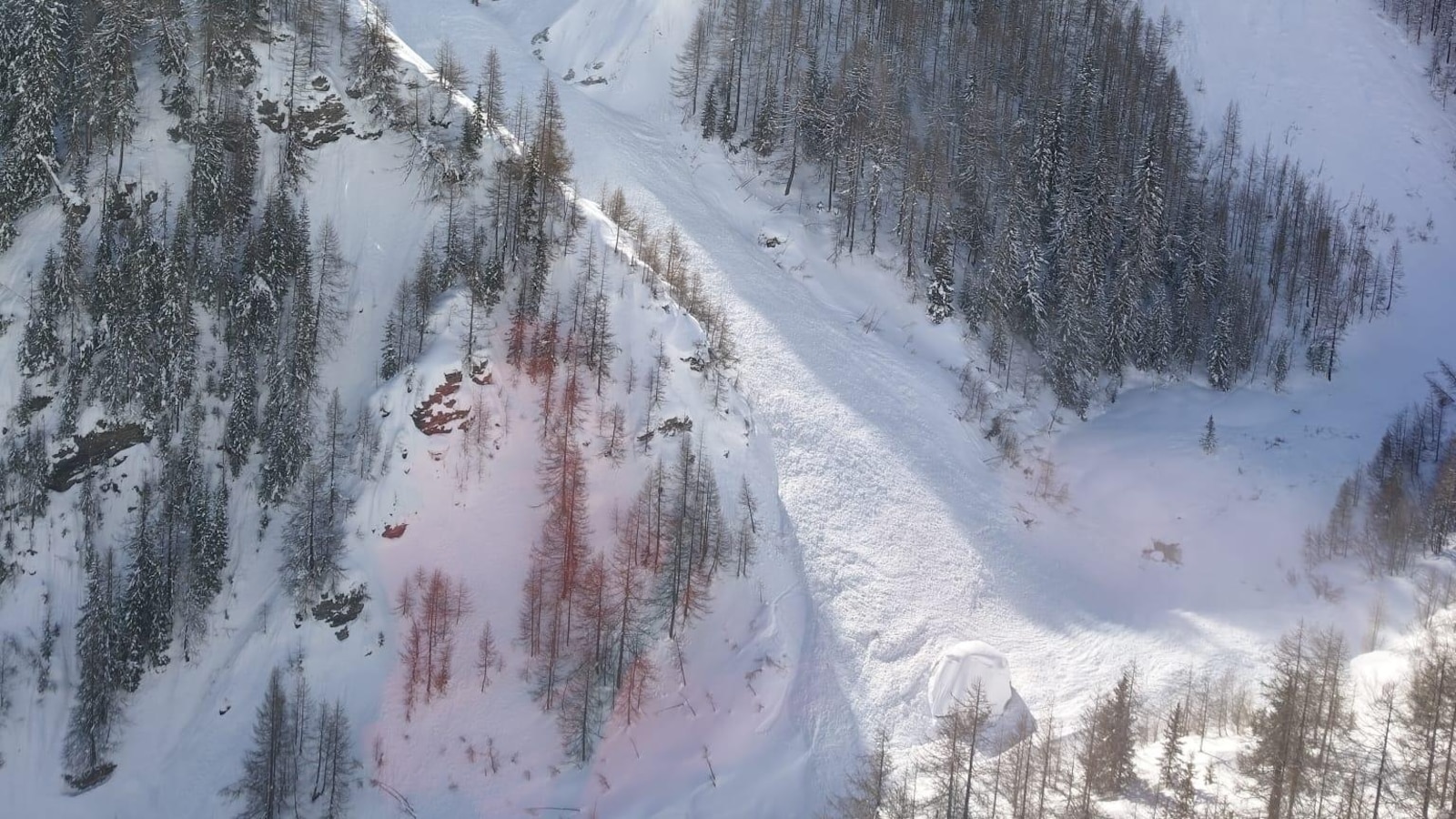
The majestic peaks of the Mont Blanc massif, usually a paradise for adventure seekers and skiing enthusiasts, became the scene of heartbreak and tragedy this past Sunday when a devastating off-trail avalanche claimed the lives of two experienced skiers and left another seriously injured. The incident occurred on the Italian side of this famous mountain range, in an area that sits close to where the borders of France and Switzerland meet. The avalanche struck in the morning hours at Couloir Vesses, a location well-known among freeride skiing enthusiasts in the Courmayeur region, specifically in the upper Val Veny area. This popular but challenging route attracts skilled skiers looking for pristine powder and unmarked terrain, but on this particular Sunday, the mountain revealed its most dangerous and unforgiving nature. According to Italy’s Alpine Rescue service, at least three skiers found themselves caught in the powerful cascade of snow that came thundering down the mountain slope without warning, sweeping them away in its deadly path.
The rescue operation that followed demonstrated the dedication and professionalism of Italy’s mountain rescue teams, though tragically, their efforts could not save all those caught in the avalanche. One victim was successfully extracted from the snow and immediately transported to a nearby hospital in serious condition, with medical teams working frantically to save their life. Despite the best efforts of doctors and emergency medical personnel, this individual succumbed to their injuries and passed away at the hospital, bringing the death toll from this single incident to two. The complexity and urgency of the rescue mission required significant resources, with fifteen specialized mountain rescue personnel deployed to the scene, accompanied by three trained canine units whose keen senses are invaluable in locating people buried beneath snow. Two helicopters were also dispatched to assist with the search and rescue efforts, providing aerial support, transportation for injured victims, and helping rescuers access the difficult terrain quickly in what was undoubtedly a race against time in harsh mountain conditions.
The Location and Context of the Tragedy
Courmayeur, the picturesque town nearest to where this tragedy unfolded, is home to approximately 2,900 residents and serves as a beloved destination for mountain enthusiasts from around the world. This charming alpine community sits about 200 kilometers, or roughly 124 miles, northwest of Milan, one of Italy’s most vibrant metropolitan areas. The proximity to Milan is particularly noteworthy at this moment in time, as the city is currently serving as one of the host venues for the Milan-Cortina Winter Olympics, an international sporting event that celebrates winter sports while simultaneously highlighting the very real dangers these activities can present when conditions turn treacherous. The contrast between the controlled, safety-conscious environment of Olympic competition and the raw, unpredictable nature of backcountry skiing could not be more stark, and this incident serves as a sobering reminder that the mountains operate by their own rules, regardless of human ambitions or sporting events.
Sunday’s fatal avalanche in Courmayeur was not an isolated incident in the Italian Alps that day. In the Trentino region, another skier experienced a frightening brush with death when they were partially buried by a separate avalanche. Fortunately, in this case, the story had a much happier ending, as the individual’s companions were able to quickly locate and rescue them before the situation became fatal. This second incident underscores the critical importance of never venturing into avalanche-prone backcountry terrain alone and highlights how having knowledgeable, prepared companions can mean the difference between life and death in these emergency situations. The fact that two avalanches occurred in different regions of the Italian Alps on the same day is not coincidental but rather points to widespread dangerous conditions affecting the entire mountain range.
An Alarming Pattern of Mountain Deaths
The tragic loss of life on Sunday fits into a deeply troubling pattern that has emerged in the Italian mountains in recent weeks. According to data released by Alpine Rescue the previous Monday, a shocking total of thirteen backcountry skiers, climbers, and hikers lost their lives in the Italian mountains during just one week ending on February 8. This represents a record number of fatalities compressed into such a short timeframe, and the statistics become even more disturbing when the causes are examined more closely. Of those thirteen deaths, ten were directly caused by avalanches, triggered by what mountain safety experts have described as an exceptionally unstable snowpack throughout the region. These numbers are not just statistics; they represent individuals who ventured into the mountains seeking adventure, beauty, and the thrill of winter sports, only to have their lives cut tragically short by the powerful and unpredictable forces of nature.
The reasons behind this spike in avalanche-related fatalities are complex but can be traced to specific meteorological and snowpack conditions that have created what experts describe as a perfect storm of danger. Fresh snowfall from recent winter storms has blanketed the mountains in what appears to be ideal skiing conditions, with deep powder that attracts advanced skiers seeking the ultimate mountain experience. However, this appealing surface layer conceals a deadly reality beneath. Strong winds have swept across the mountain peaks, creating wind-swept snowcaps and unusual accumulations of snow in certain areas, particularly on lee slopes and in couloirs and gullies where wind deposits snow that has been picked up from other areas. This wind-transported snow has been deposited on top of weak internal layers within the existing snowpack, creating an unstable structure that can fracture and fail with devastating consequences when the right trigger occurs, whether that’s the weight of a skier, a sudden temperature change, or simply the internal stresses within the snowpack reaching a critical point.
Understanding the Widespread Danger Across the Alps
Alpine Rescue officials have been emphatic in their warnings that these especially risky conditions are not limited to one valley or mountain but extend along the entire Alpine crescent, the spectacular arc of mountains that forms natural borders between Italy and its northern neighbors, France, Switzerland, and Austria. This means that virtually anywhere someone might choose to venture into the backcountry in this region, they face elevated avalanche danger. The geographical scope of this hazard is significant, encompassing hundreds of kilometers of mountain terrain and affecting countless popular skiing, climbing, and hiking destinations. Mountain safety experts have been working tirelessly to communicate these dangers to the public through avalanche bulletins, social media warnings, and public safety announcements, but the tragic death toll suggests that the message is either not reaching everyone who needs to hear it or is being underestimated by some who believe their skills and experience will protect them from the mountain’s dangers.
The reality is that even highly experienced mountain athletes can fall victim to avalanches when conditions are as unstable as they have been in recent weeks. Avalanche science has made tremendous strides in helping people understand and predict these events, but there remains an element of unpredictability that cannot be completely eliminated. The snowpack is a complex, three-dimensional structure that varies from slope to slope, aspect to aspect, and elevation to elevation. What might be stable on one run could be catastrophically unstable just a few hundred meters away. This uncertainty, combined with the inherent challenges of assessing buried weak layers without digging numerous snow pits and conducting stability tests, means that backcountry travelers are making decisions based on incomplete information, no matter how educated and experienced they might be.
Moving Forward with Caution and Respect
In the wake of these tragic deaths and the concerning pattern of avalanche fatalities, the mountain community, rescue organizations, and local authorities are calling for renewed caution and respect for mountain conditions. While no one wants to discourage people from enjoying the spectacular beauty and recreational opportunities the Alps provide, there is a growing recognition that when conditions are this dangerous, discretion truly is the better part of valor. Choosing to stay off steep slopes, avoiding avalanche terrain entirely, or even postponing mountain adventures until conditions improve are all valid and potentially life-saving decisions. The mountains will always be there, but the opportunity to return another day evaporates instantly when someone becomes another avalanche statistic.
For those who do venture into the backcountry during periods of elevated avalanche danger, proper equipment and training are absolutely essential, though they offer no guarantee of safety. Avalanche transceivers, probes, and shovels are the minimum required equipment, and every member of a backcountry party should know how to use them proficiently. Avalanche education courses, which teach snowpack assessment, terrain selection, and rescue techniques, provide valuable knowledge that can help people make better decisions in the mountains. Traveling with experienced partners, staying in communication, practicing safe travel techniques like skiing one at a time across avalanche-prone slopes, and always having an escape plan are all part of a risk-management approach that, while not eliminating danger, can significantly reduce it. As the alpine community mourns the loss of two more lives to the mountains they loved, the hope is that others will learn from this tragedy and approach their own mountain adventures with the appropriate level of preparation, caution, and respect for the powerful natural forces that shape these beautiful but dangerous environments.