


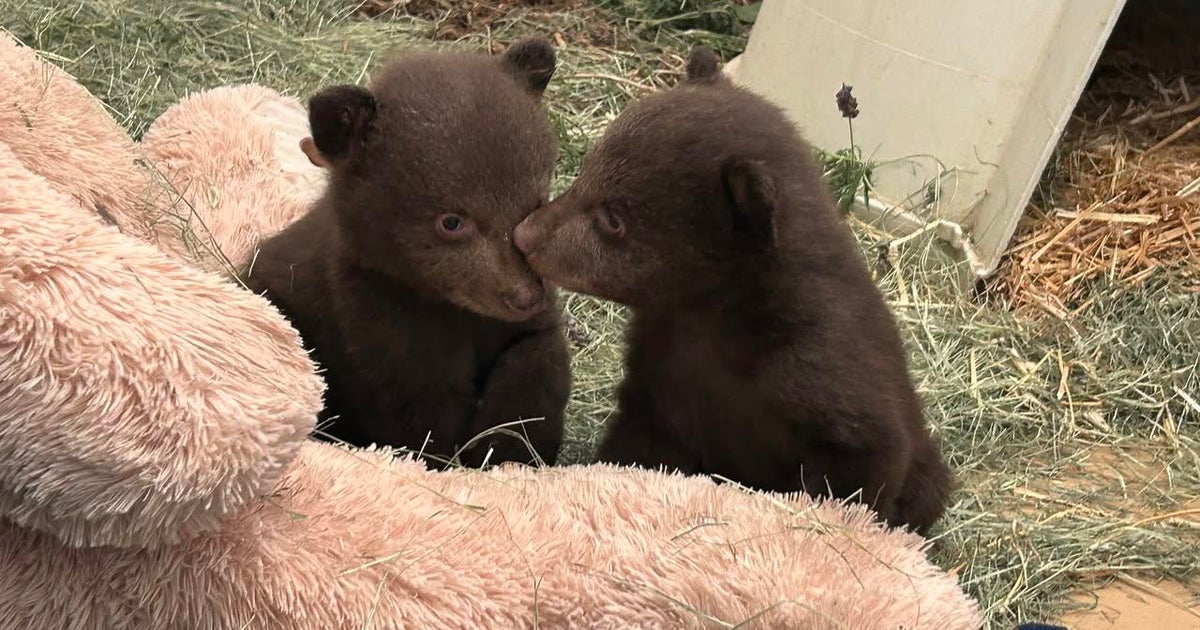

Orphaned Bear Cubs Begin New Life After Mother’s Tragic End
A Mother Bear’s Deadly Encounters Lead to Difficult Decision
In a heartbreaking turn of events that highlights the complex relationship between wildlife and human communities, two young bear cubs are now facing life without their mother at a California animal welfare facility. The San Diego Humane Society announced that they have taken in these orphaned cubs after their mother was euthanized by state wildlife officials following a series of attacks on residents in Monrovia, California. Through DNA testing, authorities confirmed that this particular bear was responsible for two separate incidents that occurred within less than a year, both involving unprovoked aggression toward people in their own neighborhood. The first attack happened in March 2025, when the bear swiped at a woman who was simply walking her dog. Just three months later, in June, the same bear struck again, this time targeting an elderly man who was sitting peacefully on his own enclosed porch. While both victims fortunately recovered from what were classified as minor injuries, these incidents raised serious concerns about public safety and the bear’s increasingly bold behavior around humans. The situation sparked heated debate within the community about how to handle wildlife that poses a threat to residents, with many people advocating for more humane solutions.
Community Pushback and State Authority Clash Over Bear’s Fate
The decision to euthanize the mother bear didn’t come without significant opposition from local residents and officials who felt there were better alternatives. Monrovia’s city manager, Dylan Feik, revealed that both the city council and numerous community members had strongly advocated for a different approach—they wanted the bear and her cubs to be relocated to the nearby Angeles National Forest, where they could live away from populated areas. This public outcry reflected a growing sentiment among Californians who recognize that bears are native to the region and deserve protection, even when conflicts arise. However, despite these local appeals, the California Department of Fish and Wildlife maintained jurisdiction over the final decision. State officials explained that their choice to euthanize the adult bear came only after conducting what they described as “a thorough assessment of the bear’s behavior and the circumstances of the incident.” This careful evaluation presumably took into account factors such as the bear’s pattern of behavior, the risk of future attacks, and the feasibility of relocation as a safe alternative. Wildlife experts understand that bears who have lost their natural fear of humans and have exhibited aggressive behavior often continue that pattern even after relocation, potentially endangering people in new areas.
Saving the Next Generation: A Second Chance for the Cubs
Despite the tragic outcome for their mother, the two young bear cubs now have an opportunity for a different future, thanks to the dedicated team at the San Diego Humane Society’s Ramona Wildlife Center. Wildlife veterinarians who examined the cubs determined they are only two or three months old—extremely young and vulnerable, requiring months of intensive, specialized care to survive. To understand just how dependent these cubs are, it’s important to know that black bear cubs in the wild typically aren’t weaned from their mothers until they reach six to eight months of age, and they normally remain with their mothers learning essential survival skills until they’re approximately 18 months old. During this critical learning period, cubs follow their mothers everywhere, watching and mimicking her behaviors as she teaches them fundamental skills like identifying which foods are safe to eat, where to find those foods throughout different seasons, how to recognize and avoid dangers, and how to navigate their territory. Without their mother, these cubs would have absolutely no chance of survival in the wild. The San Diego Humane Society has stepped in to fill this crucial role, with the ultimate goal of raising these cubs in a way that will allow them to eventually be released back into their natural habitat as wild bears, not as dependent animals that might seek out human contact or populated areas as their mother did.
Innovative Techniques to Keep the Cubs Wild at Heart
The challenge facing the wildlife rehabilitation team is extraordinary: how do you provide necessary care to vulnerable baby bears while ensuring they don’t become comfortable with or dependent on humans? The San Diego Humane Society has developed an innovative and somewhat unusual approach to solve this problem. The cubs have been placed in a specially designed habitat that carefully mimics the natural environment they would experience in the wild, with features and elements that encourage natural behaviors. But even more fascinating is how the staff interacts with these young bears during feeding times and care sessions. In an effort to completely conceal their human identity and prevent the cubs from forming any positive associations with people, caretakers wear bear masks when approaching the animals. They also use animal furs and scents to further disguise their human presence, creating an experience that’s as close to interacting with another bear as possible. As reported by CBS affiliate KFMB, this elaborate disguise serves a critical purpose—if these cubs are going to survive when released back into the wild, they cannot view humans as a source of food, comfort, or safety. Throughout their time at the center, the cubs will receive appropriate feedings carefully calculated to meet their nutritional needs, medical care to ensure they’re healthy and developing properly, and what wildlife experts call “species-specific enrichment”—activities and experiences designed to stimulate natural bear behaviors and instincts.
The Long Road to Rehabilitation and Release
Autumn Welch, who serves as the wildlife operations manager at the San Diego Humane Society, emphasized the enormous commitment required for this rehabilitation project. “Raising bear cubs from this young age requires an extraordinary amount of time, expertise, and resources,” she explained to KFMB. “We don’t want them to associate with humans in any way if they are going to have a chance to survive in their natural habitat.” This statement underscores the delicate balance rehabilitation specialists must maintain—providing enough care to keep the cubs alive and healthy while simultaneously keeping enough distance to preserve their wild nature. The organization acknowledged this challenge in their social media communications, expressing optimism about the outcome: “With some creativity and dedication, we’ll help [the cubs] develop their survival instincts and remain wild. Together, we can still give these cubs the chance to live full, wild lives.” This process will likely take many months, during which the cubs will grow significantly and hopefully develop the instincts and skills they would have learned from their mother. The staff will need to introduce increasingly complex challenges and experiences that teach the cubs how to forage for natural foods, climb trees for safety, recognize potential threats, and ultimately how to live independently without any human support.
Understanding California’s Black Bear Population and Human Conflicts
This incident, while tragic, is far from isolated in California, where black bears are actually quite common across much of the state. According to the California Department of Fish and Wildlife, the state is home to an estimated 49,000 to 71,000 black bears distributed throughout various regions, particularly in areas with suitable habitat including forests and mountainous terrain. As human development continues to expand into traditional bear territory, and as bears occasionally venture into established neighborhoods, encounters between these animals and people have become increasingly frequent. Black bears are opportunistic omnivores with remarkably diverse diets—they’ll eat most foods they encounter, from berries and insects to fish and small mammals. This dietary flexibility is generally an advantage for bears, but it also leads them into conflict with humans when they discover the easy food sources found in residential areas. Unsecured garbage cans, pet food left outside, bird feeders, fruit trees, and even outdoor grills can attract bears into neighborhoods where they don’t belong. Once bears learn that human areas provide easy meals, they often return repeatedly and may become bolder in their approach, sometimes leading to dangerous encounters like those that ultimately cost the mother bear her life. This ongoing challenge requires communities to take responsibility for securing attractants while also developing humane wildlife management strategies that protect both people and the native bear population that has called California home for thousands of years.