

Pentagon Closes Historic Press Corridor Following Court Defeat
A Decades-Old Press Space Shuttered Amid Legal Battle
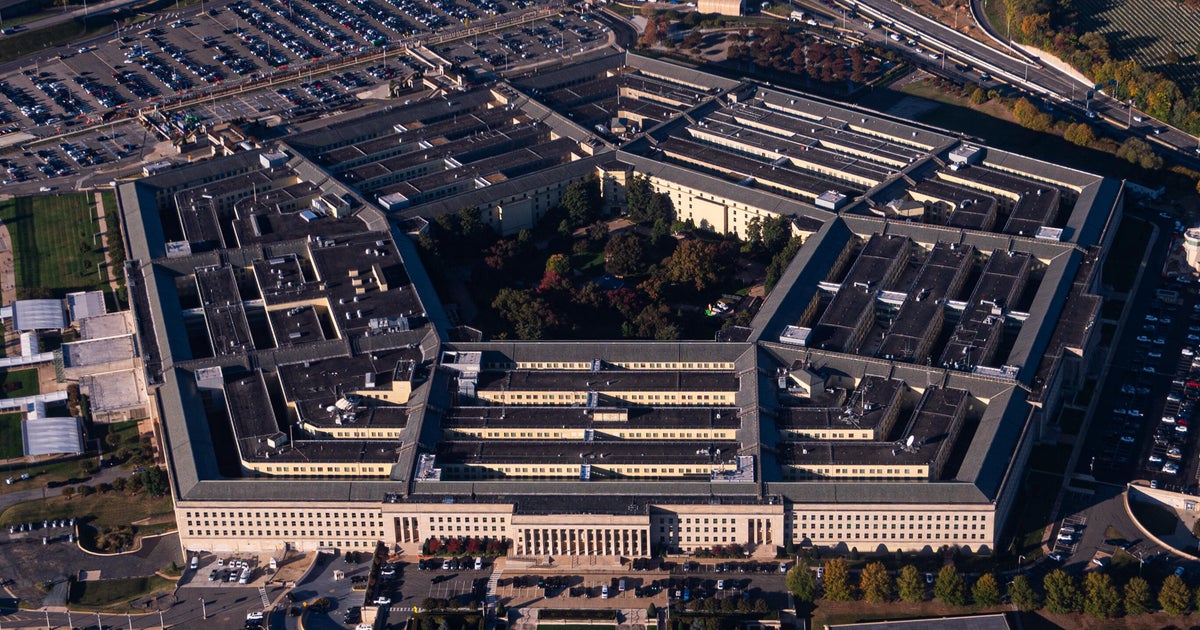
In a move that has sent shockwaves through the journalism community, the Defense Department announced on Monday that it will immediately close the “Correspondents’ Corridor” at the Pentagon—a workspace that reporters have relied on for decades to cover America’s military operations and defense policies. This dramatic decision comes on the heels of a federal court ruling that sided with The New York Times in a lawsuit challenging new restrictions on journalist access to the building. The closure represents a significant escalation in ongoing tensions between the Trump administration and traditional media outlets, raising serious questions about press freedom and government transparency at a time when American military operations are making headlines around the world. Pentagon spokesperson Sean Parnell stated that journalists would eventually be able to work from an “annex” located outside the building, though he provided no timeline for when this alternative space would be ready or what facilities it might offer. The abrupt nature of the closure—effective immediately—has left many reporters scrambling to figure out how they’ll continue covering one of the most important beats in journalism.
Media Organizations Push Back Against “Unconstitutional” Decision
The response from news organizations was swift and forceful. The New York Times immediately characterized the Pentagon’s decision as a violation of the federal judge’s order and an unconstitutional restriction on press freedom. Charlie Stadtlander, a spokesperson for the Times, issued a terse statement promising that “we will be going back to court” to challenge what the newspaper views as retaliation for its successful lawsuit. The Pentagon Press Association, which represents journalists covering the Defense Department, went even further, calling the new policy a “clear violation of the letter and spirit of last week’s ruling.” In a strongly worded statement, the association questioned why the Pentagon would choose to restrict vital press freedoms during such a critical period in American foreign policy, specifically citing ongoing hostilities with Iran and recent U.S. military operations in Venezuela. These are precisely the kinds of situations where independent journalism plays its most important role—keeping the American public informed about how their military is being deployed and what their government is doing in their name. The timing of the Pentagon’s decision has raised eyebrows among press freedom advocates, who see it as an attempt to punish media outlets that challenged the department’s authority in court.
A Pattern of Restricting Traditional Media Access
This latest controversy didn’t emerge in a vacuum. It represents the most recent chapter in an ongoing dispute over press access that has characterized President Trump’s administration, which critics say has systematically limited access for legacy media organizations while providing preferential treatment to conservative outlets more likely to offer favorable coverage. The current situation began last fall when dozens of reporters from major news organizations—including CBS News, ABC News, NBC News, CNN, and Fox News—made the difficult decision to give up their Pentagon credentials rather than agree to a host of new restrictions the military was requiring in order to maintain daily access to the building. Among the most controversial provisions was a policy suggesting that reporters who “solicit” classified or sensitive information from military personnel could be deemed a security risk and permanently barred from the Pentagon. For journalists, whose job fundamentally involves asking questions and seeking information that officials might prefer to keep quiet, this policy represented an existential threat to their ability to do meaningful reporting. The policy created a chilling effect, leaving reporters uncertain about whether ordinary newsgathering activities—the kind that have been standard practice for generations—might suddenly result in them being banned from covering the Defense Department altogether.
Federal Judge Rules Against Pentagon’s “Viewpoint Discrimination”
In December, The New York Times decided to take legal action, filing a lawsuit against the Pentagon and Defense Secretary Pete Hegseth that claimed the agency’s new credentialing policy violated journalists’ constitutional rights to free speech and due process. Last week, U.S. District Judge Paul Friedman in Washington, D.C., delivered a significant victory for press freedom when he sided with the newspaper. Judge Friedman ordered the Pentagon to reinstate the press credentials of seven Times journalists and struck down several of the agency’s most troubling restrictions on news reporting, including the controversial policy on soliciting information. In his ruling, Judge Friedman didn’t mince words about what he believed was really happening. He wrote that the “undisputed evidence” demonstrated that the policy was actually designed to weed out “disfavored journalists” and replace them with reporters who are “on board and willing to serve” the government—a practice he characterized as illegal viewpoint discrimination that clearly violates the First Amendment’s protections for freedom of the press. The judge also found that the policy was unconstitutionally vague, leaving journalists in the dark about what kinds of conduct might violate the rules and put their access at risk. This vagueness itself is problematic because it can lead reporters to self-censor, avoiding legitimate lines of inquiry out of fear they might inadvertently cross some invisible line.
Pentagon’s Response and Security Justifications
Pentagon spokesperson Sean Parnell made clear that the Defense Department disagrees with Judge Friedman’s ruling and plans to pursue an appeal, setting the stage for what could be a prolonged legal battle over the fundamental question of how much access journalists should have to military officials and facilities. Parnell has repeatedly stated that security concerns prompted the restrictions on press access—a claim that journalists and press freedom advocates have strongly challenged, arguing that reporters have worked from the Correspondents’ Corridor for decades without any security incidents that would justify such dramatic changes. Under the latest rules announced Monday, journalists will still technically have access to the Pentagon for press conferences and interviews arranged through the department’s public affairs team, but there’s a significant catch: they will have to be escorted at all times, rather than having the freedom to move through approved areas of the building and have spontaneous conversations with military personnel and officials. This requirement for constant escort fundamentally changes the nature of Pentagon reporting, making it much more difficult for journalists to develop sources, pursue unexpected leads, or have candid conversations away from the watchful eyes of public affairs officers whose job is to manage the Pentagon’s message.
The Future of Pentagon Journalism and Press Freedom
The composition of the Pentagon press corps has changed dramatically over the past year. It now consists mostly of conservative outlets that agreed to last year’s controversial policy requirements, while reporters from outlets that refused to consent to the new rules have been forced to continue their military coverage from outside the building, relying on phone calls, off-site meetings, and official press events rather than the day-to-day access that makes it possible to truly understand what’s happening inside the world’s most powerful military organization. This situation raises profound questions about the future of independent military journalism in America. Throughout the nation’s history, even during wartime and periods of intense national security concerns, there has been a recognition that a free press serving as a watchdog over the military is essential to democratic governance. The Pentagon’s current approach seems to suggest a different philosophy—one where access is treated as a privilege that can be granted or withdrawn based on whether coverage is sufficiently favorable, rather than a right that comes with the responsibilities of informing the public about how their government operates. As this legal battle continues and more reporters find themselves working from outside the Pentagon rather than within its corridors, Americans should pay close attention to what’s at stake. The ability of journalists to independently report on military operations, defense spending, and national security policy without fear of retaliation or loss of access isn’t just about protecting reporters—it’s about ensuring that citizens have the information they need to hold their government accountable.