

A History of Close Calls: Safety Concerns at LaGuardia Airport Come Under Scrutiny
Decades of Warning Signs Ignored
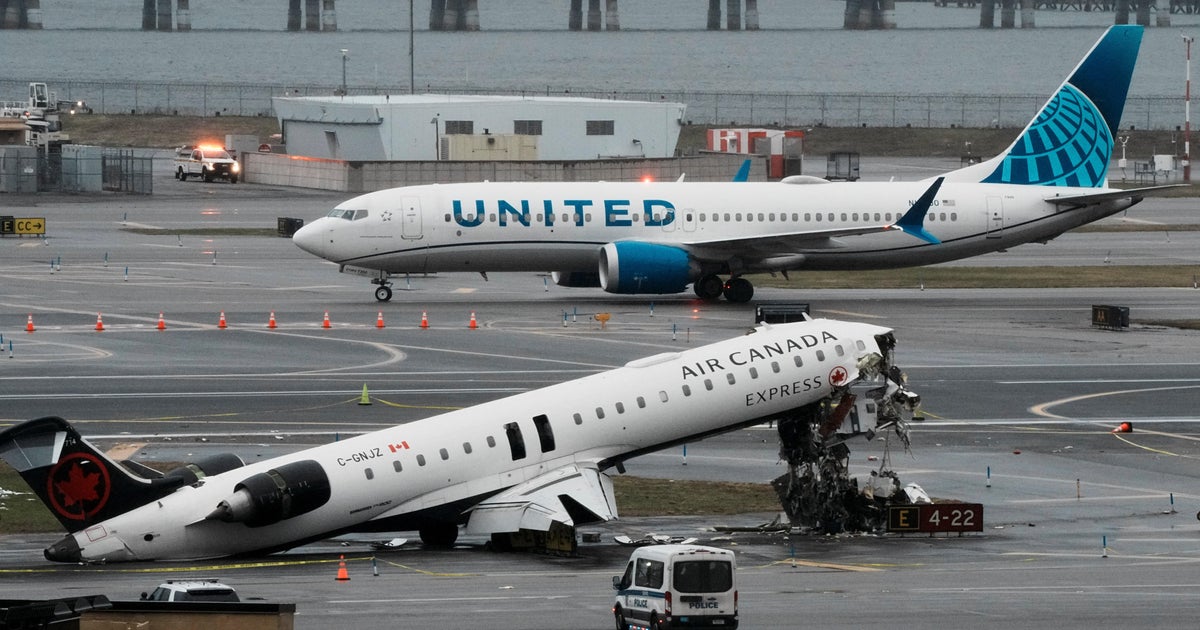
For nearly thirty years, aviation professionals have been sounding alarm bells about dangerous conditions at New York’s LaGuardia Airport, but their warnings largely went unheeded until tragedy struck this week. A comprehensive review by CBS News of publicly available safety databases has uncovered a disturbing pattern of close calls, communication breakdowns, and near-misses involving both aircraft and ground vehicles at one of America’s busiest airports. The reports, filed anonymously through NASA’s Aviation Safety Reporting System and the Federal Aviation Administration’s official database, paint a troubling picture of an airport where operations have been pushed to the breaking point. These aren’t just minor incidents or hypothetical concerns—they represent real situations where disaster was avoided sometimes by mere seconds or feet. The deadly collision between an Air Canada Express regional jet and a fire truck earlier this week appears to be not an isolated incident, but rather the tragic culmination of systemic problems that have been festering for decades. Pilots, air traffic controllers, and other aviation personnel have been filing reports describing everything from communication failures to malfunctioning safety equipment, yet the pace of operations at LaGuardia has only intensified over the years.
Controllers Pushed Beyond Safe Limits
One of the most alarming patterns emerging from these safety reports involves air traffic controllers being stretched dangerously thin, forced to handle multiple critical tasks simultaneously. Just last summer, an airline captain filed an urgent report describing how controllers failed to provide adequate guidance about a departing flight that crossed his runway mere seconds before landing. “Please do something,” the captain pleaded in the anonymous report, noting that the pace of operations at LaGuardia was becoming increasingly unsafe. The captain made a chilling comparison, writing that “on thunderstorm days, LGA is starting to feel like DCA did before the accident there”—referring to Ronald Reagan National Airport where an Army helicopter and a commercial flight collided in midair earlier that year, killing all 67 people aboard both aircraft. This comparison was not made lightly; it represented a frontline aviation professional drawing parallels between two dangerous situations, essentially predicting that LaGuardia could be heading toward a similar catastrophe if changes weren’t implemented immediately. The same captain also reported that a runway status light system designed to prevent runway incursions didn’t appear to be functioning properly—a critical safety failure that removes one of the technological barriers meant to prevent exactly the type of collision that occurred this week.
Ground Vehicles Creating Dangerous Situations
The involvement of ground vehicles in aviation safety incidents at LaGuardia is particularly concerning, given that this week’s fatal collision involved a fire truck on an active runway. CBS News identified at least 17 incidents since 2000 specifically involving maintenance vehicles, snow removal equipment, and other support vehicles being on runways when aircraft were operating. One particularly harrowing incident from 2001 involved an Airbus A320 that narrowly missed a snowplow while taking off from Runway 4—the exact same runway where this week’s deadly collision occurred. The pilot estimated his aircraft cleared the snowplow by only 50 to 75 feet, a margin of error so thin that it’s difficult to comprehend. As the plane was lifting off, the pilot spotted the snowplow’s flashing yellow lights and then noticed two additional vehicles on or near the runway. The pilot’s report specifically noted that the controller was simultaneously working both tower and ground traffic frequencies, suggesting that workload issues may have contributed to the dangerous situation. Another incident in September 2015 involved an Embraer 190 passenger jet beginning its takeoff roll while an airport vehicle crossed through the intersection of two runways. Air traffic control managed to stop the airliner’s takeoff, but the vehicles came within 1,300 feet of each other—close enough to be catastrophic at high speeds.
Near-Misses Between Aircraft
While ground vehicles present one category of danger, aircraft coming dangerously close to each other represents another persistent problem at LaGuardia. The FAA’s database identified at least 132 runway incursion incidents since 2000, with the NASA anonymous reporting system capturing at least 122 additional reports of ground conflicts and incursions. In July 2024, a first officer filed a report describing how their aircraft nearly collided with another plane that had just landed on Runway 22, after controllers cleared them to taxi across that same runway. “We were extremely close to the landing aircraft” when ground control finally issued a stop command, the first officer reported, adding that the command came “just in time”—language that suggests how close they came to disaster. These incidents aren’t always high-speed near-misses on runways; sometimes they occur at slower speeds but are no less concerning. In October, the National Transportation Safety Board began investigating a collision between two regional jets on a taxiway at LaGuardia, where the wing of one aircraft struck the cockpit of another plane. While this was a slow-speed collision that resulted in only one person being hospitalized, it demonstrates that even outside the high-risk environment of active runways, aircraft at LaGuardia are coming into dangerous contact with each other.
A Culture of Operational Pressure
Beyond the specific incidents, what emerges from these reports is a troubling picture of an airport where operational pressure and complexity have created an environment ripe for disaster. Several reports describe controllers issuing overly complicated taxi instructions to pilots who are still actively engaged in landing their aircraft—a time when flight crews need to focus on safely bringing their plane to a stop rather than memorizing complex routing instructions for navigating the airport. The pressure to maintain high operational tempo appears to be compromising safety margins that exist precisely to prevent accidents. One airline captain described LaGuardia as an airport where “the pace of operations is building” and “controllers are pushing the line”—professional language that translates to a situation where safety buffers are being eroded in the name of efficiency. This pressure manifests in various ways, from inadequate communication about aircraft movements to situations where ground vehicles operate with insufficient coordination with air traffic control. The reports suggest a systemic problem rather than isolated failures by individual pilots, controllers, or ground personnel.
Dangerous Encounters with Ground Equipment
Some of the most dramatic reports involve aircraft having to take emergency braking action to avoid colliding with ground vehicles, sometimes with serious consequences. In a 2016 incident, an airline captain described what he called “the worst example of airport vehicle driving I have seen in a 30 year aviation career,” when a fuel truck cut off his aircraft, forcing such aggressive braking that a flight attendant in the cabin fell and suffered a minor injury. The ground controller witnessed the incident and asked the flight crew if the truck had indeed cut them off, confirming that the dangerous situation was obvious even to air traffic control. In 2021, another pilot reported that a maintenance pickup truck failed to yield to his airliner as it was turning into the gate, forcing an “abrupt stop to avoid a collision.” These incidents reveal a fundamental coordination problem between airside vehicle operations and aircraft movements—two worlds that must operate in perfect harmony to maintain safety but appear to be increasingly out of sync at LaGuardia. When you consider that some of these vehicles, like the fire truck involved in this week’s fatal collision, are supposed to be operated by trained emergency personnel familiar with airport operations, the frequency of these dangerous encounters becomes even more concerning. The pattern that emerges from three decades of safety reports is clear: LaGuardia Airport has been an accident waiting to happen, and despite numerous warnings from aviation professionals at all levels, the systemic changes necessary to prevent tragedy were never fully implemented.