

Former Prince Andrew Arrested: A Royal Family in Crisis
Historic Arrest Shakes British Monarchy
In an unprecedented turn of events that has sent shockwaves through the British establishment, Andrew Mountbatten-Windsor, the man formerly known as Prince Andrew, found himself in police custody this week following explosive revelations linked to the Jeffrey Epstein scandal. The 66-year-old royal was arrested Thursday morning at his new residence on the Sandringham Estate in Norfolk, marking the first time in approximately four centuries that a senior member of the British royal family has been taken into police custody. The arrest came on suspicion of misconduct in public office, stemming from newly released documents that suggest he may have shared highly classified government information with the convicted sex offender Jeffrey Epstein during his time as Britain’s official trade representative. Thames Valley Police confirmed that Mountbatten-Windsor was held for questioning for nearly 12 hours before being released under investigation, allowing him to return home without restrictions while authorities continue their probe. The dramatic development represents another devastating blow to a royal family already struggling to maintain its public image amid numerous scandals and controversies in recent years.
The Evidence: Classified Information and Questionable Contacts
The heart of the investigation centers around a trove of documents released by the U.S. government that paint a troubling picture of the royal’s relationship with Epstein during the 2010-2011 period. According to these documents, Andrew allegedly shared sensitive and confidential information about his official government trips to Southeast Asia, as well as details about potential investment opportunities in Afghanistan, with Epstein and other contacts. This occurred during a time when Andrew held the prestigious position of special trade representative for the United Kingdom, a role that gave him access to classified government information and required him to maintain the highest standards of discretion and loyalty. Royal editor Roya Nikkhah of the Sunday Times explained to CBS News that the emails and documents suggest he transmitted “highly confidential, highly classified, very sensitive information” to Epstein, raising serious questions about potential breaches of national security and abuse of his official position. The allegations are particularly damaging because they involve the misuse of government secrets rather than just personal misconduct, elevating the matter from a private scandal to a potential threat to British interests and security.
Police Investigation Intensifies with Property Searches
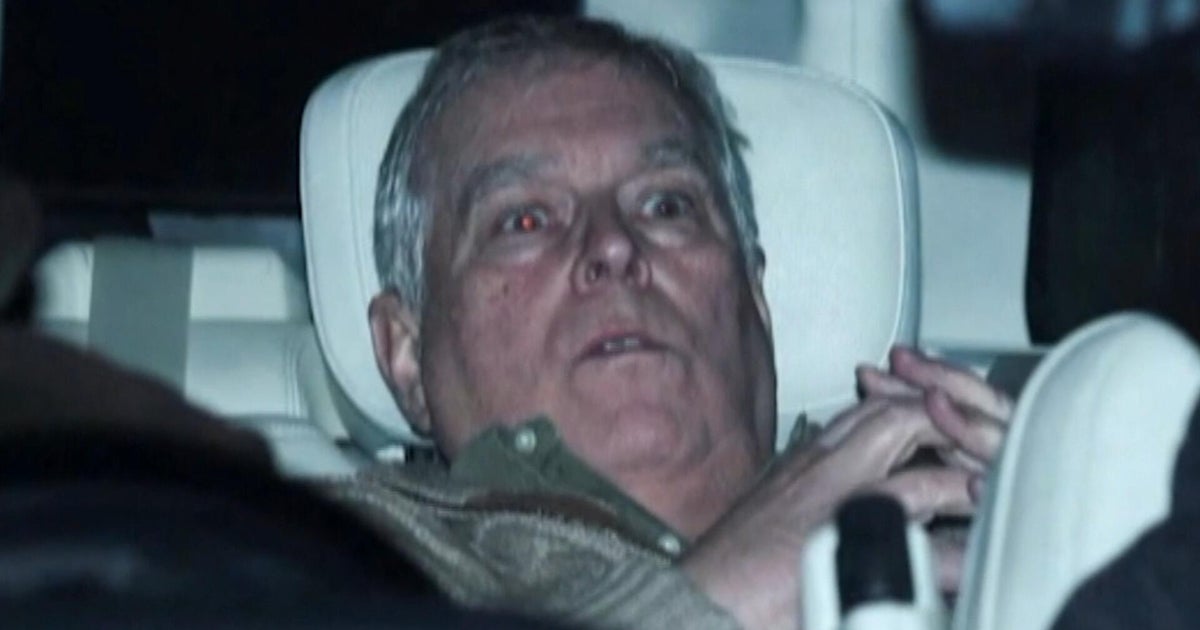
Following the arrest, law enforcement officials conducted extensive searches of multiple properties associated with Mountbatten-Windsor. On Thursday, police searched his current residence at the Sandringham Estate, completing that operation by the end of the day. However, on Friday, officers were observed conducting searches at the Royal Lodge in Windsor, the residence where Andrew had lived for many decades before being forced to relocate earlier in February. The fact that police felt it necessary to search both his former and current homes suggests they are conducting a thorough investigation and may be looking for additional evidence of wrongdoing. Photographs captured by Reuters showed a visibly surprised-looking Mountbatten-Windsor sitting in the back seat of a vehicle as he was driven home Thursday evening after his release. The royal remains free to move about without restrictions while under investigation, though authorities retain the right to re-arrest him for additional questioning at any time as their investigation progresses. The ongoing nature of these searches indicates that this case is far from concluded and may yet yield additional revelations.
King Charles Takes Distance as Royal Duties Continue
The arrest has placed King Charles III in an extraordinarily difficult position, forcing him to balance his duties as monarch with his relationship to his younger brother. In a brief but significant statement released Thursday, the King said simply that “the law must take its course,” a carefully worded response that signals he will not interfere with the investigation or attempt to shield his brother from legal consequences. This measured reaction represents part of a broader strategy by Charles to distance himself and the monarchy from Andrew’s mounting troubles. Just weeks before the arrest, the King had forced his brother to move from the prestigious Royal Lodge at Windsor to the more isolated Sandringham Estate, a decision made as allegations continued to pile up with each new release of Epstein-related documents. Despite the family turmoil, the royals maintained their public schedules on Thursday, projecting an image of calm professionalism. King Charles attended London’s Fashion Week while Queen Camilla went to a concert in Westminster. Meanwhile, Princess Anne, sister to both Charles and Andrew, carried out a pre-scheduled prison tour in Leeds, in northern England. This determination to carry on with official duties sends a message that the institution of the monarchy remains stable and functional despite the personal crisis affecting one of its members.
A Pattern of Denial and Mounting Evidence
Throughout the years of controversy surrounding his friendship with Jeffrey Epstein, Andrew Mountbatten-Windsor has consistently and repeatedly denied any wrongdoing. He has maintained this position even as evidence of his extensive connections to Epstein has continued to emerge, including photographs, flight logs, and witness testimony placing him in Epstein’s company on numerous occasions. However, the current arrest marks a significant escalation beyond previous allegations, which primarily focused on his documented encounters with young women connected to Epstein’s trafficking operation. Those allegations, while deeply damaging to his reputation and leading to his effective removal from public royal duties several years ago, did not result in criminal charges in the United Kingdom. The misconduct in public office investigation represents a different category of potential wrongdoing entirely, focusing on his alleged abuse of his official government position rather than personal moral failings. This shift may prove more difficult for him to defend against, as the evidence appears to come in the form of written communications and official records rather than witness testimony that could be more easily challenged or dismissed.
Serious Consequences Loom as Investigation Continues
The stakes in this investigation could not be higher for the disgraced royal. If ultimately charged and convicted of misconduct in public office, Mountbatten-Windsor could face a maximum sentence of life in prison, though actual sentencing would depend on the specific nature and severity of the proven offenses. The charge of misconduct in public office is one of the most serious in British law, reserved for cases where public officials abuse their positions of trust and authority. It reflects the principle that those who hold positions of power and access to sensitive information bear special responsibilities to the public and can face severe consequences when they betray that trust. As the investigation continues, authorities will likely be examining the full extent of what information was shared, with whom, whether any of it reached foreign governments or hostile actors, and what potential damage may have been done to British interests. The coming weeks and months will determine whether prosecutors believe they have sufficient evidence to bring formal charges, and whether a member of one of the world’s most famous families will face trial in a British courtroom. For now, Andrew Mountbatten-Windsor remains free but under the shadow of an investigation that has already made history and could yet result in his imprisonment.