

Don Lemon Speaks Out: A Controversial Arrest That Raises First Amendment Questions
The Dramatic Hotel Arrest
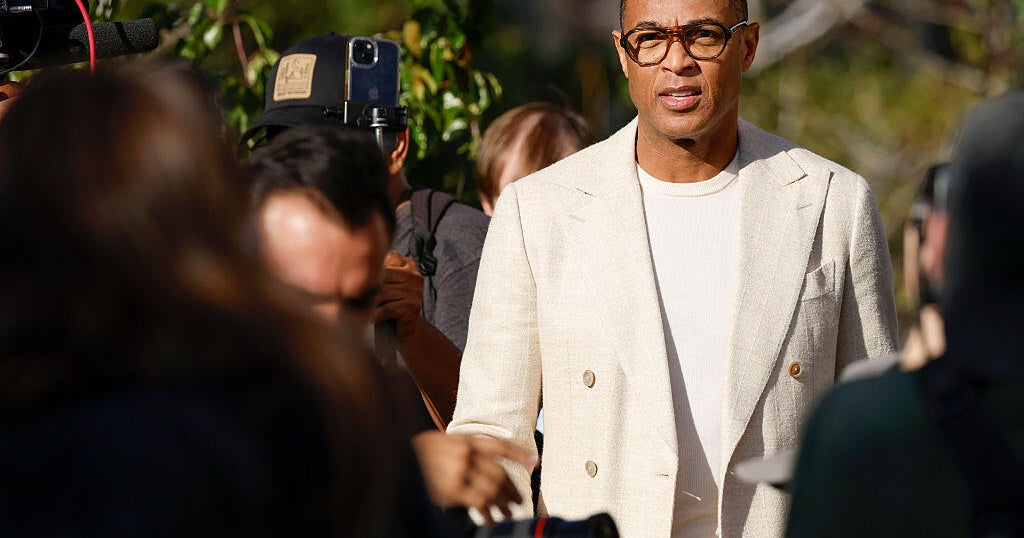
Former CNN journalist Don Lemon recently shared a startling account of his arrest that sounds more like a scene from a Hollywood thriller than the detention of a working journalist. Speaking candidly on “Jimmy Kimmel Live!” this past Monday, Lemon described how approximately a dozen federal agents swarmed him at his Los Angeles hotel last week. The incident occurred despite his attorney having already notified authorities that Lemon was willing to voluntarily surrender to face federal civil rights charges. These charges stem from his journalistic coverage of an anti-immigration enforcement protest that took place at a Minnesota church.
The arrest itself was jarring and unexpected. Lemon recounted to Kimmel how he was simply walking up to his hotel room and pressed the elevator button when suddenly he felt himself being jostled. Before he could comprehend what was happening, people were grabbing him and attempting to put him in handcuffs. The confusion and chaos of the moment was evident in his telling. When he asked the agents to identify themselves, they did so, but when he requested to see a warrant—a fundamental right during an arrest—he was told they didn’t have one on hand. The situation became even more unusual when the agents had to summon an FBI agent from outside the building just to show Lemon the arrest warrant on a cell phone. This entire scenario, Lemon argued, represented a tremendous waste of law enforcement resources, especially considering he had already agreed to turn himself in peacefully.
The Charges and Their Context
The legal troubles facing Don Lemon center around events that occurred on January 18th at Cities Church in St. Paul, Minnesota. A grand jury in that state indicted Lemon, along with another independent journalist named Georgia Fort and several others, on serious charges including conspiracy and interfering with the First Amendment rights of worshippers. The protest in question targeted the church partly because a U.S. Immigration and Customs Enforcement (ICE) official serves as its pastor, making it a symbolic location for activists opposed to immigration enforcement policies.
However, Lemon has maintained a clear distinction between his role and that of the protesters. Despite being fired from CNN in 2023 following what was described as a bumpy tenure as a morning show host, Lemon has continued working as an independent journalist. He emphasized both to reporters after his release and to Kimmel’s audience that he had no affiliation whatsoever with the group that disrupted the Sunday service by entering the church. “I went there to be a journalist,” Lemon explained clearly. “I went there to chronicle and document and record what was happening. I was following that one group around, and so that’s what I did. I reported on them.” This distinction between observing and participating in a protest is crucial to understanding why Lemon and his supporters view these charges as an attack on press freedom rather than legitimate prosecution of unlawful behavior.
A Night in Federal Custody
The hours following Lemon’s arrest paint a picture of isolation and bureaucratic indifference that he found deeply troubling. When he asked the arresting officers if he could make a phone call—a request most Americans would consider a basic right—he was flatly told no and informed he could speak with his attorney the next day. Desperate to notify someone of his situation, Lemon attempted to use Siri on his Apple Watch to call both his husband and his attorney, but unfortunately, neither answered.
Adding an almost surreal detail to an already bizarre situation, Lemon mentioned that a diamond bracelet he was wearing kept catching on his handcuffs, causing him pain. When the agents offered to remove it, Lemon asked if they would mind taking the bracelet up to his husband in his hotel room. Remarkably, they agreed to this request. “And that’s how my husband found out,” Lemon revealed. “Otherwise, no one would have known where I was.” This small act of kindness from the agents stands in stark contrast to the denial of a phone call and highlights the irregular nature of the entire arrest. Following the initial processing, Lemon was kept in a holding room at the federal courthouse from midnight until 1 p.m. the following day—over thirteen hours of detention before seeing a judge who would order his release.
The First Amendment Fight Ahead
Don Lemon’s legal team has made it abundantly clear that they view these charges as nothing less than an assault on the freedom of the press. Abbe Lowell, Lemon’s high-profile attorney, issued a forceful statement after the arrest, calling it “an unprecedented attack on the First Amendment and transparent attempt to distract attention from the many crises facing this administration.” Lowell promised that Lemon would “fight these charges vigorously and thoroughly in court.” Lemon himself has planned to plead not guilty to all charges, and when he emerged from the courthouse after his initial appearance, he declared to assembled reporters, “I will not be silenced.”
The case raises profound questions about where the line exists between journalism and participation in events that journalists are covering. Throughout history, reporters have documented protests, riots, and civil disturbances, often placing themselves in close proximity to illegal activity in order to capture the story. The question at the heart of Lemon’s case is whether his presence at and coverage of the church protest constitutes criminal conspiracy and interference with others’ rights, or whether it represents protected journalistic activity. The resolution of this case could have significant implications for how journalists operate when covering controversial protests and demonstrations in the future. If reporters can face federal charges simply for being present and documenting events, it could have a chilling effect on coverage of politically sensitive stories.
Kimmel’s Platform and the Broader Context
The fact that Jimmy Kimmel gave Don Lemon his first guest spot of the night wasn’t coincidental. Kimmel himself has become something of a symbol in the fight against what many perceive as government censorship of media voices. Just last year, ABC suspended “Jimmy Kimmel Live!” following remarks Kimmel made after the assassination of conservative activist Charlie Kirk. The suspension came amid pressure from Federal Communications Commission Chairman Brendan Carr, who had actively pushed broadcasters to remove Kimmel from the air.
The public response to Kimmel’s suspension was swift and fierce. A widespread outcry from viewers, media advocates, and First Amendment defenders led ABC to lift the suspension relatively quickly. When Kimmel returned to the air, his ratings were actually stronger than before the controversy, suggesting that the attempt to silence him had backfired. In Congress, Democratic senators raised serious concerns that Carr’s actions had violated the First Amendment’s protections for free speech and press freedom. Given this recent history, Kimmel introducing Lemon by saying he “was arrested for committing journalism” carried particular weight and signaled solidarity between media figures who feel increasingly under threat. Neither the Department of Justice nor the FBI responded to requests for comment on Lemon’s version of events or the circumstances of his arrest, leaving many questions unanswered about the government’s perspective on these charges.
What This Means for Press Freedom
The arrest and charging of Don Lemon represents more than just one journalist’s legal troubles—it’s become a flashpoint in ongoing debates about the role of the press, the limits of free speech, and how the government treats media figures who cover controversial topics. The heavy-handed nature of his arrest, with a dozen agents apprehending someone who had already agreed to surrender, sends a message that critics say is meant to intimidate. The charges themselves, which accuse Lemon not of assault or property damage but of conspiracy and interfering with others’ constitutional rights, strike many observers as unusually aggressive for someone who maintains he was simply doing his job as a journalist.
As this case moves forward through the courts, it will be watched closely by media organizations, civil liberties advocates, and journalists across the country. The outcome could either reaffirm strong protections for journalists covering protests and controversial events, or it could establish precedents that make reporters think twice before documenting civil disobedience and activism. Lemon’s declaration that he will not be silenced has resonated with many who see his prosecution as part of a broader pattern of government hostility toward independent media voices. Whether his legal fight will succeed remains to be seen, but his willingness to speak out publicly about his experience, even while facing serious federal charges, demonstrates a commitment to the principles of press freedom that will likely inspire others in the journalism community, regardless of their political perspectives.