


Rep. Nancy Mace Faces Backlash Over Alcohol Use Denial
Congresswoman Denies Excessive Drinking Claims Citing Medical Condition
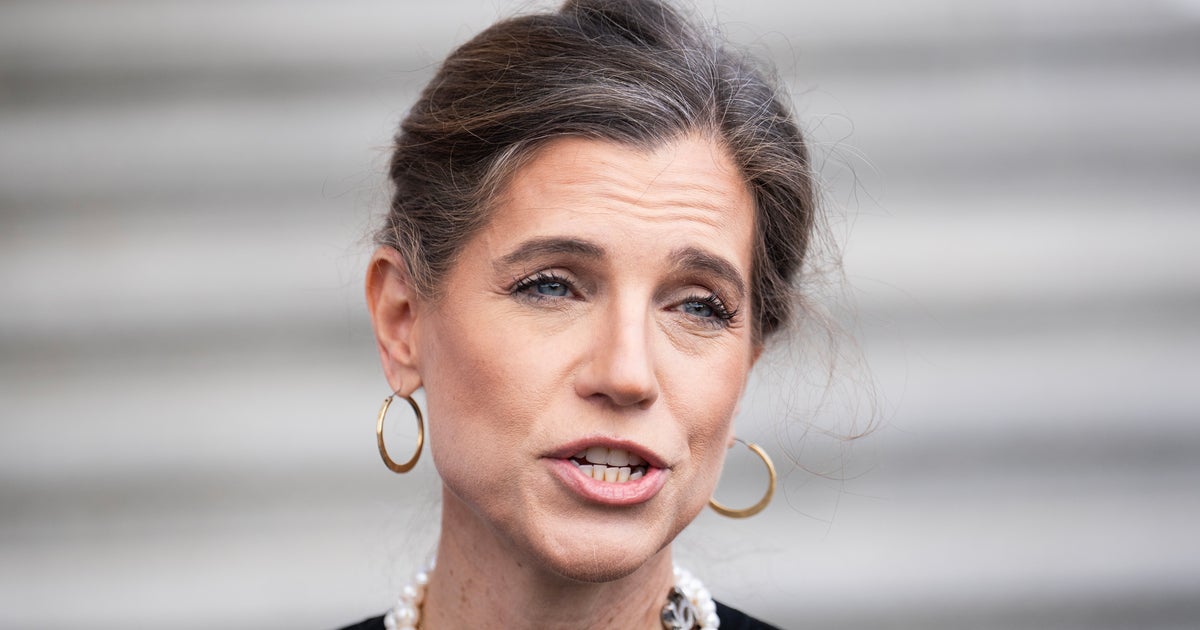
South Carolina Representative Nancy Mace found herself at the center of controversy this week after publicly denying allegations of excessive alcohol consumption, only to be contradicted by a former member of her congressional staff. The dispute erupted following a Monday profile in New York Magazine that painted an unflattering picture of Mace’s behavior during her first term in Congress. According to the report, multiple former employees alleged that the Republican congresswoman regularly dispatched her staff members on late-night runs to purchase alcohol from liquor stores. The accusations struck a nerve with Mace, who took to social media to vehemently defend herself and her lifestyle choices, setting off a chain of events that would draw even more attention to her personal conduct.
In her response to the magazine profile, Mace presented what she described as a medical explanation for why the allegations couldn’t possibly be true. She posted on X (formerly Twitter) with a photo showing her holding a mug labeled “Not Tequila,” and criticized the press for failing to verify facts before publishing what she characterized as lies. The congresswoman revealed that she has hemochromatosis, which she described as a “lifelong genetic affliction” that prevents her from consuming significant amounts of alcohol. This hereditary disorder causes the body to absorb and store excessive amounts of iron, which can accumulate in vital organs including the liver, heart, pancreas, skin, pituitary gland, and joints. According to medical experts at the Centers for Disease Control and Prevention, this condition can lead to serious health complications if left untreated, and people with hemochromatosis are often advised to limit or avoid alcohol consumption entirely.
Former Staffer Publicly Challenges Mace’s Account
The situation escalated when Natalie Johnson, who served as Mace’s communications director from January 2021 to August 2021, publicly disputed her former boss’s claims. Johnson didn’t mince words in her response, calling Mace’s assertion that she doesn’t drink alcohol “the funniest, most brazen lie she’s told to date.” The former staffer provided specific details about what she witnessed during her time working for the congresswoman, alleging that Mace consumed alcohol so frequently that she would send interns and junior staff members to Congressional Liquor during regular working hours. According to Johnson, these alcohol runs were sometimes timed so that Mace could drink during telephone town halls with constituents. The explosive nature of these claims, coming from someone who worked closely with the representative, added significant credibility to the original allegations and cast doubt on Mace’s medical defense.
Johnson didn’t stop at written accusations. She backed up her statements by sharing multiple photographs on social media showing Mace appearing to hold various alcoholic beverages. In a particularly pointed move, she captioned one collection of these images with a simple “Cheers!” Perhaps most damaging to Mace’s defense was Johnson’s decision to reshare one of Mace’s own recent social media posts from February 18, 2025, in which the congresswoman celebrated “National Drink Wine Day” with a photo of herself smiling and holding what appeared to be a glass of red wine. This evidence seemed to contradict Mace’s claims about her inability to consume alcohol due to her medical condition, raising questions about the consistency of her statements and whether she was being truthful about the extent of her drinking.
Medical Condition Versus Public Behavior Questions
In a video statement posted on social media, Mace attempted to clarify her position, accusing “fake news” outlets of spreading lies about alcohol abuse. She acknowledged that while she isn’t “supposed” to drink alcohol because of her condition, she does partake “socially, occasionally.” The congresswoman explained that excessive alcohol consumption could cause various diseases in her organs, potentially lead to cancer, and ultimately shorten her lifespan due to her hemochromatosis. However, this admission that she does drink socially, even if occasionally, seemed to muddy the waters of her initial defense. Critics noted that there appeared to be a significant gap between claiming she physically cannot drink much alcohol and admitting that she does drink socially while celebrating wine-related holidays on social media. The contradiction left many observers questioning exactly what Mace was denying—was it excessive drinking, all drinking, or just the specific incidents described by former staffers?
The medical condition Mace cited, hemochromatosis, is indeed a serious health concern that affects how the body processes iron. People with this genetic disorder are typically advised to avoid alcohol because it can accelerate liver damage and exacerbate the iron buildup in their organs. The fact that Mace has this condition makes her admission of social drinking somewhat concerning from a health perspective, though the frequency and quantity would determine the actual risk. Medical professionals generally recommend that individuals with hemochromatosis either abstain from alcohol completely or limit consumption to very small amounts. The conflicting messages in Mace’s defense—simultaneously claiming she can’t drink much due to her condition while acknowledging social drinking and celebrating wine holidays—created confusion about her actual drinking habits and whether the former staffers’ allegations held merit.
Political Implications and Ongoing Ethics Investigation
The timing of these revelations is particularly significant given that Mace is currently mounting a campaign to become Governor of South Carolina, a position that would elevate her political profile considerably. Adding to her troubles, the House Ethics Committee announced in January 2025 that it has launched an investigation into allegations against the congresswoman, though the specific nature of those allegations hasn’t been fully disclosed to the public. The committee has indicated it will announce its “course of action” regarding the investigation on or before March 2, creating a deadline that looms over Mace’s political future. As she pursues higher office, these questions about her personal conduct and truthfulness could significantly impact her gubernatorial campaign. Voters typically expect transparency and honesty from their elected officials, and the apparent contradictions between Mace’s statements, her social media posts, and the testimony of former staff members could erode public trust at a critical moment in her political career. The congresswoman’s office has remained silent in response to requests for comment from media outlets like HuffPost, which some interpret as an attempt to let the controversy die down rather than engaging in further explanations that might create additional inconsistencies. As this story continues to develop, Representative Mace faces the challenge of reconciling her public statements with the evidence presented by former staffers while managing both an ethics investigation and a gubernatorial campaign in her home state.